
- What Kind of Fruit Is a Plum? - Understanding “Climacteric Fruit”
- Do Plums Ripen After Picking — Or Does It Depend?
- If Picked While Firm: How to Make Plums Ripen at Home?
- What Ripening — and Post-Harvest Changes — You Should (and Shouldn’t) Expect?
- Should You Pick Plums Early or Wait for Full Ripeness?
- How Can You Tell If a Plum Is Ripe?
- What are the Practical Tips for UK Gardeners or Shoppers?
- Summary: What to Expect When You Pick Plums?
- Conclusion
Plums are among the most delightful stone fruits you can enjoy fresh, preserve in jams, or bake into delicious tarts.
But what happens if you pick them before they’re fully ripe? Do plums ripen after picking? If you’ve ever asked this question after buying slightly firm plums or harvesting your own crop, you’re not alone.
This guide gives you clear answers and practical advice to help you handle plums the right way—whether you’re a gardener, a market shopper, or just someone who loves good fruit.
What Kind of Fruit Is a Plum? – Understanding “Climacteric Fruit”
Before diving into whether plums ripen after harvesting, it’s helpful to understand the science behind fruit ripening.
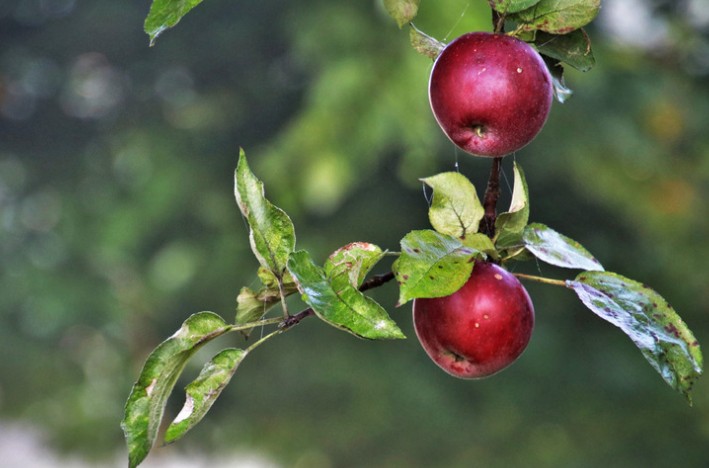
Plums are what botanists call climacteric fruits, which means they can continue ripening after being picked. These fruits produce ethylene gas—a natural plant hormone—that drives the ripening process.
Other common climacteric fruits include:
- Bananas
- Apples
- Mangoes
- Peaches
So yes—plums ripen after picking, but the degree of ripening depends on how mature they were when harvested.
Do Plums Ripen After Picking — Or Does It Depend?
While most plums will continue to soften and develop more flavour after being picked, the outcome depends on the variety and the stage at which they were harvested.
Some types, especially European plums like Victoria or Damson, ripen beautifully off the tree if picked when nearly mature.
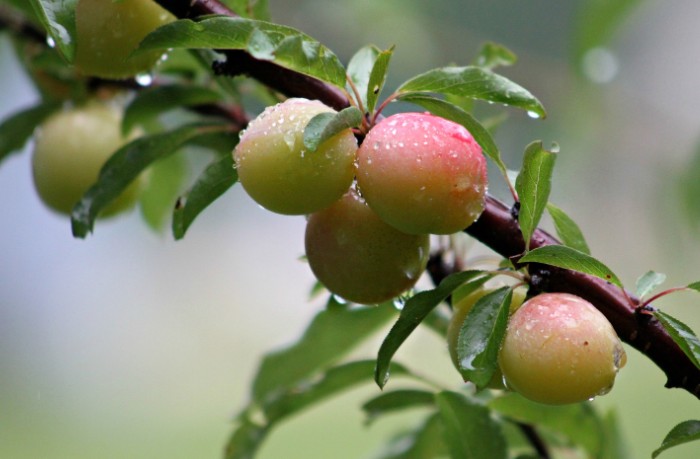
However, if the plum was picked too early—before natural sugars developed—it may ripen in texture but remain bland or sour in taste. You should always aim to pick when the fruit shows early signs of ripeness:
- A change in colour appropriate for the variety
- Slight softness when gently squeezed
- A natural fragrance around the stem
- Easy detachment from the tree
If Picked While Firm: How to Make Plums Ripen at Home?
Picked your plums a bit early? No worries—there are simple ways to encourage ripening at home.
What are the proven ripening methods?
- Room Temperature Storage: Place plums on a countertop or in a fruit bowl. Within 2–5 days, they should soften and ripen naturally.
- Paper Bag Method: Put your plums in a brown paper bag. The enclosed space traps ethylene gas and speeds up ripening.
- Add an Ethylene Buddy: Add a banana or apple to the bag to boost ethylene concentration and make ripening faster.
What are the Signs that your plums are ripe?
- Yield to gentle pressure
- Colour deepens and skin may develop a light “bloom”
- Aroma becomes sweet and fruity
Once ripe, either enjoy them immediately or store in the fridge to slow further ripening.

What Ripening — and Post-Harvest Changes — You Should (and Shouldn’t) Expect?
After picking, plums continue to ripen, but not all aspects of ripeness are guaranteed. Let’s break it down.
| Aspect | What Happens After Picking |
| Softness | Yes – plums soften significantly after harvest |
| Colour Change | Yes – skin may darken or brighten depending on variety |
| Sweetness Increase | Limited – some sugars may increase, but not dramatically |
| Juiciness | Often improves as the flesh softens |
| Flavour Development | Improves if fruit was already maturing on the tree |
Note: If the plum was picked when completely green or immature, it may soften but still taste sour or astringent. That’s because sugar accumulation mostly happens while the fruit is still attached to the tree.
Should You Pick Plums Early or Wait for Full Ripeness?
Sometimes you’re faced with the choice: pick your plums slightly under-ripe or risk letting them overripen and fall.
Here’s a quick breakdown:
What are the Advantages of Early Picking?
- Reduces waste from fruit falling or bruising
- Easier to transport and store
- Allows control over the ripening process at home
What are the Disadvantages of Early Picking?
- Flavour may not be as rich
- Less natural sugar, especially if picked too green
- Texture could turn mushy without the sweetness to balance it
For best results, pick when plums are just about ripe—they should be slightly soft and colourful but not overripe.
How Can You Tell If a Plum Is Ripe?
Here’s a quick checklist for checking plum ripeness—whether on the tree or in your kitchen.
Ripeness Indicators:
- Soft but not squishy texture
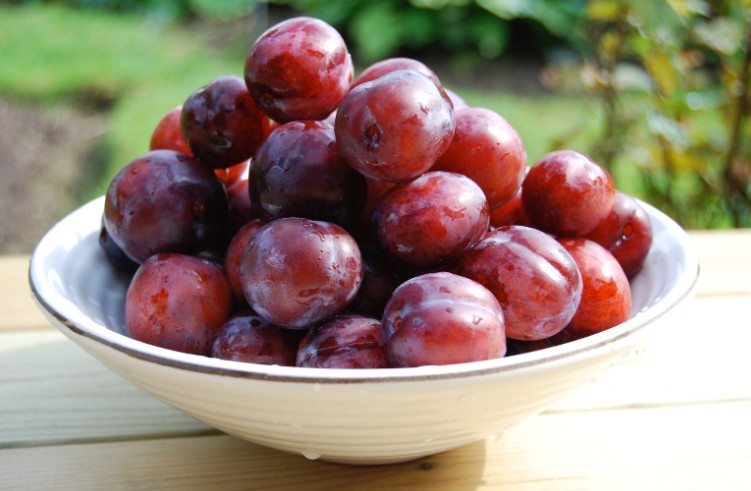
- Deep, rich colour (varies by type – e.g., purple, yellow, red)
- Fragrant smell from the stem or skin
- Slight give when you gently press the surface
If your plum ticks most of these boxes, it’s ready to eat.
What are the Practical Tips for UK Gardeners or Shoppers?
If you’re growing or buying plums in the UK, your approach may vary slightly depending on weather and storage options.
How is For Home Gardeners?
- Pick in the morning when fruit is cool and firm
- Don’t harvest all at once—plums ripen gradually over weeks
- Check daily during peak season (July to early September)
- Handle gently to avoid bruises, especially if you plan to ripen them further indoors
How is For Shoppers?
- Choose plums that are firm but not rock hard
- Avoid any with greenish tints or dry skins
- Let them ripen in a paper bag or on your kitchen counter
- Once ripe, store in the fridge for up to 3–5 days
Summary: What to Expect When You Pick Plums?
Yes—plums ripen after picking, thanks to their climacteric nature. But what you get depends on how mature they were when picked.
- Slightly firm, coloured plums with good aroma? Great for ripening at home.
- Hard, green, immature plums? May soften but won’t sweeten much.
Your goal should always be to harvest or buy plums when they’re close to ripe, then give them time to finish the process in a controlled setting.
Conclusion
To answer your question once and for all: do plums ripen after picking? Yes, it do—but only if they’re picked at the right time.
As someone in the UK dealing with unpredictable summers and delicate fruit, your best bet is to look for signs of maturity before harvesting or buying.
Use simple at-home ripening techniques like paper bags or countertop storage, and don’t refrigerate plums until they’ve ripened. That way, you get the best texture and flavour—just like nature intended.
Related Article: When Are Plums Ready to Pick in the UK? A Seasonal Guide from My Orchard
0 Comments