
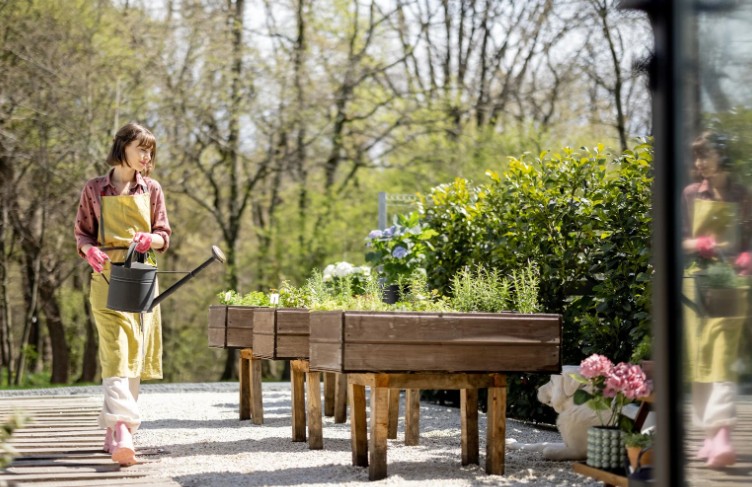
- Why Do Small Gardens Feel Smaller Than They Are?
- How Can Garden Layout Make a Space Feel Bigger?
- How Do You Make Boundaries Disappear?
- How Can Plants Help Expand the Feeling of Space?
- What are the Layer Your Plants for Depth?
- What Lighting and Colours Help Open Up a Garden?
- Can Furniture and Storage Make or Break a Small Garden?
- What are the Tips I Followed?
- What Should You Avoid If You Want to Make a Garden Look Bigger?
- What are my Step-by-Step Plan to Transform a Small Garden?
- What are the Budget-Friendly Ideas That Worked for Me?
- Conclusion: Small Garden, Big Ideas
- Frequently Asked Questions On How to Make a Small Garden Look Bigger
Creating a sense of space in a small garden isn’t just a dream — it’s completely achievable. When I started redesigning my compact outdoor area, I was surprised at how a few simple adjustments dramatically changed how spacious it felt.
Whether you’re dealing with a narrow yard, a tiny courtyard or a modest city garden, let me guide you through how to make a small garden look bigger — using clever layout, smart planting, and thoughtful design.
Why Do Small Gardens Feel Smaller Than They Are?
It might surprise you, but it’s not the actual size of the garden that makes it feel cramped — it’s how it’s designed.
Many small gardens suffer from:
- Cluttered layouts
- Too many items competing for attention
- Flat, low planting without height variation
- Overuse of boundaries (fences, walls) that feel enclosing
Once I started noticing these, I realised that a little rearrangement and a few design tricks could give my garden the openness it desperately needed. It’s all about visual perception, guiding the eye, and maximising depth.
How Can Garden Layout Make a Space Feel Bigger?
How to Use Paths, Curves and Levels to Draw the Eye?
Straight lines can make a garden feel like a tight corridor. I added a curved pathway that gently leads from the patio to the back of the garden. It creates the illusion of distance. Introducing subtle level changes (like a raised bed or a sunken seating area) can also add dimension and interest.
How to Choose the Right Shapes and Paving Patterns?
Large paving slabs, laid diagonally or in a herringbone pattern, make the space feel broader. Circular shapes and flowing lines trick the eye into thinking the space continues beyond what’s visible.
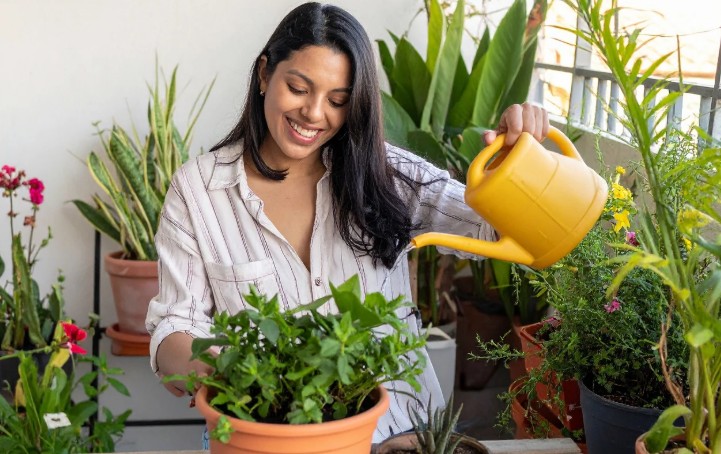
How Do You Make Boundaries Disappear?
Soften the Edges
Solid fences scream “this is the end.” So I painted mine in a muted, consistent colour and added climbing plants to blur the lines. This gave the illusion that the garden stretched beyond its limits.
Borrow the Landscape Beyond
If your garden backs onto greenery or open space, don’t block it. Keep the boundary low or open with trellises and allow your eyes to “borrow” the view beyond, expanding the sense of space.
How Can Plants Help Expand the Feeling of Space?
Grow Upwards: Think Vertical
Instead of cluttering the floor with pots, I began growing plants up walls and fences using:
- Wall planters
- Hanging baskets
- Climbing roses and clematis
- Obelisks and tall supports
This freed up floor space while adding visual interest above eye level, drawing attention upwards.
What are the Layer Your Plants for Depth?
Planting in tiers — from low ground covers at the front to medium shrubs in the middle, and tall climbers or trees at the back — makes your garden feel like it stretches deeper than it is.
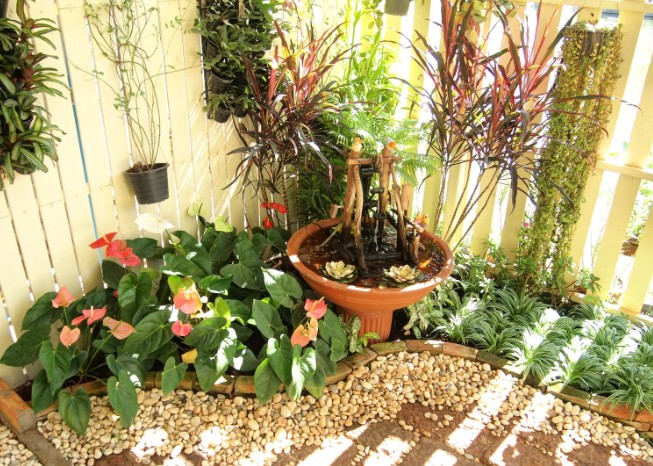
What Lighting and Colours Help Open Up a Garden?
Lighting can totally transform a small space at night. I used soft uplights on taller plants and fences to add dimension after dark. During the day, colour plays a huge role.
Here’s a quick comparison of how different choices affect visual perception:
| Element | Expands Space? | Shrinks Space? |
| Cool-toned paint (greys, greens) | Yes | No |
| Uniform boundary colour | Yes | No |
| Heavy, dark furniture | No | Yes |
| Mirrors in shaded areas | Yes | No (if poorly placed) |
One of my best decisions was to add a mirror against the back fence. It reflected the greenery and light, making the garden feel almost twice as big.
Can Furniture and Storage Make or Break a Small Garden?
Absolutely. The right furniture keeps your garden functional without sacrificing space.
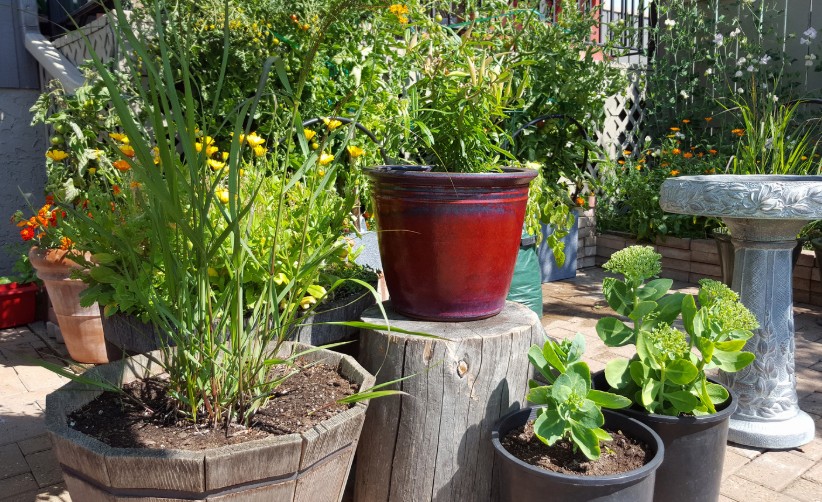
What are the Tips I Followed?
- Used a foldable bistro set instead of bulky seating
- Opted for a bench with hidden storage for tools and cushions
- Positioned furniture at the garden’s edge, not the centre
- Chose transparent or wire furniture that “visually disappears”
Creating functional zones — even in a small space — is powerful. I now have a small seating nook, a mini herb garden, and a decorative pathway. Each zone has a purpose, making the garden feel curated rather than cramped.
What Should You Avoid If You Want to Make a Garden Look Bigger?
From my own trial and error, here are the mistakes that made my garden feel smaller than it actually was:
- Too many pots and decorations competing for attention
- Lack of cohesion in furniture, materials, or fence colour
- Ignoring height and sticking only to low-level planting
- Letting clutter build up — pruning and tidying regularly is vital
- Blocking sightlines with tall or wide objects in the middle of the space
What are my Step-by-Step Plan to Transform a Small Garden?
Here’s the process I followed to make my small garden feel much bigger:
- Declutter – Cleared unused pots, broken tools, unnecessary décor
- Sketch a Layout – Decided on paths, planting areas, and seating zones
- Vertical Focus – Installed trellises and planted climbers
- Create Layers – Grouped plants by height to add visual depth
- Mirror Magic – Installed a mirror to reflect space and light
- Furniture Choices – Opted for foldable, dual-purpose pieces
- Regular Maintenance – Pruned plants, repainted fences, refreshed layout seasonally
What are the Budget-Friendly Ideas That Worked for Me?
If you’re working with a tight budget, here are some realistic and affordable tips:
- Repurpose old pallets into vertical planters
- Use climbing plants instead of expensive trees
- Buy pre-owned garden furniture or storage benches
- Paint fences and pots with light, neutral tones to reflect light
- Choose gravel or stepping stones over full paving to save on materials

Conclusion: Small Garden, Big Ideas
Transforming a compact space into something that feels open and inviting isn’t about adding square footage — it’s about smart design choices.
I discovered that with the right layout, planting strategy, and a few optical tricks, my once-cramped garden now feels like a peaceful retreat.
So if you’re wondering how to make a small garden look bigger, start with a vision — and take it one step at a time. With some planning and creativity, your garden can look (and feel) much bigger than it is.
Frequently Asked Questions On How to Make a Small Garden Look Bigger
1. How do mirrors help in a small garden?
Mirrors reflect light and greenery, creating a sense of space. When placed carefully (out of direct sunlight and not facing clutter), they can double the visual depth of a garden.
2. What colours make a small garden look bigger?
Cool tones like soft greys, greens and blues help create the illusion of distance. Avoid strong, dark colours that can make the space feel enclosed.
3. Can I use big plants in a small garden?
Yes — in fact, tall, slender plants can add height without overwhelming the floor space. Just ensure they’re positioned at the back or along the sides.
4. How do I zone a small garden?
Break up your garden into purposeful sections — such as a seating corner, planting area, and pathway. This helps create interest and the feeling of multiple “rooms” outdoors.
0 Comments