
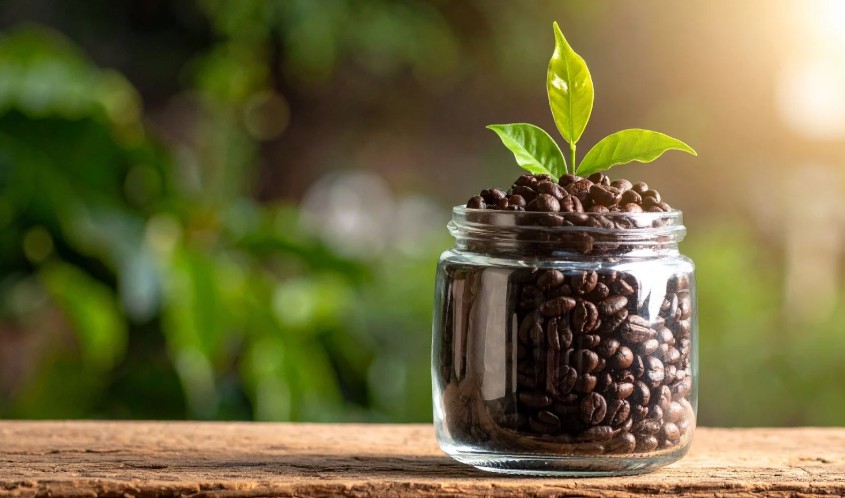
If you’re a home gardener looking for ways to recycle kitchen waste and enrich your soil, you’ve likely wondered: what plants like coffee grounds?
The idea of using your leftover coffee to nourish plants is popular—but it’s not always clear which plants benefit and how to apply it correctly.
This expert guide explains everything you need to know about using coffee grounds in your UK garden, including which plants love them, how to apply them safely, and when to avoid them altogether.
Can Coffee Grounds Help Your Plants? – A Quick Look
What Nutrients Do Coffee Grounds Add to Your Soil?
Used coffee grounds contain several nutrients beneficial to plant growth, including:
- Nitrogen (a key nutrient for leafy growth)
- Phosphorus and potassium (important for root development and flowering)
- Micronutrients like calcium, magnesium, and copper
They’re also rich in organic matter, which improves soil structure and water retention.
Although commonly believed to be highly acidic, most used coffee grounds are actually close to neutral (pH 6.5–6.8) once brewed, making them safe for many plants when used properly.
How Should You Use Coffee Grounds Safely in the Garden?
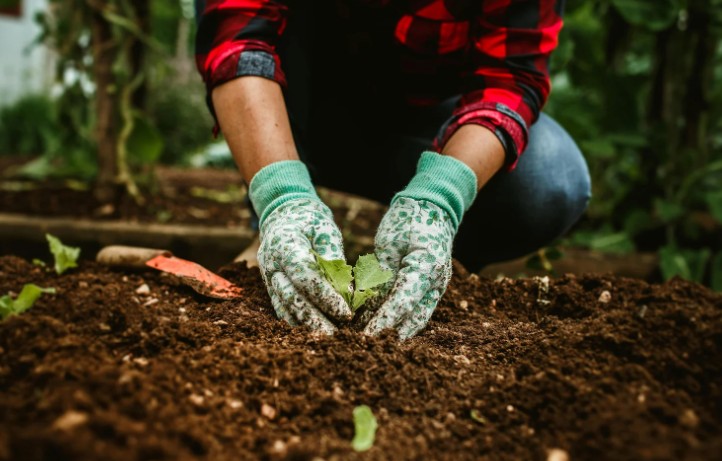
It’s essential to use coffee grounds in moderation to avoid problems like soil compaction or mould growth. Here are two safe ways to use them:
- Add to compost: Coffee grounds are considered a “green” compost material, rich in nitrogen. Balance them using the “browns” like dried leaves/cardboard.
- Mix into soil lightly: If applying directly, scatter a thin layer and mix it well into the topsoil. Avoid letting it clump or form a crust, which can block water and air.
Used correctly, coffee grounds can give your soil a gentle nutrient boost while cutting down on waste.
What Plants Like Coffee Grounds & Why?
Which Garden Plants Thrive in Acidic Soil with Coffee Grounds?
Some plants naturally prefer slightly acidic soil, and these are the ones most likely to benefit from coffee grounds:
- Hydrangeas – The aluminium in the soil becomes more available in acidic conditions, helping hydrangeas produce vibrant blue flowers.
- Azaleas and Rhododendrons – These woodland plants thrive in acidic, organic-rich soils, much like coffee grounds help create.
- Camellias – Also lovers of acidic soil, these glossy-leaved evergreens respond well to the nutrients found in coffee grounds.
Using grounds as mulch or mixing lightly into the soil around these shrubs can support stronger blooms and healthier foliage.
Which Vegetables Grow Better with Coffee Grounds?
Coffee grounds can be beneficial to certain leafy greens and fast-growing vegetables due to their nitrogen content:
- Spinach
- Lettuce
- Kale
- Swiss chard
These crops benefit from the nutrient-rich boost provided by composted coffee grounds. Avoid using coffee grounds directly on tender seedlings; instead, incorporate them into compost and use the matured compost to feed your veg beds.
Can You Use Coffee Grounds on Houseplants?
Yes, but caution is key. Some indoor plants can benefit when small amounts of coffee grounds are mixed into their potting mix:
- Peace lilies
- Pothos
- Spider plants
Only use a teaspoon or two per month, mixed well into the topsoil. Avoid piling grounds on the surface where they can develop mould or attract pests.
What Plants Don’t Like Coffee Grounds?
Which Plants Should You Avoid Using Coffee Grounds On?
Not every plant is a fan of coffee. These plants either dislike acidity or don’t tolerate the moisture-retaining nature of coffee grounds:
- Succulents and cacti – These prefer dry, sandy soil and are easily harmed by the moisture-retaining texture of coffee grounds.
- Lavender and rosemary – Mediterranean herbs that prefer alkaline, well-drained soils.
- Tomatoes – Sensitive to high nitrogen levels and potentially stunted by coffee application.
- Seedlings – Studies suggest coffee grounds can inhibit seed germination, likely due to caffeine content or texture.
Always research the soil preferences of your plants before applying any amendments.
🧪 What Are the Best Practices for Using Coffee Grounds in Your Garden?
How Much Coffee Grounds Should You Add to Compost?
For composting, coffee grounds are a fantastic nitrogen-rich “green” material, but should be balanced with dry, carbon-rich materials:
| Compost Ingredient | Type | Purpose |
| Coffee Grounds | Green | Adds nitrogen |
| Dried Leaves | Brown | Balances moisture |
| Shredded Paper | Brown | Adds structure |
| Fruit/Vegetable Scraps | Green | Boosts microbial activity |
Ideal ratio: No more than 20% coffee grounds in your compost mix.

What’s the Proper Way to Apply Coffee Grounds to Soil?
To safely apply coffee grounds directly to your garden:
- Use a thin layer (less than 0.5 cm) and mix it into the topsoil
- Water after applying to help nutrients settle
- Avoid placing directly around plant stems or on seeds
For best results, pair with other organic matter like leaf mould or aged compost to prevent clumping and nutrient imbalance.
Conclusion
Coffee grounds are a powerful, sustainable addition to your UK garden when used wisely. Acid-loving plants like hydrangeas, azaleas, and leafy greens will appreciate the added nutrients, while herbs and succulents may suffer.
Remember:
- Compost first where possible
- Apply in moderation
- Know your plant’s soil preferences
By following these simple tips, you can turn your leftover coffee into a valuable resource for boosting plant health and reducing household waste — one cup at a time.
Related Article: Coffee Grounds For Plants
What are the Frequently Asked Questions On What Plants Like Coffee Grounds?
1. Are Coffee Grounds Acidic Enough to Change Soil pH?
Not significantly. Used coffee grounds are only slightly acidic and unlikely to change soil pH on their own. However, they are still useful for acid-loving plants over time.
2. Can You Scatter Coffee Grounds Around All Garden Plants?
No. While coffee grounds are safe for many plants, others — like succulents or herbs — dislike their moisture and acidity. Always check plant preferences before applying.
3. Do Coffee Grounds Help Repel Pests Like Slugs or Cats?
There’s mixed evidence. Some gardeners report fewer slugs or cats where coffee grounds are present, likely due to the texture or scent, but it’s not a reliable pest control method.
4. Should You Use Fresh or Used Coffee Grounds for Gardening?
Always use used coffee grounds. Fresh grounds are more acidic and contain higher levels of caffeine, which can inhibit plant growth and harm beneficial microbes.

Home Diagnostics and Technical Standards Specialist at Hello Mag. She provides high-level Expertise in appliance mechanics and scientific pest management, ensuring every guide follows strict safety protocols and manufacturer standards. As a leading Authority on technical home specs, Kanimozhi audits complex data to provide homeowners with the most accurate, verified, and reliable diagnostic solutions available.
0 Comments