

Growing sweetcorn in the UK is one of the most rewarding experiences in my garden. Over the years, I’ve realised that understanding each sweetcorn growing stage isn’t just helpful—it’s essential for a healthy crop.
From sowing seeds in the spring warmth to harvesting juicy cobs in summer, every stage of growth brings its own set of cues and care tips.
In this guide, I’ll walk you through what I’ve learned and what to expect at each phase of sweetcorn’s lifecycle.
What Are the SweetCorn Growing Stages?
Sweetcorn follows a fascinating life cycle with clear stages that I’ve come to recognise year after year. Let’s break down each one, so you’ll know exactly what’s happening above and below ground.
1. Seed Preparation and Planting
Before any green shoots appear, it all begins with the right conditions. I usually sow sweetcorn seeds indoors from late April to early May, using individual pots filled with peat-free compost. The soil temperature should be around 10°C or higher—any colder and germination suffers.
When planting outdoors, spacing is critical. I always plant in a block pattern rather than rows, because sweet corn pollinates by wind, and this setup improves cob formation.
2. Germination (Emergence)
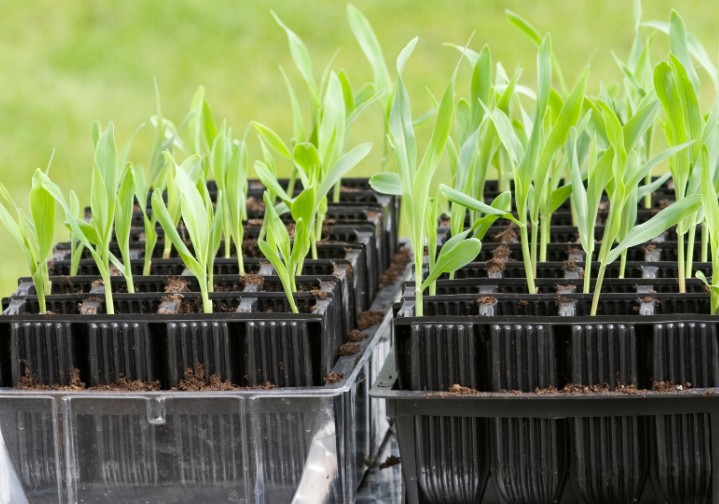
This is one of the most exciting stages. About 7–10 days after sowing, little shoots begin to emerge. The roots dig deep while the stem pushes upwards.
Here’s how I ensure successful corn seed germination:
- Keep the compost moist but not soggy.
- Keep the pots in an area with light, warm location or greenhouse.
- Avoid overwatering—corn hates sitting in waterlogged soil.
Fun fact: The very first green tip you see is the coleoptile—a protective sheath that helps the shoot break through the soil.
3. Vegetative Growth Phase
Once the seedling is established, the plant starts to grow rapidly. This is when leaf after leaf unfurls, forming the structure that will eventually support the cob.
Botanically, this is the V stage of growth (V1, V2, V3, etc.), marked by the appearance of each new leaf. In my experience, this is when the plant needs the most care:
- Regular watering, especially during dry spells.
- Nitrogen-rich feed every 10–14 days.
- Watch out for weeds and pests like slugs early on.
You’ll notice the stem thickens, roots grow stronger, and the plant gains height quickly—sometimes several centimetres a day!
4. Tasseling and Silking (Flowering Stage)
By midsummer, your sweetcorn will enter its most important phase: flowering. Here’s what happens:
- The tassel, which is the male flower, appears at the top of the plant.
- Soon after, silks, the female flowers, emerge from where the cob will form.
Each silk must receive pollen from the tassel for a kernel to develop. Because UK weather can be unpredictable, I give the plants a little shake in the mornings to help pollination along, especially if there’s no breeze.
5. Kernel Development and Filling
After successful pollination, the magic begins. The kernels start to swell and fill with milky fluid. This stage progresses through:
- Blister stage (clear fluid)
- Milk stage (opaque milky fluid)
- Dough stage (thicker starch)
- Mature stage (fully formed kernels)
Watering is critical during this stage—dry roots lead to smaller or misshapen cobs. I make sure the soil stays evenly moist until the very end.
6. Maturity and Harvest Time
In the UK, sweetcorn is usually ready to harvest between August and September, depending on when it was sown.
Here’s how I know when to pick:
- The silks turn brown and dry out.
- Kernels release a milky liquid when pierced (not clear or doughy).
- The cob feels full and rounded when gently squeezed.
Don’t wait too long—sweetcorn loses sweetness quickly once mature. I always harvest in the morning when sugar levels are at their peak and cook them fresh that day!
How Does SweetCorn Grow in the UK?
Here’s a general timeline I follow in my own UK garden:
| Stage | Time After Planting | UK Month(s) | Key Action Points |
| Germination | 7–10 days | May | Keep compost warm and moist |
| Vegetative Growth | 2–4 weeks | Late May–June | Water and feed nitrogen |
| Tasseling & Silking | 5–7 weeks | July | Assist pollination, keep soil moist |
| Kernel Development | 7–9 weeks | July–August | Maintain watering, check growth |
| Harvest Readiness | 10–12+ weeks | August–September | Pick when kernels reach milky stage |
What are My Personal Tips for a SweetCorn Success Story?
These are the things I swear by for strong, healthy sweetcorn in the UK:
- Start early indoors, especially in colder regions.
- Plant in blocks, never single rows.
- Mulch around the base to hold on the moisture and defeat weeds.
- Manually shake plants during tasseling if there’s little wind.
- Harvest promptly for the sweetest flavour!

Conclusion
Growing sweetcorn is more than just planting a seed—it’s about recognising and supporting each sweetcorn growing stage. From the first sprout to that moment you peel back the husk and see golden kernels, each phase teaches you something.
I’ve learned to watch, listen, and adapt as the season progresses. Follow the stages, stay attentive, and you’ll be rewarded with delicious, homegrown sweetcorn—fresh from your own garden.
What are the Common Questions UK Gardeners Ask About Sweetcorn Growing Stages?
1. When Should I Sow Sweet Corn Seeds in the UK?
I sow indoors in late April, and plant out in late May to early June after all risk of frost is gone.
2. How Long Does Corn Take to Grow?
On average, sweet corn takes 10–12 weeks from sowing to harvest. Warmer years might shorten this slightly.
3. What Nutrients and Care Do Sweet Corn Plants Need?
I use a nitrogen-rich feed during vegetative stages and switch to a balanced fertiliser once tassels appear. Water deeply at the base every few days, especially during flowering and cob formation.
4. How Do I Know If Sweet Corn Isn’t Growing Well?
Here are some common issues I’ve seen:
- Pale leaves = nutrient deficiency.
- No cobs or missing kernels = poor pollination.
- Stunted growth = cold or waterlogged soil.

Home Diagnostics and Technical Standards Specialist at Hello Mag. She provides high-level Expertise in appliance mechanics and scientific pest management, ensuring every guide follows strict safety protocols and manufacturer standards. As a leading Authority on technical home specs, Kanimozhi audits complex data to provide homeowners with the most accurate, verified, and reliable diagnostic solutions available.
0 Comments