
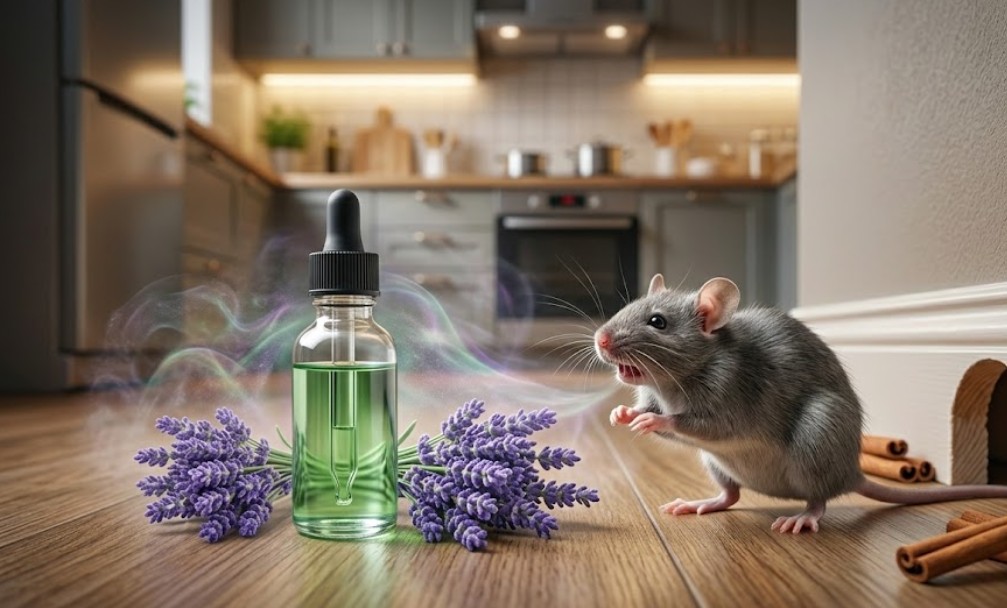
- The Quick Answer: What Smells Do Mice Hate?
- The Science: Why Mice See With Their Noses?
- What Smells Do Mice Hate? - The 11 Best Natural Repellents
- Why Scent-Only Methods Often Fail?
- What Is The Scent + Shield 3-Step Strategy?
- What is the DIY Mouse Repellent Spray Recipe?
- Final Verdict: Prevention is Better Than Cure
- FAQ: What Smells Do Mice Hate?
Technical Review by BPCA Certified Pest Professional
Last Updated: March 2, 2026
⚠️ MANDATORY SAFETY ALERT: Many essential oils (Peppermint, Eucalyptus, Tea Tree) are toxic to cats and dogs. Always place deterrents in non-accessible areas like lofts, behind heavy appliances, or inside wall voids.
The Quick Answer: What Smells Do Mice Hate?
If you need an immediate barrier, mice have a biological aversion to these scents because they overwhelm their advanced olfactory receptors or mimic natural predators:
- Peppermint Oil (High menthol content causes nasal irritation)
- White Vinegar (Acetic acid strips away pheromone navigation trails)
- Ammonia (Mimics the chemical signature of predator urine)
- Cayenne Pepper (Capsaicin triggers a physical burning sensation)
- Clove Oil (Eugenol is a sharp, pungent chemical repellent)
- Eucalyptus (Potent cineole compounds are toxic to rodents)
- Cinnamon (Cinnamaldehyde irritates delicate nasal passages)
- Citrus (Lemon/Orange) (Limonene is a natural acidic deterrent)
- Tea Tree Oil (Strong medicinal scent disrupts scent mapping)
- Lavender (Linalool acts as a mild, floral deterrent)
- Citronella (Strong lemony scent masks food odors)
The Science: Why Mice See With Their Noses?
Mice possess a sensory system far superior to humans. While we have roughly 6 million olfactory receptors, a mouse has closer to 1,000 different types of functional odorant receptors.
They navigate via “scent maps,” leaving tiny droplets of urine (pheromone trails) to mark safe routes to food. By introducing the smells they hate, you aren’t just creating a “bad odor”—you are effectively blinding their internal GPS.
What Smells Do Mice Hate? – The 11 Best Natural Repellents
1. Peppermint Oil (The Gold Standard)
Pure peppermint oil contains high levels of menthol, which triggers the TRPM8 receptors (cold-sensing receptors) in a mouse’s nose. This creates an intense “burning cold” sensation that forces them to retreat.
-
How to use: Soak cotton balls in 100% pure oil and place near entry points.
-
UK Maintenance: Refresh every 48–72 hours as central heating causes rapid evaporation.
2. White Vinegar (The Pheromone Eraser)
Mice rely on “urine pillars” to guide the colony. The acetic acid in white vinegar chemically neutralizes these markers.
-
The Strategy: Use a 50/50 water-vinegar mix to wipe down baseboards and pantry shelves.
3. Ammonia (Predator Mimicry)
Ammonia smells remarkably similar to the concentrated urea found in the urine of cats, foxes, and owls. A mouse smelling ammonia perceives the area as a marked hunting ground.
-
Safety Warning: Use only in lofts or garages. Never mix with bleach.
4. Cayenne Pepper & Chilli Flakes
The capsaicin in chillies causes a physical burn on a mouse’s paws. Since mice are constant groomers, they will lick their paws and experience a painful burning sensation on their tongue, teaching them to avoid the area.

5. Clove & Cinnamon (The Festive Deterrents)
Cloves contain eugenol, and cinnamon contains cinnamaldehyde. Both are sharp irritants. These are excellent for protecting wardrobes or drawers where you want a pleasant scent for humans but a hostile one for rodents.
6. Eucalyptus & Tea Tree
These medicinal oils are highly pungent. Eucalyptus, in particular, contains cineole, which has been shown in studies to reduce rodent activity in enclosed spaces like air vents or lofts.
7. Lemon & Citronella
Acidic citrus scents and citronella mask the “scent of indoors” (food and warmth) that attracts mice from the outside.
Why Scent-Only Methods Often Fail?
As an expert in British pest patterns, I must provide a reality check: scents are deterrents, not exterminators.
-
Habituation: A starving mouse will eventually tolerate a bad smell to reach a food source.
-
Maternal Instinct: A mother mouse will rarely abandon her nest just because it smells like peppermint.
-
Structural Gaps: If you don’t block the holes, new mice will simply keep trying different routes.
What Is The Scent + Shield 3-Step Strategy?
To truly protect your UK home, you must combine olfactory deterrents with physical barriers.
Step 1: Identify Hotspots
Look for grease marks along skirting boards. If you can fit a ballpoint pen into a gap, a mouse can fit through it.
Step 2: The Steel Wool Plug
Fill every identified hole with Grade 0000 Steel Wool. Mice cannot chew through these fibers as they cause immediate cuts to their mouths.
Step 3: Chemical Sealing
Seal the wool in place with silicone caulk. This holds the barrier and prevents food odors from wafting outside.

What is the DIY Mouse Repellent Spray Recipe?
Keep this mixed in a spray bottle for weekly maintenance.
-
1 Cup Water
-
1 Cup White Vinegar
-
20 Drops Peppermint Essential Oil
-
1 tsp Liquid Dish Soap (to emulsify the oil and water)
-
Instructions: Shake well and spray entry points and behind appliances every 3 days.
Final Verdict: Prevention is Better Than Cure
Understanding what smells do mice hate is your first layer of defense. By using peppermint oil and vinegar, you make your home uninviting to scouts. However, the real victory comes from structural proofing and impeccable hygiene.
FAQ: What Smells Do Mice Hate?
1. Does coffee keep mice away?
No. This is a common myth. Mice have been known to scavenge through compost piles containing coffee grounds; it does not reliably repel them.
2. Are ultrasonic repellers better than scents?
Evidence is mixed. Most mice habituate to ultrasonic sounds within weeks. A “Scent + Shield” approach is significantly more reliable for long-term protection.
3. How do I clean mouse droppings safely?
Always wear a mask. Spray droppings with a disinfectant or bleach solution first to prevent airborne pathogens (like Hantavirus) before wiping them up with a paper towel. For a full breakdown on health risks, read our guide on the chances of getting sick from mouse droppings in the UK
Lead Technical Researcher
Kanimozhi BV
Kanimozhi is a home improvement and diagnostics specialist at Hello Magazine UK. With a background in technical research, she bridges the gap between professional trade standards and practical DIY solutions. From troubleshooting appliance error codes to ecological pest control, Kanimozhi provides evidence-based guides for safe and efficient UK households.

Home Diagnostics and Technical Standards Specialist at Hello Mag. She provides high-level Expertise in appliance mechanics and scientific pest management, ensuring every guide follows strict safety protocols and manufacturer standards. As a leading Authority on technical home specs, Kanimozhi audits complex data to provide homeowners with the most accurate, verified, and reliable diagnostic solutions available.
0 Comments