

- How to Grow a Plum Tree from a Stone in the UK?
- How Long Does It Take to Grow a Plum Tree from a Stone?
- How Big Do Plum Trees Grow in the UK?
- Can You Grow a Plum Tree From a Stone in the UK?
- Why Do Plum Seeds Need Cold Stratification?
- Step-by-Step: How to Plant Plum Stone Seeds in the UK?
- What about the Soil, Sunlight, and Placement Tips for UK Gardens?
- What to Expect Year-by-Year on Plum Growth?
- What are the Plum Tree Growing Tips for Beginners?
- Conclusion
- What are the Frequently Asked Questions On Can You Grow a Plum Tree from a Stone?
Growing your own plum tree from a simple stone might sound like a gardening myth, but it’s actually quite achievable — especially here in the UK, where cool winters provide the perfect conditions for getting started.
If you’ve ever wondered “Can you grow a plum tree from a stone?”, the answer is a resounding yes — with patience, the right method, and a little understanding of how plum seeds grow.
This guide will walk you through how to start from a plum stone, prepare it for germination, plant it, and nurture it into a fruit-bearing tree. Let’s dig in!
How to Grow a Plum Tree from a Stone in the UK?
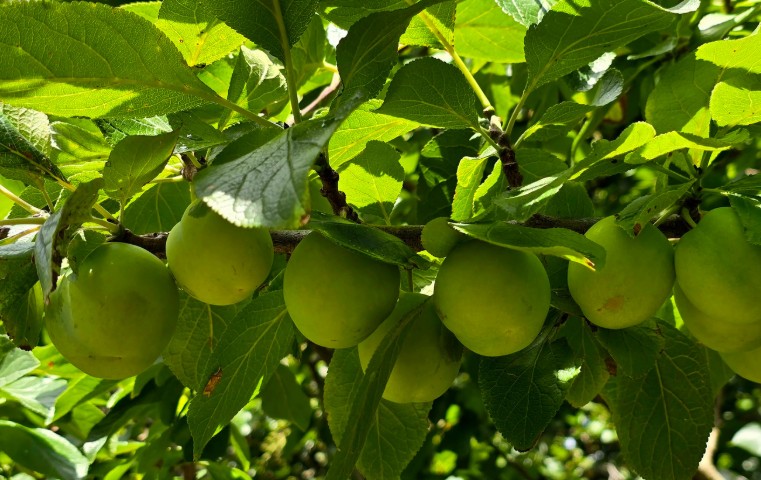
When you eat a plum and are left with the hard stone in the middle, you’re actually holding the seed of a potential tree.
However, it’s not as simple as dropping it into soil and waiting. Unlike many vegetable seeds, plum stones have a dormant period — they must be cold stratified to break dormancy and prepare them for germination.
Here in the UK, your cool climate makes this process easier, especially if you’re patient and follow the steps.
what you’ll need?
- Ripe, preferably organic plums
- A small hammer or nutcracker (optional)
- Paper towel and sealable bag
- Fridge space for stratification
- Compost and a pot for planting
How Long Does It Take to Grow a Plum Tree from a Stone?
The process of growing a plum tree from seed is a very long-term project. While it’s incredibly rewarding to see a tree grow from something as small as a seed, you’ll need to prepare for a multi-year journey before you enjoy any fruit.
Here’s a general timeline:
| Phase | Timeframe | Notes |
| Cold stratification | 8–12 weeks | Chilling helps break seed dormancy |
| Germination | 2–4 weeks (post-chilling) | After planting indoors |
| Sapling growth | 1–2 years | Ready for outdoor planting after frost |
| Fruit-bearing maturity | 3–8 years | Depends on care, climate, and seed genetics |
Unlike grafted nursery trees, a tree grown from a plum stone may take longer and might not produce identical fruit to the parent plum, especially if it came from a hybrid variety.
How Big Do Plum Trees Grow in the UK?
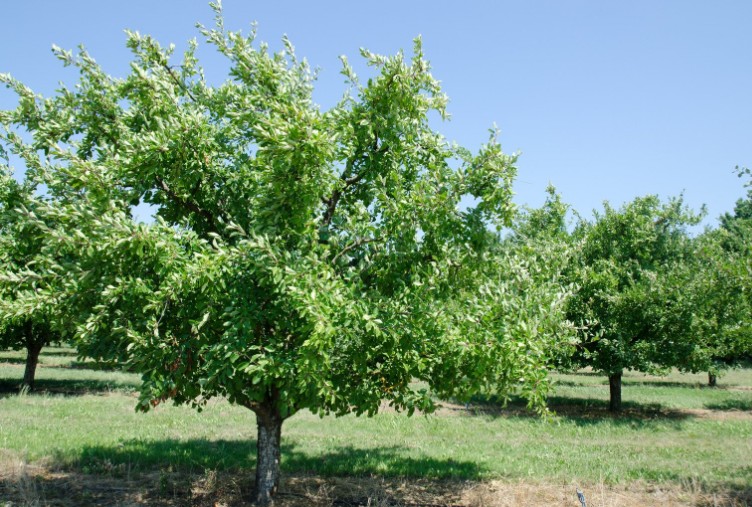
In UK gardens, plum trees can grow to varying sizes depending on the variety and whether you prune them.
| Tree Type | Average Height | Ideal For |
| Standard Plum Tree | 4–6 metres | Large gardens |
| Dwarf Plum Tree | 2–3 metres | Small gardens or containers |
To control the size of your tree:
- Choose a dwarf or semi-dwarf variety.
- Prune annually to encourage strong structure.
- Use a container to limit root growth.
UK’s moderate climate supports healthy growth, especially in full sun and well-drained soil.
Can You Grow a Plum Tree From a Stone in the UK?
Yes, and the UK climate makes this process quite favourable. Plum seeds require cold stratification, which mimics winter — and the UK’s cool, damp winters help replicate the process naturally.
However, to improve success rates, you should stratify the seed in your refrigerator. This controlled environment ensures the seed gets consistent cold exposure, improving germination chances.
What are the Key Tips to grow plum tree?
- Start the process in autumn or early winter
- Be patient — germination won’t happen instantly
- Expect variety in fruit or flowering compared to the original plum
Why Do Plum Seeds Need Cold Stratification?
Plum trees are temperate fruit trees, meaning their seeds have evolved to survive winter. If planted fresh, most plum seeds won’t germinate unless they’ve experienced a cold period — this is nature’s way of preventing premature sprouting in autumn.
Cold stratification tricks the seed into thinking it has gone through winter, so it’s safe to grow in spring.
Cold Stratification Time Table
| Stratification Method | Duration | Temperature |
| Fridge (moist paper towel) | 8–12 weeks | 1–4°C |
| Outdoors (in compost) | Winter (Nov–Mar) | Natural UK winter |
| Extended (optional) | 12–16+ weeks | For stubborn seeds |
Always check for mould, keep conditions slightly damp (not soaked), and label your bag with a start date.
Step-by-Step: How to Plant Plum Stone Seeds in the UK?
1. How to Choose & Extract the Seed?
- Pick ripe, locally grown or organic plums
- Let the stone dry for a few days
- Optionally crack the stone gently to remove the seed, being careful not to damage it

2. How to Test Seed Viability?
Drop the seed in water:
- Sinks = viable
- Floats = likely dead
3. How to Refrigerate the Seed?
- Wrap the seed in a damp paper towel
- Place in a ziplock bag
- Stock in the fridge (not freezer!) for 8–12 weeks
4. How to Check for Germination?
- After a few weeks, check if a root has emerged
- If yes, it’s time to plant
5. How to Plant the Seed?
- Use a small pot with free-draining compost
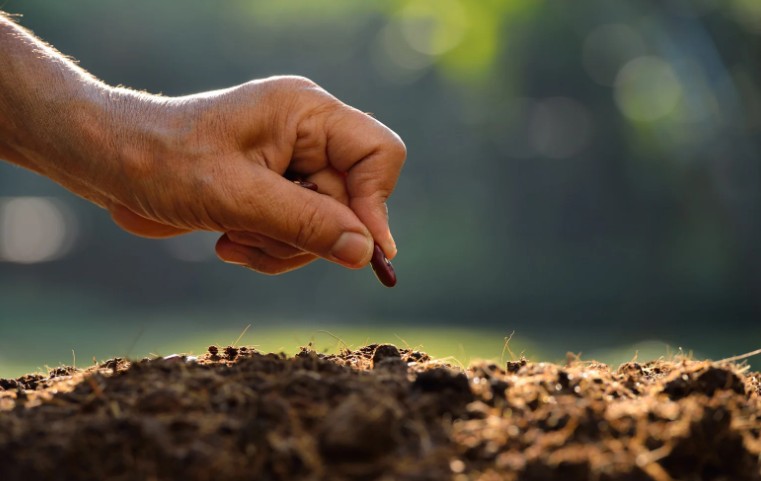
- Bury seed 1–2 inches deep
- Water lightly and place in a sunny indoor spot
6. How to Transit Outdoors?
- Wait until after the last UK frost (usually mid to late spring)
- Harden off the plant by slowly exposing it to outdoor conditions
What about the Soil, Sunlight, and Placement Tips for UK Gardens?
Plum trees thrive when given the right environment:
- Soil: Well-draining loamy or sandy soil is best
- Sun: Full sun (6–8 hours daily) is essential
- Space: Allow at least 2–3 metres between trees (or use containers)
What to Expect Year-by-Year on Plum Growth?
Year 1:
- Seed germinates, becomes a small sapling
Year 2–3:
- Grows larger, develops stronger branches and leaves
Year 4+:
- May begin to flower and eventually produce fruit (though fruit may differ in size/taste)
What are the Plum Tree Growing Tips for Beginners?
Here’s a quick checklist to help your plum-growing project succeed:
- Use organic or local plums when possible
- Always stratify the seed before planting
- Be patient — fruit can take 4–8 years
- Use containers if space is limited
- Prune annually after year 2
Conclusion
So, can you grow a plum tree from a stone in the UK? Absolutely! With a bit of preparation and a lot of patience, you can turn a supermarket plum into a living tree — right in your garden.
While it may not give fruit identical to its parent, the journey of nurturing a tree from seed is a deeply rewarding one. Give it a try, follow the steps, and before long, you’ll be watching your very own plum tree from seed reach for the sky.
What are the Frequently Asked Questions On Can You Grow a Plum Tree from a Stone?
1. Will the tree produce the same fruit as the original plum?
No. Seed-grown trees often don’t produce fruit identical to the parent — especially if the plum was a commercial hybrid.
2. Can I plant the stone directly in soil outside?
You can, but results are unpredictable. Outdoor stratification is slower and exposes the seed to pests or rot. Fridge stratification is more controlled.
3. Do I need to prune the young tree?
Yes. Light pruning during the dormant season helps shape the tree and promotes strong growth.
0 Comments