
- Is Clay Soil Acid or Alkaline? - Does Its Texture Define Its pH?
- Can Clay Soil Be Acidic or Alkaline?
- What Is the Ideal Soil pH — and How Do Clay Soils Measure Up?
- How Can I Find Out If My Clay Soil Is Acidic or Alkaline?
- What Can I Do About My Soil’s pH?
- How Can I Improve Clay Soil in General?
- Conclusion
- Frequently Asked Questions (FAQ) On Is Clay Soil Acidic or Alkaline
When I first started gardening in the UK, one of the things I often wondered was: is clay soil acid or alkaline? It’s a question that many gardeners ask — and the answer isn’t as straightforward as I initially thought.
Understanding the pH level of clay soil is crucial for healthy plant growth and long-term garden success.
So in this guide, I’ll share everything I’ve learned about clay soil pH, how to test it, and what you can do to make your garden thrive.
Is Clay Soil Acid or Alkaline? – Does Its Texture Define Its pH?
What Exactly Is Clay Soil?
Clay soil is what many of us call “heavy” soil. It’s made up of very fine particles that stick together, creating a dense and compact texture. This type of soil tends to:
-
Hold water well (sometimes too well!)
-
Be rich in nutrients
-
Drain slowly
-
Get sticky when wet and hard when dry
But here’s something I learned early on: the term “clay soil” refers to its texture, not its acidity or alkalinity. That means just because the soil is clay-based doesn’t tell you much about its pH.
Why Clay Soil Has a Strong Buffering Capacity?
One interesting thing about clay soil is its buffering capacity. In simple terms, this means it doesn’t change its pH easily.
Clay particles — along with organic matter — can hold onto nutrients and resist sudden shifts in pH. So whether your clay soil is acidic, neutral, or alkaline, it will likely stay that way unless something significant changes.
Can Clay Soil Be Acidic or Alkaline?
The Truth: Clay Soil Can Be All Three
The big surprise for me was this: Clay soil can be acidic, neutral, or alkaline. It all depends on several factors such as:
-
Local geology (what kind of rock lies beneath the soil)
-
Rainfall levels
-
Drainage and leaching
-
Previous soil amendments (like lime or compost)
-
Fertiliser use over the years
So, if you’re wondering “is clay soil acid or alkaline?”, the honest answer is: it varies!
When Clay Soil Tends to Be Alkaline?
In many parts of the UK, especially areas with chalky or limestone bedrock, clay soil often leans toward being neutral to alkaline. I’ve tested soils that sit on chalky subsoil and found pH readings around 7.5 to 8.0.
Other signs that your clay soil might be alkaline include:
-
Presence of chalky white fragments in the soil
-
Past use of lime or cement debris in the garden
-
Reduced growth of acid-loving plants like rhododendrons or blueberries
When Clay Soil Might Be Acidic
On the flip side, if your area gets a lot of rainfall, especially in woodland or peaty regions, clay soil can be acidic. You might have acidic clay soil if:
-
The pH test shows below 6.0
-
Your plants suffer from nutrient deficiencies (like iron chlorosis)
-
You use a lot of acid-forming fertilisers
What Is the Ideal Soil pH — and How Do Clay Soils Measure Up?
What pH Is Best for Most Plants?
Most plants in UK gardens thrive in soils with a pH between 6.0 and 7.0. This slightly acidic to neutral range allows for optimal nutrient uptake.
Here’s a quick reference table:
| pH Range | Soil Type | Plant Suitability |
|---|---|---|
| 4.0 – 5.5 | Strongly acidic | Only acid-loving plants thrive |
| 5.5 – 6.5 | Moderately acidic | Ideal for many vegetables and fruits |
| 6.5 – 7.5 | Neutral | Most garden plants grow well |
| 7.5 – 8.5 | Alkaline | Suitable for some shrubs and perennials |
From my experience, clay soils often fall between 6.5 and 7.8, especially in the Midlands and South of England. But again, testing is key.
How Can I Find Out If My Clay Soil Is Acidic or Alkaline?
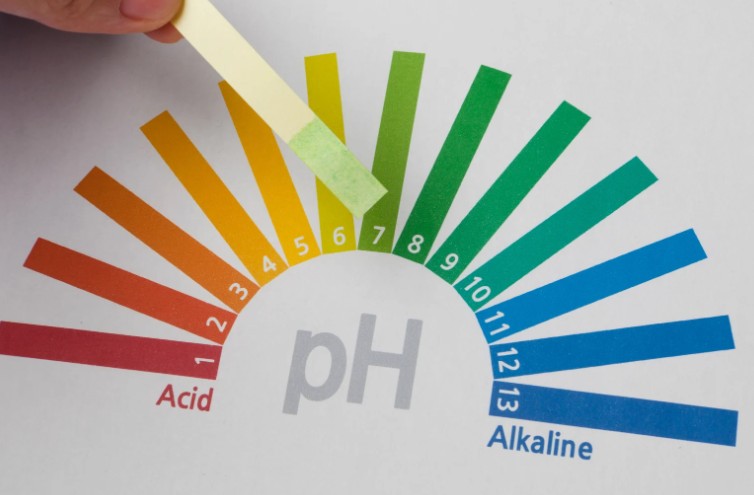
Soil pH Testing: The Only Way to Know for Sure
I always recommend doing a soil pH test before planting anything. You can:
-
Use a DIY pH test kit or digital soil meter
-
Send a sample to a professional lab for more detailed analysis
When I tested different spots in my garden, I found minor variations — which helped me plan where to plant certain crops.
What are Other Clues from Your Garden?
There are some visual and historical clues you can look for:
-
Plants struggling without explanation could signal pH imbalance
-
Moss and fungi growth may indicate acidic conditions
-
If you’ve used lime regularly, your soil may be more alkaline
What Can I Do About My Soil’s pH?
If Your Clay Soil Is Too Acidic?
Here’s how I raised the pH in one of my acidic garden beds:
-
I added ground limestone (garden lime) in the autumn
-
Mixed it thoroughly into the topsoil
-
Re-tested after 3 months to track changes
Clay soils respond slowly, so I had to be patient. Here’s a quick look at what works:
What are the Ways to Raise pH? – Reduce Acidity
-
Apply agricultural lime
-
Use dolomitic lime if magnesium is also low
-
Add wood ash in small amounts (not too much)
If Your Clay Soil Is Too Alkaline?
Trying to make alkaline soil acidic is harder — especially with clay. But here’s what helped in my raised beds:
-
Added ericaceous compost to the planting area
-
Mixed in sulphur-based amendments
-
Used containers with tailored soil for acid-loving plants
Tip: Instead of changing the pH too much, consider growing plants that prefer alkaline soil, like lavender, lilac, or clematis.
How Can I Improve Clay Soil in General?
Regardless of pH, clay soil often benefits from better structure. Over the years, I’ve followed this routine:
-
Dig in organic matter (compost, leaf mould, or well-rotted manure)
-
Avoid walking on wet clay to prevent compaction
Here’s a quick bulleted list of tips:
-
Add organic mulch annually
-
Use green manure crops in winter
-
Aerate compacted areas with a garden fork
Improving structure helps roots grow deeper and reduces waterlogging — making clay soil more plant-friendly no matter its pH.
Conclusion
So, is clay soil acid or alkaline? The answer isn’t simple — it depends. Clay soil can be acidic, neutral, or alkaline, depending on where you live, your garden’s history, and how the soil has been treated.
From my own experience, the only way to know for sure is to test the pH. Once you have that information, you can choose to:
-
Adjust the pH using lime or sulphur-based amendments
-
Improve the structure with compost and aeration
-
Or simply select plants that thrive in your existing soil
By understanding your clay soil and working with it — rather than against it — you can build a productive and beautiful garden that truly flourishes.
Frequently Asked Questions (FAQ) On Is Clay Soil Acidic or Alkaline
1. Is clay soil naturally acidic or alkaline?
Clay soil is not naturally one or the other — it can be acidic, neutral, or alkaline, depending on local geology, rainfall, and past land use. You can’t tell just by the texture; a soil pH test is the only way to know for sure.
2. How do I test the pH of my clay soil?
You can use a DIY pH test kit, a digital soil meter, or send a soil sample to a lab. For best results, test several areas of your garden and average the readings.
3. What pH is best for most garden plants?
Most plants prefer a slightly acidic to neutral soil, ideally between pH 6.0 and 7.0. Some, like rhododendrons and blueberries, prefer more acidic conditions, while others thrive in slightly alkaline soil.
4. Can I make my clay soil more acidic?
Yes, but it can be challenging due to clay’s buffering capacity. You can lower pH by adding elemental sulphur, acidifying fertilisers, or using ericaceous compost in beds or containers.
5. Can I use lime on clay soil?
Absolutely. If your soil is too acidic, applying garden lime can raise the pH. Just be sure to apply it in the right season (usually autumn or early spring) and mix it into the soil well.
6. What plants grow well in alkaline clay soil?
If you discover your clay soil is alkaline, consider growing:
-
Lavender
-
Clematis
-
Lilac
-
Geranium (Cranesbill)
-
Choisya
These plants tolerate — and sometimes prefer — alkaline conditions.
0 Comments