
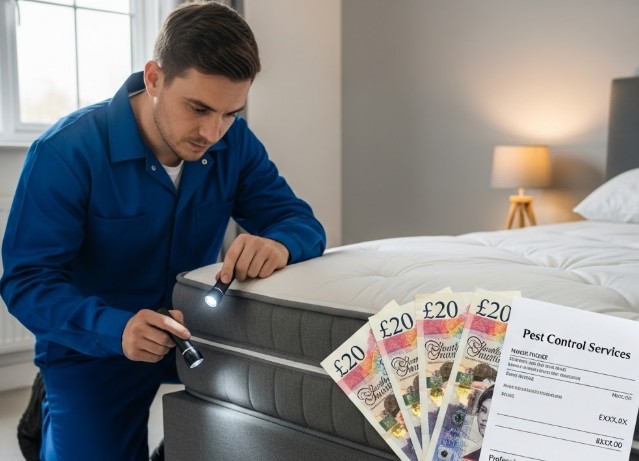
- How Much Does It Cost To Get Rid Of Bed Bugs?
- Why Is The Cost So Variable For UK Homes?
- Which Professional Solution Is Right For Your Home?
- How Can You Minimise Costs Through Home Preparation?
- Is A DIY Home Solution Effective Or A False Economy?
- What Are The Long-Term Maintenance Costs To Stay Bed-Bug Free?
- Conclusion
- What are the FAQ about how much does it cost to get rid of bed bugs?
Discovering bed bugs in your home can be a distressing experience. Beyond the physical discomfort, the immediate concern for most UK homeowners is the financial impact. Because these pests are notoriously resilient, quick fixes often lead to mounting costs over time.
In this guide on how much does it cost to get rid of bed bugs, we break down the current UK market rates for professional removal, identify the environmental triggers in your home that might be driving the bed bug treatment cost up, and show you how to prepare your property to ensure you only have to pay for treatment once.
Note: While we provide expert home environment and maintenance advice, we are not medical professionals. If you have health concerns regarding bites or reactions, please consult a healthcare professional or contact NHS 111.
How Much Does It Cost To Get Rid Of Bed Bugs?
Estimated Bed Bug Treatment Cost In The UK
The price of professional pest control in the UK varies significantly based on your location (London and the South East often command a 15-20% premium) and the size of your property.
| Property Size | Chemical Spray (2nd Visit Incl.) | Heat Treatment (One-Off) | Professional Inspection Only |
|---|---|---|---|
| Studio / 1-Bed Flat | £250 – £450 | £500 – £850 | £50 – £100 |
| 3-Bedroom House | £450 – £750 | £850 – £1,600 | £80 – £120 |
| 4+ Bedroom House | £700 – £1,100 | £1,400 – £2,500+ | £100 – £150 |
Prices are estimates based on 2024/2025 UK market averages. Total bed bug treatment cost may increase if the infestation has spread to multiple rooms or communal areas.
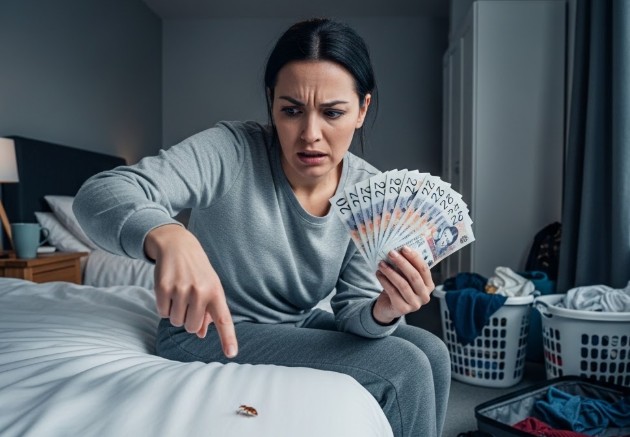
Why Is The Cost So Variable For UK Homes?
When you call an exterminator, they don’t just look at the bugs; they look at your home’s environment. Several “problem-based” factors can influence your final quote:
- Infestation Severity: If you catch the problem early (localised to one mattress), costs are kept low. If the infestation is “well-established,” bed bugs will have migrated into skirting boards, behind wallpaper, and into electrical sockets, requiring more labour-intensive work.
- Building Age and Structure: Older UK properties, particularly Victorian or Edwardian terraces, often have more “voids”—cracks in plaster, gaps in floorboards, and loose skirting. These provide perfect hiding spots that require more time and chemicals (or higher heat) to penetrate.
- Clutter Levels: Bed bugs thrive in “clutter-rich” environments. If a technician has to spend hours moving boxes, clothes, and furniture to reach treatment zones, you will likely face a surcharge for labour.
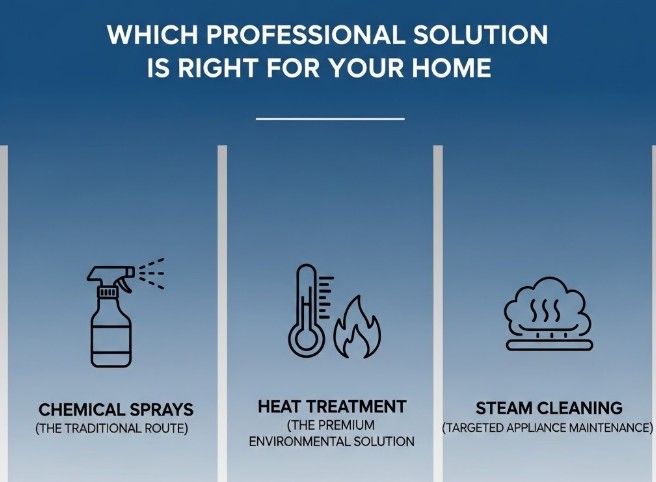
Which Professional Solution Is Right For Your Home?
Choosing the right method is about balancing your immediate budget with the long-term goal of total eradication. The specific bed bug treatment cost you pay often depends on the technology used.
Chemical Sprays (The Traditional Route)
This is the most common and affordable option. However, most professional-grade insecticides in the UK do not kill bed bug eggs.
- Pros: Lower upfront cost.
- Cons: Requires at least two visits (spaced 2 weeks apart) to kill newly hatched nymphs. You must be prepared for a “waiting game” while the chemicals work.
Heat Treatment (The Premium Environmental Solution)
Heat treatment involves raising the temperature of the infested rooms to approximately 55–60°C using specialised industrial heaters.
- Pros: This is a “one-and-done” solution. It kills all life stages, including eggs, in a single day. It is chemical-free, making it ideal for homes with sensitive residents or pets.
- Cons: Higher initial bed bug treatment cost. You must also remove heat-sensitive items (plastics, electronics, candles) from the home.
Steam Cleaning (Targeted Appliance Maintenance)
Some UK pros use “Dry Steam” (reaching over 100°C). This is often used as a supplementary tool to treat expensive upholstered furniture or mattresses that you don’t want to dispose of.
How Can You Minimise Costs Through Home Preparation?
You can significantly reduce the “labour” portion of your pest control bill by taking ownership of the home environment before the professionals arrive. A well-prepared home ensures the treatment is 100% effective, preventing the need for a costly “Re-treatment” visit.
The Homeowner’s Pre-Treatment Checklist:
- High-Heat Laundering: Wash all bedding, curtains, and clothing at 60°C. The heat from the water (and a subsequent 30-minute high-heat tumble dry) is a highly effective, zero-cost way to kill bed bugs in fabrics.
- Sealing the Environment: Use a high-quality sealant to fill gaps in skirting boards and around door frames. This removes the “harbourage points” bed bugs use to escape chemicals or heat.
- Appliance Maintenance: Empty your vacuum cleaner immediately after use into an outdoor bin. Bed bugs can survive inside vacuum bags and crawl back out into your cupboards.
- Mattress Encasements: Rather than throwing away an expensive mattress (which can cost £500+ to replace), buy a certified bed-bug-proof encasement (approx. £30–£60). This traps any remaining bugs inside, where they eventually die, and prevents new ones from entering.
Is A DIY Home Solution Effective Or A False Economy?
It is tempting to spend £20 on a “bug bomb” from a local hardware store. However, for UK homeowners, this is often a false economy.
Most shop-bought sprays act as repellents rather than killers. Instead of eradicating the colony, they often cause the bed bugs to scatter deeper into the walls or into neighbouring rooms. This turns a “one-room problem” into a “whole-house problem,” effectively doubling or tripling your eventual professional bed bug treatment cost.
If you want to take a DIY approach, focus on environmental changes (steaming, vacuuming, and sealing) rather than unverified chemical sprays.
What Are The Long-Term Maintenance Costs To Stay Bed-Bug Free?
Once your home is clear, “defensive maintenance” is your best way to protect your investment.
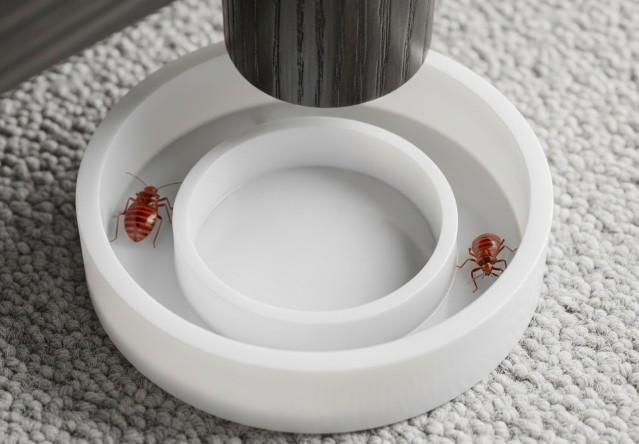
- Monitoring Traps (£10 – £20): Place “interceptor” traps under the legs of your bed. These are low-cost visual monitors that will alert you to a single bug before it becomes a full infestation.
- Routine Inspection: Every time you change your bed sheets, inspect the seams of the mattress and the joints of the bed frame.
- Travel Protocols: When returning from holiday, keep your suitcase in the garage or a bathtub until the clothes are laundered at 60°C.
Conclusion
Getting rid of bed bugs in a UK home is an investment in your peace of mind and the sanctity of your environment. While the initial bed bug treatment cost of £300 to £1,500 might seem high, the cost of “doing it twice” or replacing all your bedroom furniture is far higher.
By focusing on home solutions—clearing clutter, sealing cracks, and following strict laundering protocols—you can ensure that your professional treatment provides a permanent solution rather than a temporary fix. Focus on the environment, and the bugs will have nowhere left to hide.
What are the FAQ about how much does it cost to get rid of bed bugs?
1. Does home insurance cover bed bug removal in the UK?
Standard UK home insurance policies rarely cover “vermin or pests,” which includes bed bugs. However, some “Home Emergency Cover” add-ons may provide a small contribution toward the call-out. Always check your policy wording.
2. Does the council pay for bed bug removal?
Generally, no. While some councils offer discounted pest control services to residents on certain benefits (Universal Credit, etc.), most will charge a fee ranging from £140 to £300. In many boroughs, the council no longer provides this service at all.
3. How do I know if the treatment worked?
You should see a significant reduction in bites immediately. However, with chemical treatments, you may still see a few bugs for up to 10 days as eggs hatch. If you see live bugs 21 days after the final treatment, a re-visit is usually required.
4. What is the cheapest way to kill bed bugs in the UK?
The cheapest “home solution” is a combination of heat and suction: laundering all fabrics at 60°C and using a high-powered vacuum and steam cleaner on all furniture. However, this is rarely 100% effective on its own for a full infestation, and delaying professional help often increases the final bed bug treatment cost.

Home Diagnostics and Technical Standards Specialist at Hello Mag. She provides high-level Expertise in appliance mechanics and scientific pest management, ensuring every guide follows strict safety protocols and manufacturer standards. As a leading Authority on technical home specs, Kanimozhi audits complex data to provide homeowners with the most accurate, verified, and reliable diagnostic solutions available.
0 Comments