
- 🐝 Quick Answer: When Do Wasps Build Nests?
- When is the Wasp Nesting Season in the UK?
- When Do Wasps Build Nests? – Wasp Nest Activity by Month (UK)
- Why Do Wasps Build Nests in Spring?
- Where Do Wasps Build Nests?
- How Fast Do Wasp Nests Grow?
- What are the Signs That a Wasp Nest Is Being Built?
- What Happens to a Wasp Nest in Autumn?
- Can You Prevent Wasps From Nesting?
- What Should You Do If You Discover a Nest?
- Conclusion
- What are FAQs about When Do Wasps Build Nests in the UK?
🐝 Quick Answer: When Do Wasps Build Nests?
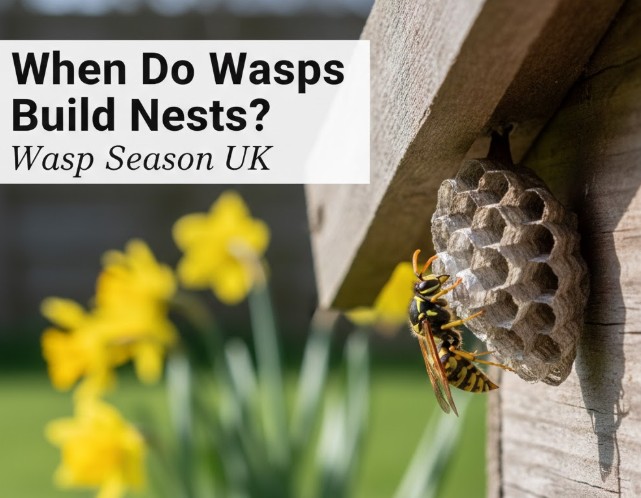
In the UK, wasps typically begin building nests in April or May, as queen wasps emerge from hibernation. The nesting season follows this timeline:
- Spring (April–May): Queen starts the nest (golf-ball size).
- Summer (July–August): Peak activity and maximum colony size.
- Autumn (October–November): Colony dies off; nest becomes inactive.
When is the Wasp Nesting Season in the UK?
If you’ve spotted wasps buzzing around your loft, shed, or garden early in the year, you might be wondering: when do wasps actually build nests?
In the UK, spring is the official start of the wasp nesting season. This is when hibernating queens wake up and begin searching for suitable nesting spots. The earlier you understand this cycle, the better chance you have of preventing a full-blown infestation later in the summer.
When Do Wasps Build Nests? – Wasp Nest Activity by Month (UK)
Here’s a month-by-month breakdown of what wasps are doing during the year:
| Month | Wasp Activity |
|---|---|
| March | Queens begin waking from hibernation |
| April–June | Nest building starts, first batch of workers emerge |
| July–August | Nest population peaks; high wasp activity outdoors |
| September | Queen stops laying; colony starts declining |
| October | Colony collapses; new queens leave to hibernate |
| November–Feb | Nests inactive; old nests are abandoned |
Understanding this timeline helps you know when to inspect, when to take preventive steps, and when wasp activity is at its peak.
Why Do Wasps Build Nests in Spring?
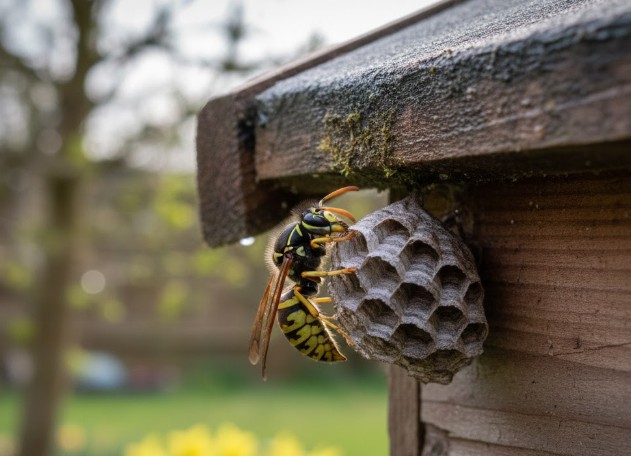
During winter, only the fertilised queen survives, hibernating in sheltered locations like bark, roof spaces, or compost heaps. When spring temperatures rise in April or May, she becomes active and starts looking for a safe, dry place to build a new nest.
She begins construction using chewed wood mixed with saliva — forming the familiar papery nest structure. Once the first generation of worker wasps matures (within a few weeks), they take over nest-building duties while the queen continues to lay eggs.
Where Do Wasps Build Nests?
In the UK, wasps are opportunistic and adaptable. Common nesting spots include:
-
Loft spaces and roof eaves
-
Garden sheds and garages
-
Wall cavities or under decking
-
Bird boxes or compost bins
They prefer dry, undisturbed, enclosed areas that are sheltered from wind and rain.
How Fast Do Wasp Nests Grow?
A wasp nest starts off very small — roughly the size of a golf ball — but can expand rapidly. By midsummer, some nests can house over 5,000 wasps. You may not even notice a nest in spring, but by July or August, wasp numbers and activity can become overwhelming.
What are the Signs That a Wasp Nest Is Being Built?
Early detection is key. You might notice:
-
Increased wasp activity in and out of a particular hole or roof edge
-
Buzzing sounds from within a wall or loft
-
Small papery structures forming near entry points
-
Chewed wood on fences or garden furniture (used for nest material)
If you notice these signs in April or May, the nest is likely in early stages and easier to control.

What Happens to a Wasp Nest in Autumn?
From September, the queen stops laying eggs, and the colony begins to decline. New queens are produced and fly off to hibernate, while the remaining worker wasps die out by October.
By winter, nests are completely inactive and will not be reused the following year.
Can You Prevent Wasps From Nesting?
Yes, prevention in early spring is key to avoiding a full-blown infestation. Here’s what you can do:
-
Seal small holes or gaps in lofts, sheds, and eaves
-
Inspect previous nesting areas (wasps may favour the same conditions)
-
Limit food sources outdoors, including bins and sugary drinks
-
Install fine mesh over vents and air bricks
Once a nest is active and populated, professional removal is often safest. Are they really distrube you more, then removal of wasp is the only solution.
What Should You Do If You Discover a Nest?
If the nest is small and early in development, you may consider DIY options like wasp sprays or foams. However:
-
Avoid disturbing large or active nests.
-
Keep children and pets away.
-
Contact a licensed pest control service for safe and effective removal — especially in lofts, walls, or other confined spaces.
Attempting to remove a mature nest without protection can result in multiple stings.

Conclusion
In the UK, wasps typically begin building nests in April or May, following the queen’s emergence from hibernation. The nest then grows rapidly through summer, peaking in activity around July and August. By October, most nests die off naturally.
Knowing when and where wasps build nests allows you to take early action — preventing larger problems later in the season. Whether through regular inspections, sealing entry points, or calling pest control early, staying alert in spring makes a real difference in keeping your home and garden wasp-free.
What are FAQs about When Do Wasps Build Nests in the UK?
1. When is the earliest wasps start nesting?
Some queens become active in March, but most nesting starts in April or May.
2. Do wasps use the same nest every year?
No, nests are never reused. Each nest is abandoned by late autumn.
3. How long does it take for a wasp nest to get big?
Within 6–8 weeks of the queen starting, a nest can support hundreds of wasps.
4. Can I remove an old nest in winter?
Yes. Once the colony is dead (typically by November), old nests can be safely removed.
5. Why are wasps so aggressive in late summer?
By late August, food becomes scarce and the workers become more erratic and protective of the nest.

Home Diagnostics and Technical Standards Specialist at Hello Mag. She provides high-level Expertise in appliance mechanics and scientific pest management, ensuring every guide follows strict safety protocols and manufacturer standards. As a leading Authority on technical home specs, Kanimozhi audits complex data to provide homeowners with the most accurate, verified, and reliable diagnostic solutions available.
0 Comments