
- The Short Answer:
- Is It Safe To Use Washing Up Liquid On All Plants?
- What Are The Risks Of Using Dishwater In The Garden?
- Can You Use Washing Up Water On Vegetable Patches?
- How To Collect And Store Washing Up Water Correctly?
- Which Plants Should You Avoid Watering With Dishwater?
- Expert Tips For Long-Term Success
- Conclusion: Sustainable Gardening On A Budget
- What are the FAQ About Can You Use Washing Up Water To Water Plants?
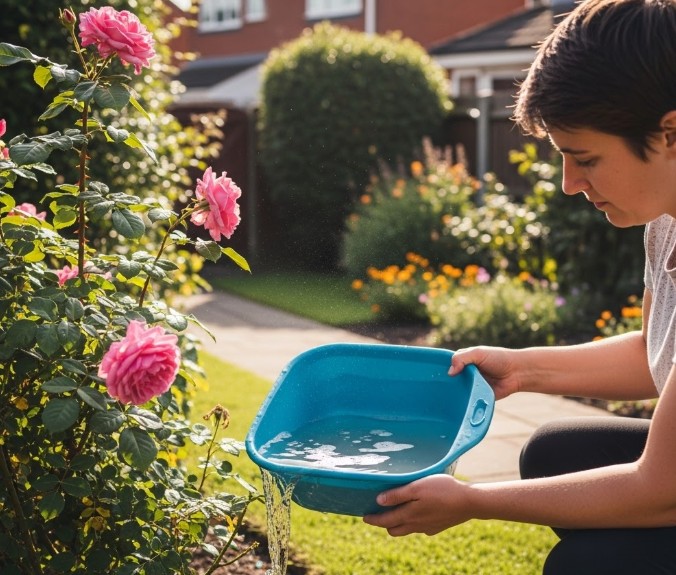
Can you use washing up water to water plants? I’ve spent years hauling plastic bowls from my kitchen sink to my parched hydrangea borders during UK hosepipe bans—here is the manual-free way I save my garden without spending a penny on extra utilities.
When the summer heat hits and the water companies start sending those warning texts, your washing-up bowl becomes your garden’s best friend, provided you know the expert “golden rules” of grey water usage.
The Short Answer:
Yes, you can use washing up water to water plants including established shrubs, fruit trees, and most hardy ornamentals. To ensure garden safety, follow these four criteria:
- Use Eco-Friendly Soap: Choose plant-based detergents (like Ecover or Method).
- Target the Base: Always pour water directly onto the soil, never the leaves.
- Avoid Acid-Lovers: Do not use on blueberries, azaleas, or rhododendrons.
- Use Fresh: Apply the water to your garden within 24 hours of collection.
Is It Safe To Use Washing Up Liquid On All Plants?
One of the most common questions I get from budget-conscious gardeners is whether the soap itself will kill their prize-winning roses. In short: no, but the type of soap matters immensely.
Most modern UK washing-up liquids are highly diluted by the time they reach your garden, but “Information Gain” research suggests that certain ingredients can still be problematic over time.
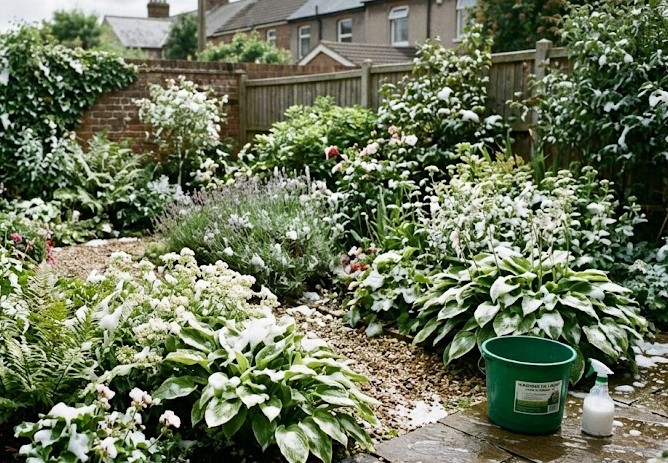
Why Does The Type Of Detergent Matter? Traditional detergents like standard Fairy Liquid contain sodium (salt) to help with the cleaning process. While a small amount won’t hurt, consistent use can lead to “sodium toxicity” in the soil. If you are planning to make this a permanent habit, switching to eco-friendly brands is a game-changer. These are typically plant-based and lack the harsh phosphates and boron found in some heavy-duty cleaners.
Safe Watering Reference Table
| Plant Type | Safe for Grey Water? | Recommended Frequency |
|---|---|---|
| Established Shrubs (Roses, Buddleia) | Yes | Every other watering |
| Ornamental Flowers (Geraniums) | Yes | Regularly |
| Leafy Greens (Lettuce, Spinach) | Caution | Use at base only |
| Acid-Lovers (Blueberries, Camellias) | No | Never |
| Fruit Trees (Apple, Pear) | Yes | Regularly |
| Root Veg (Carrots, Potatoes) | Caution | Use at base only |
What Are The Risks Of Using Dishwater In The Garden?
While it’s a brilliant way to save money, you can’t just throw soapy water around blindly.
Can Soapy Water Damage Your Soil Structure? In many parts of the UK, particularly the South East, we deal with heavy clay soil. Soap acts as a surfactant, which can actually help water penetrate dry, “hydrophobic” soil initially.
However, long-term use of high-sodium dishwater can cause clay particles to disperse, leading to a “capped” soil surface that prevents air and water from reaching roots.
The “Leaf Scorch” Risk I have seen many beginners make the mistake of splashing soapy water over the foliage. Under the UK sun, those soap bubbles can act like tiny magnifying glasses, leading to leaf scorch. Always aim your pour at the base of the plant, never the leaves.
Can You Use Washing Up Water On Vegetable Patches?
This is where you need to be most careful. I always tell my readers: “If you’re going to eat it, be picky about what you feed it.”
Is It Dangerous To Water Edible Crops With Grey Water? Using dishwater on fruit trees (apples, plums, cherries) is perfectly safe because the fruit is high up and far from the soil. However, for “low-contact” crops like lettuce or strawberries, there is a small risk of bacterial contamination from food particles in the water.
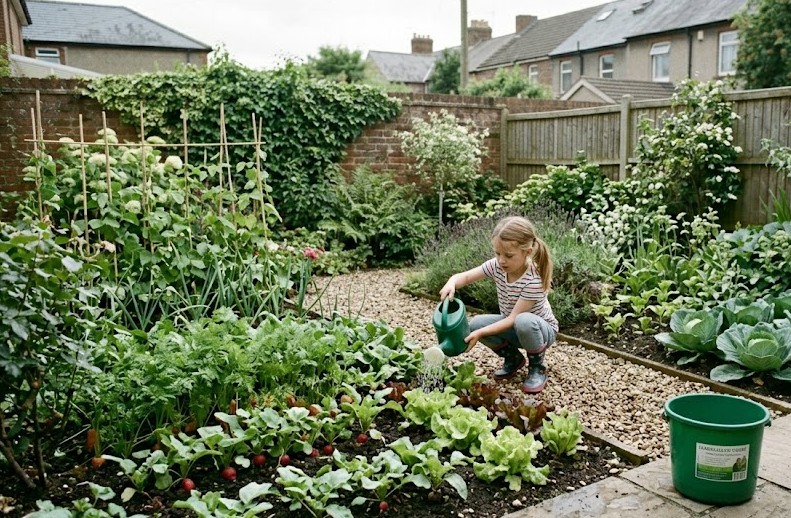
Pro-Tip 1: The “Rinse Rule” For Home-Grown Produce If you must use grey water on your veg patch, only use it on crops that will be thoroughly peeled or cooked (like potatoes) or ensure you use a dedicated “mains water rinse” 48 hours before harvesting to clear any residual salts.
How To Collect And Store Washing Up Water Correctly?
Efficiency is key, but safety comes first. I never recommend leaving a bowl of grey water sitting in the sun for days.
Why Should You Never Store Grey Water For More Than 24 Hours? Grey water is a breeding ground for bacteria. In the warmth of a UK summer, a bowl of water containing food scraps and grease can develop Legionella or Salmonella surprisingly quickly. My rule is simple: Collect it, cool it, and use it within 24 hours.
Pro-Tip 2: The Sieve Method For Clean Soil Keep a cheap, fine-mesh sieve specifically for the garden. When you’re ready to take your bowl outside, pour it through the sieve into your watering can. This catches “fatty build-up” (bits of pasta, grease, or sauce) that would otherwise rot on top of your soil and attract pests like slugs or even rats.
Which Plants Should You Avoid Watering With Dishwater?
Not every plant enjoys a soapy bath. Some of our UK garden favourites are particularly sensitive.
Which UK Garden Favorites Hate Alkaline Grey Water? Most washing-up liquids are slightly alkaline. This is bad news for “Ericaceous” plants. If you have Blueberries, Camellias, Azaleas, or Rhododendrons, keep the dishwater far away.
They require acidic soil, and the salts in grey water will quickly cause their leaves to turn yellow (chlorosis). I also avoid using grey water on very young seedlings, as their delicate root systems can’t handle the salt concentration.
Expert Tips For Long-Term Success
To keep your garden thriving through a drought, you need a strategy.
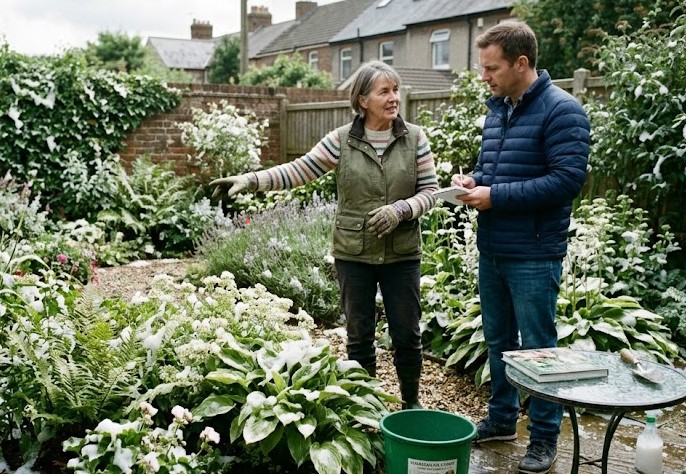
Pro-Tip 3: The “Mains Water Rotation” Strategy To prevent a build-up of salts (which can make the soil toxic over months), never use grey water exclusively. I recommend a “2:1 Rotation”—two waterings with grey water followed by one thorough soaking with fresh rainwater or mains water. This “flushes” the soil and keeps the pH balanced.
The Statistics: Why Water Recycling Matters The average UK household uses about 140 litres of water per person, per day. By recycling just your daily washing-up water, you can save upwards of 2,000 litres of water over a single summer. For a budget gardener, that’s a significant saving on a metered bill.
Conclusion: Sustainable Gardening On A Budget
Using washing-up water isn’t just a “drought hack”; it’s a sustainable habit that aligns with modern eco-friendly gardening.
By choosing the right soaps, avoiding sensitive plants, and using the “Sieve Method,” you can keep your garden lush and green without breaking the bank or the environment. It is the most effective way to answer the common dilemma: can you use washing up water to water plants?
What are the FAQ About Can You Use Washing Up Water To Water Plants?
1. Can I Use Water From The Dishwasher?
No. I strongly advise against this. Dishwasher detergents are much more caustic and contain higher levels of salts and bleaching agents than manual washing-up liquids. They can be genuinely toxic to soil life.
2. Does Washing Up Liquid Kill Aphids?
While many gardeners use a dilute soapy spray to tackle aphids, the water in your washing-up bowl is usually too diluted (and potentially too greasy) to be an effective pest controller. Stick to a dedicated soap-spray recipe for pests.
3. Is It Legal To Use Grey Water During A UK Hosepipe Ban?
Yes! Hosepipe bans restrict the use of mains water through a hose. Carrying a bucket or bowl of recycled “grey water” is completely legal and a great way to stay within the rules while keeping your plants alive.
4. Will My Vegetables Taste Like Soap?
If you water at the base and wash your produce before eating, you won’t taste a thing. The plants filter the water through their root systems; they don’t “inhale” the soap bubbles into the fruit.
This guide was written to help UK gardeners navigate water restrictions safely. For more budget gardening tips, check our latest seasonal guides on hellomag.co.uk.

Home Diagnostics and Technical Standards Specialist at Hello Mag. She provides high-level Expertise in appliance mechanics and scientific pest management, ensuring every guide follows strict safety protocols and manufacturer standards. As a leading Authority on technical home specs, Kanimozhi audits complex data to provide homeowners with the most accurate, verified, and reliable diagnostic solutions available.
0 Comments