
- What You Need to Know Before You Start?
- How to Clean Smoke Off Walls and Ceilings: Step-by-Step
- How to Get Rid of Smoke Smell After Cleaning?
- Can You Paint Over Smoke-Damaged Walls?
- When Should You Call a Professional?
- What are the Key Tools & Products for UK Homeowners?
- Conclusion
- What are the FAQs About How to Clean Smoke Off Walls?
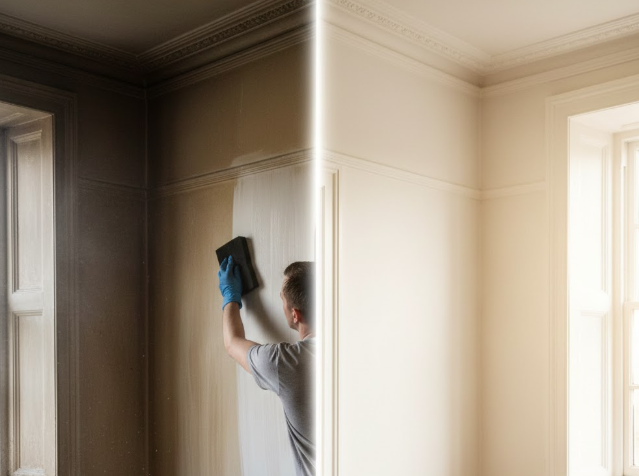
Smoke-stained walls and ceilings can make your space feel dingy and smell unpleasant. Whether it’s from cigarettes, candles, or a one-time kitchen mishap, knowing how to clean smoke off walls and ceilings can restore your home’s freshness and visual appeal.
This guide walks you through effective, safe, and UK-friendly methods to remove smoke damage thoroughly.
What Is Smoke Damage?
Smoke damage is more than just discolouration. It consists of soot, nicotine residue, and oily particles that cling to walls and ceilings. If left untreated, these can permanently stain paint, create odours, and potentially affect your indoor air quality.
Smoke particles also rise with heat, so ceilings and upper wall areas often bear the brunt of the damage. That’s why understanding how to clean smoke damage on walls and ceilings is essential for proper home care.
What You Need to Know Before You Start?
Protective Gear
Before cleaning, be sure to wear:
-
Nitrile or latex gloves
-
Safety goggles
-
A mask or respirator (especially with ammonia or TSP)
How To Prepare the Room?
-
Open windows and doors to ventilate the space.
-
Lay down plastic sheets or drop cloths to protect flooring and furniture.
-
Remove pictures, shelves, and anything attached to the walls.
How to Clean Smoke Off Walls and Ceilings: Step-by-Step
Let’s break down the cleaning process using proven, effective techniques. Always start with dry cleaning before moving to liquids to avoid smearing soot deeper into the surface.
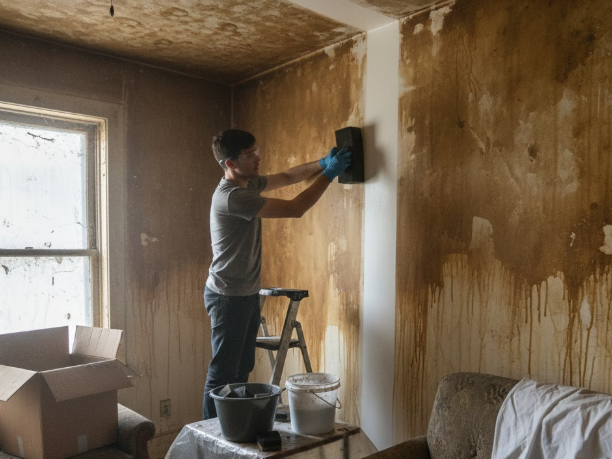
Step 1: Dry Cleaning Sponge (Chemical Sponge)
Use this before any liquids:
-
Gently wipe walls and ceilings in straight downward strokes.
-
Don’t scrub in circles — it pushes the soot further in.
-
Replace sponge sides as they get dirty.
Step 2: Vacuuming
Attach a soft-bristle brush to your vacuum:
-
Run it lightly across the surface to lift loose soot.
-
Ideal for textured ceilings or stubborn corners.
Step 3: Wet Cleaning Solutions
Here are some effective cleaners based on the severity of the damage:
| Solution | Best For | Application Tip |
|---|---|---|
| Vinegar + Warm Water (1:1) | Light smoke stains | Cuts through odours and minor soot |
| Sugar Soap | General UK household use | Available in UK stores, great for walls |
| Trisodium Phosphate (TSP) | Heavy smoke damage | Use gloves and goggles; rinse well |
| Ammonia + Water (1:4) | Cigarette & tar stains | Ventilate heavily; never mix with bleach |
Step 4: The Correct Cleaning Technique
- Start from the ceiling and work downward.
- Wipe in vertical sections about 1 metre wide.
- Rinse your cloth or sponge frequently with clean water.
- Let each section dry fully before inspecting or repeating.
Tip: Use a white cloth — it shows how much soot you’re removing.
How to Get Rid of Smoke Smell After Cleaning?
Even if your walls look clean, lingering odours can still remain. Here’s what you can do:
Natural Deodorisers
-
Bowls of white vinegar or baking soda absorb airborne smells.
-
Activated charcoal works especially well in closed rooms.
Air Circulation
-
Use standing fans or air purifiers with HEPA filters.
-
Replace HVAC filters if you have a central system.
Can You Paint Over Smoke-Damaged Walls?
You can, but only after thorough cleaning and priming. Otherwise, stains and smells will resurface.
What are the Painting Tips?
-
Use a shellac-based stain-blocking primer (e.g., Zinsser B-I-N).
-
After the primer dries, paint with washable, low-VOC emulsion.
-
Always test a small patch to check for bleed-through.
When Should You Call a Professional?
Sometimes, DIY isn’t enough. Consider a professional if:
-
The smoke damage is from a fire.
-
Ceilings are textured or hard to reach.
-
Odours persist despite multiple treatments.
-
You’re dealing with delicate surfaces or heritage paintwork.
What are the Key Tools & Products for UK Homeowners?
Here’s a quick table of useful tools and where you might find them:
| Product | Use | Where to Buy |
|---|---|---|
| Dry Cleaning Sponge | Removes soot without smearing | Screwfix, Amazon |
| Sugar Soap | General wall cleaner | B&Q, Wilko |
| Odour-Blocking Primer | Before painting | Dulux Decorator Centre |
| White Vinegar | Natural deodoriser & cleaner | Tesco, Asda |
| Activated Charcoal | Air purification | Lakeland, online retailers |
Conclusion
Tackling how to clean smoke off walls and ceilings may seem overwhelming at first — but with the right prep, products, and methods, you’ll make your home feel fresher, look brighter, and even extend the life of your paintwork.
Don’t rush it. Take your time, be thorough, and if in doubt — especially with heavy smoke damage — call in the pros. You’ve got this.
What are the FAQs About How to Clean Smoke Off Walls?
1. How long does it take to clean smoke off walls?
Light damage may take 2–3 hours. Heavier or whole-room smoke stains could take a full day or more.
2. What’s the safest solution to use on painted walls?
Vinegar and warm water is gentle and effective. For washable paint, sugar soap is widely used in the UK.
3. Will steam cleaners work?
Yes, especially on washable painted walls and tiles. But avoid using them on porous or plastered surfaces.

Home Diagnostics and Technical Standards Specialist at Hello Mag. She provides high-level Expertise in appliance mechanics and scientific pest management, ensuring every guide follows strict safety protocols and manufacturer standards. As a leading Authority on technical home specs, Kanimozhi audits complex data to provide homeowners with the most accurate, verified, and reliable diagnostic solutions available.
0 Comments