
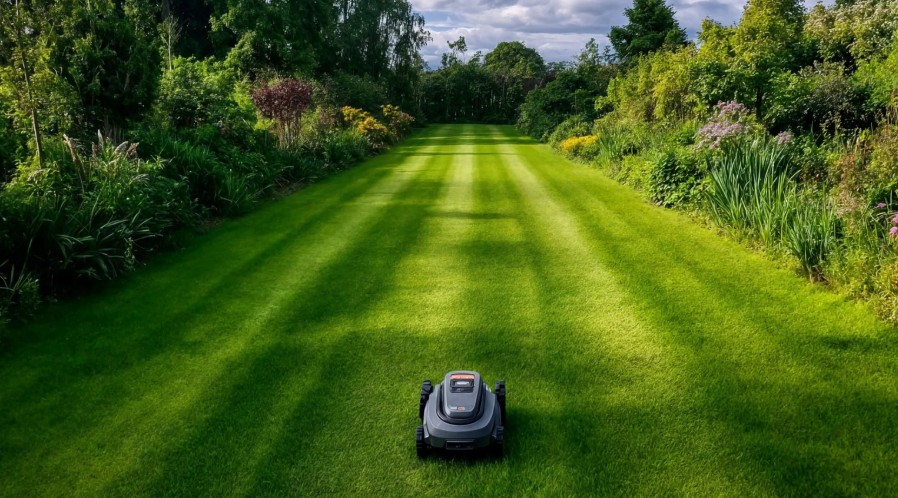
- Introduction: My Journey to Lawn Striping Success
- How to Get Stripes in Lawn and What Causes Lawn Stripes?
- What Tools Do You Need to Get Lines in Lawn?
- Lawn Stripe Tool Comparison Table
- What are the Best Ways on How to Get Lines in Lawn?
- What are the Tips for Advanced Stripe Patterns?
- How to Stripe Lawn Without Roller?
- What are the Maintenance Tips to Keep Those Lines Look Sharp?
- What are the Common Mistakes to Avoid?
- Conclusion: My Best Tips for a Lawn That Turns Heads
- What are the FAQs On How To Get Lines in Lawn?
Introduction: My Journey to Lawn Striping Success
There’s something incredibly satisfying about standing back and admiring a lawn with crisp, bold stripes.
Like many homeowners in the UK, I used to think perfectly striped lawns were only for football pitches or stately homes. But with the right tools and a bit of know-how, I discovered how to get lines in lawn that rival those seen in magazines.
In this guide, I’ll walk you through everything I’ve learned — from the science behind lawn stripes, to the step-by-step process of creating stunning patterns. Whether you’re a beginner or looking to sharpen your mowing technique, this post has got you covered.
How to Get Stripes in Lawn and What Causes Lawn Stripes?
When I first wondered how to get stripes in lawn, I assumed it was about using a fancy mower. But actually, it’s all about light and direction.
- Grass blades bend when mowed.
- Stripes appear because light reflects differently off blades bent in opposite directions.
- The light stripes are blades bent away from you; dark stripes are blades bent towards you.
So, the trick lies in bending grass consistently — and that’s where the right mower and mowing technique come in.
What Tools Do You Need to Get Lines in Lawn?
Creating stripes isn’t just about pushing any mower around. Here’s what I use and recommend:
What are the Essential Mowers and Attachments?
| Tool | Purpose | Recommendation |
| Lawn mower with rear roller | Bends grass in direction of mowing | Hayter, Flymo roller mowers |
| Striping kit | Alternative to roller | Available for rotary or cylinder mowers |
| Cylinder mower | Best for fine lawns | Ideal for clean, professional stripes |
What are the Other Helpful Tools to get stripes in lawn?
- String or garden marker – helps maintain straight lines
- Sharp mower blades – dull blades tear grass, weakening the pattern
- Lawn edger or strimmer – for finishing touches along borders
Tip: You don’t need to spend a fortune – even a DIY roller made from a sand-filled pipe can help stripe your lawn!
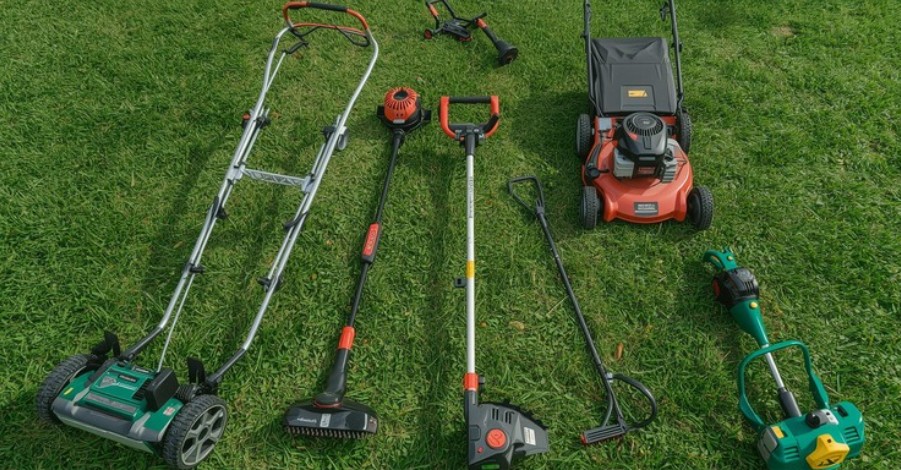
Lawn Stripe Tool Comparison Table
| Tool | Effectiveness | Budget | Best For |
| Rear Roller Mower | ⭐⭐⭐⭐⭐ | Medium–High | Clean, bold stripes |
| Striping Kit | ⭐⭐⭐ | Low–Medium | DIY and beginners |
| Cylinder Mower | ⭐⭐⭐⭐ | High | Fine, ornamental lawns |
| Manual Roller | ⭐⭐ | Low | Minor enhancement |
What are the Best Ways on How to Get Lines in Lawn?
Here’s how I transformed my plain patch of green into a striped showpiece:
Step 1: Prepare the Lawn
- Mow only when the grass is dry
- Remove debris, stones, and sticks
- Water if the weather’s been too dry
Step 2: Set Up Your Mower Correctly
- Adjust blade height to around 20–40mm
- Make sure the roller or kit is clean and functional
- Sharpen your blades for a clean cut
Step 3: Start Mowing in Straight Lines
- Choose a focal point at the far end of your lawn
- Begin mowing straight across
- Slightly overlap each stripe for an even look
- Alternate directions with each pass to get the light-dark effect
Step 4: Edge and Finish
- Use a trimmer to sharpen borders
- Avoid turning the mower sharply at stripe ends (this can damage the grass)
What are the Tips for Advanced Stripe Patterns?
Once I mastered straight lines, I experimented with more creative patterns. Here’s what worked for me:
- Checkerboard: Mow stripes, then mow again at a 90° angle
- Diagonal lines: Follow the same method, just angled
- Diamond pattern: Combine diagonal checkerboards
- Borders: Mow a final pass around the edges to frame your design
Keep the pattern fresh by changing directions each week to avoid turf wear.
How to Stripe Lawn Without Roller?
Not everyone has a roller mower — I didn’t when I started. Here’s how I got lawn stripes without one:
- Use a standard rotary mower, and mow in alternating directions
- Weigh down the back of the mower with a DIY striping kit (like a rubber flap or broom)
- Roll the lawn afterwards using a water-filled garden roller or a home-made solution like a barrel or sandbag
While the results won’t be as dramatic as a roller mower, you’ll still see subtle stripes.
What are the Maintenance Tips to Keep Those Lines Look Sharp?
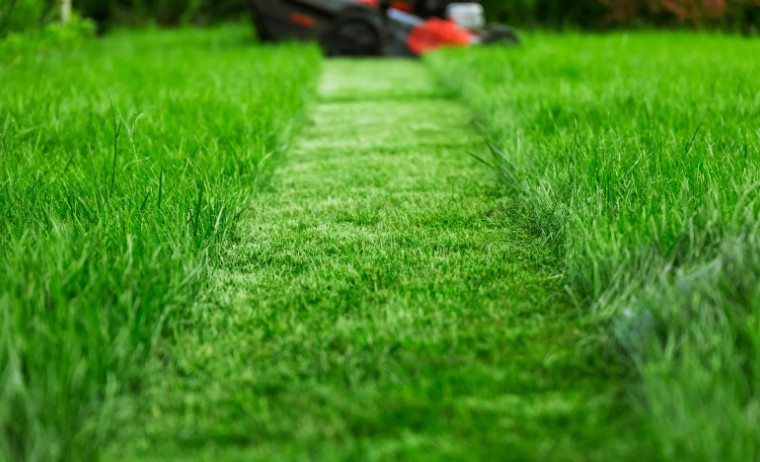
Striping isn’t a one-time job — regular care keeps the lawn healthy and the stripes vivid.
- Mow regularly (once a week in growing season)
- Water in dry spells
- Apply a seasonal lawn feed for stronger, greener grass
- Aerate in spring/autumn to improve root health
- Scarify to remove thatch and moss
What are the Common Mistakes to Avoid?
When I first began, I made all the rookie mistakes. Here are a few to dodge:
- Cutting grass too short — weakens it and ruins the look
- Mowing when wet — leaves clumps and smudges stripes
- Dull blades — tear the grass instead of cutting cleanly
- Not overlapping — leads to uneven stripe width
Conclusion: My Best Tips for a Lawn That Turns Heads
Striping your lawn isn’t rocket science, but it does take practice and care. From understanding how light affects grass to choosing the right mower, it’s a rewarding process.
To recap:
- Use a roller mower or DIY solution
- Mow consistently and follow a pattern
- Care for your grass — healthy lawns make better stripes
Whether you’re mowing for curb appeal or just personal satisfaction, knowing how to get lines in your lawn adds pride and character to your outdoor space.
What are the FAQs On How To Get Lines in Lawn?
1. How long do lawn stripes last?
They typically last until your next mow, but healthy grass holds a pattern better.
2. Can any mower make stripes?
Technically yes — but mowers with rear rollers or a striping kit make it much easier.
3. What’s the best grass for lawn striping in the UK?
Ryegrass and fine fescues respond best to striping due to their stiffness and colour.
4. Can robot mowers create stripes?
Not usually — most robot mowers mow randomly. Some premium models mow systematically but lack rollers.

Home Diagnostics and Technical Standards Specialist at Hello Mag. She provides high-level Expertise in appliance mechanics and scientific pest management, ensuring every guide follows strict safety protocols and manufacturer standards. As a leading Authority on technical home specs, Kanimozhi audits complex data to provide homeowners with the most accurate, verified, and reliable diagnostic solutions available.
0 Comments