
- Why Should I Level My Garden in the UK?
- What Tools and Materials Do I Need for Garden Levelling?
- How Do I Plan Before Starting to Level the Garden?
- Step-by-Step Guide: How to Level a Garden?
- How to Level a Garden Without a Digger?
- How Do I Know If the Garden Is Properly Levelled?
- Should I Re-Turf or Seed After Levelling?
- What Are the Common Mistakes When Levelling a Garden?
- How Much Does It Cost to Level a Garden in the UK?
- Can I Level a Garden by Myself or Should I Hire Help?
- Final Thoughts – My Experience with Garden Levelling
- Frequently Asked Questions (FAQs) On How to Level a Garden
Levelling a garden might sound like a daunting task, but after doing it myself, I found that it’s entirely manageable with the right plan and tools.
Whether you’re dealing with a sloping garden, bumpy patches, or poor drainage, I’ll walk you through exactly how to level a garden in the UK — based on my own hands-on experience.
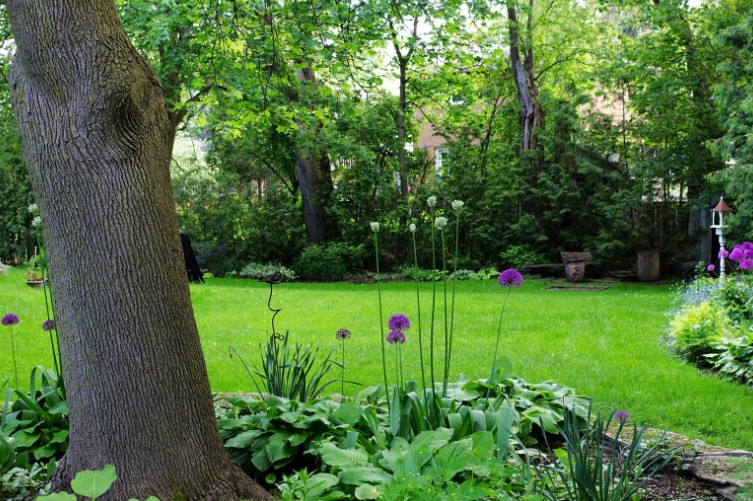
Why Should I Level My Garden in the UK?
Before I picked up a spade, I had to ask myself: why even level a garden? In the UK, where we get our fair share of rain and variable soil types, an uneven garden can lead to:
- Water pooling in low areas
- Difficulties laying patios, sheds, or lawns
- Unsafe or awkward outdoor space
Level gardens are not just more practical; they also improve aesthetics and increase property value.
I personally wanted a level area for my children to play safely and to install a small patio — and fixing my garden’s drainage issues was a bonus.
What Tools and Materials Do I Need for Garden Levelling?
Getting the right tools upfront made the job much smoother. Here’s what I used (and what you might consider):
Essential Garden Levelling Tools:
- Spade or Shovel – for digging and shifting soil
- Turf Cutter – if you’re removing grass
- Landscape Rake – helps in evenly spreading and levelling soil
- Garden Roller – to compact the top layer
- Spirit Level or String Line – for checking accuracy
- Wheelbarrow – to move soil or turf
- Topsoil – for filling dips and levelling the surface
- Garden Hose – for lightly moistening the soil during compaction

Table: Tool Checklist (Budget vs Premium Options)
| Tool | Budget Option (£) | Premium Option (£) |
| Spade/Shovel | 10 – 20 | 30 – 50 |
| Turf Cutter Rental | 30/day | 50/day |
| Landscape Rake | 15 – 25 | 35 – 60 |
| Spirit Level | 10 – 15 | 25 – 40 |
| Garden Roller | 25 – 40 | 60 – 100 |
How Do I Plan Before Starting to Level the Garden?
I learned quickly that planning makes all the difference. Here’s how I prepared:
- Measured the slope using a string line and spirit level
- Marked reference points with stakes and string
- Decided whether I needed retaining walls (I didn’t, but sloped gardens might)
Proper planning also helped me determine how much topsoil I’d need and whether water would flow away from my house — drainage is key.
Step-by-Step Guide: How to Level a Garden?
This is where the actual phase started. I split it down into quite easier, manageable steps.
Step 1: Remove Existing Turf or Grass
Using a turf cutter, I stripped away the existing lawn. You can also use a spade, but it’s more labour-intensive. I rolled up the turf and reused some in other parts of my garden.
Step 2: Measure the Area and Set Reference Points
I used pegs and string lines to create a grid across the garden, making it easier to visualise the high and low spots. This helped keep everything level and accurate.
Step 3: Adjust the Soil – Fill or Remove as Needed
I dug away soil from high areas and moved it to the lower patches. Where that wasn’t enough, I added topsoil to even it out. I used a wheelbarrow to move everything efficiently.
Step 4: Spread and Compact the Topsoil
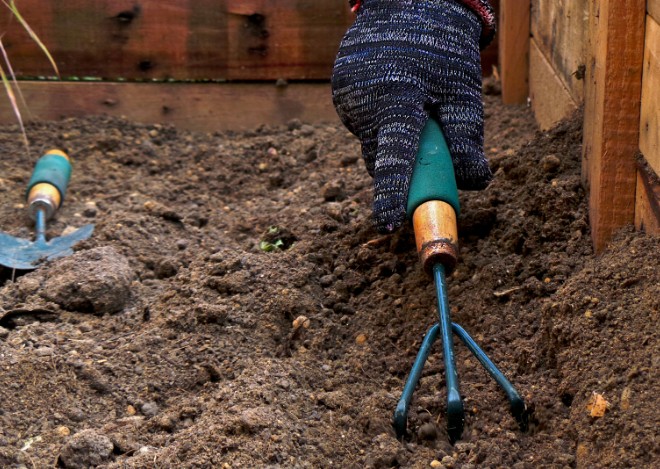
Using a rake, I spread the topsoil evenly. Then I lightly watered the soil and used a garden roller to compact it, repeating the process twice for a firm, level base.
Step 5: Ensure Proper Drainage
I made sure the garden had a slight gradient (about 1–2% slope away from the house) to encourage water runoff. Garden grading is essential, especially in rainy UK climates.
Step 6: Rake and Level the Surface
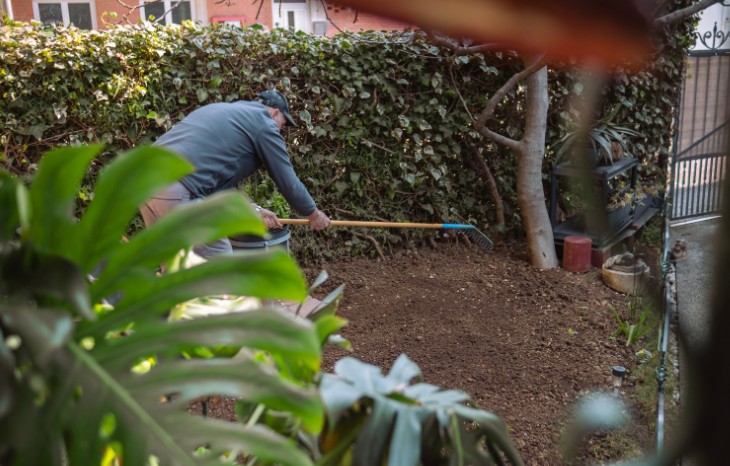
Finally, I raked the surface smooth, checked levels again using a spirit level, and made small adjustments where needed.
Key Dos and Don’ts:
- Do check drainage before you start
- Do compact the soil in layers
- Don’t skip measuring and marking
- Don’t add too much topsoil without compacting
Table: Soil Depth Guidelines
| Garden Use | Minimum Soil Depth |
| Lawn (grass) | 10 – 15 cm |
| Flower beds | 20 – 30 cm |
| Vegetable patches | 30 – 40 cm |
How to Level a Garden Without a Digger?
When I first started this project, I didn’t have access to a mini digger — nor did I want to rent one due to cost and the logistics of getting it into my small garden.
So, if you’re wondering how to level a garden without a digger, here’s exactly how I did it:
Manual Levelling Tools I Used:
-
Shovel – for digging and removing soil
-
Pickaxe – handy for breaking compacted ground
-
Wheelbarrow – to transport soil from high spots to low ones
-
Rake – for spreading and smoothing
-
Garden roller – to compact manually
-
String line and stakes – to check level visually
My Process Without a Digger:
-
Marked high and low areas using pegs and string
-
Dug out high points with a spade, broke up compacted areas with a pickaxe
-
Moved excess soil using a wheelbarrow and filled in the dips
-
Spread topsoil across the surface and compacted in layers
-
Repeated the process slowly over a few weekends
It was more labour-intensive, but completely doable for a medium-sized garden. I saved hundreds of pounds by not hiring machinery, and honestly, the sense of achievement was worth the sweat!
Tip: If you’re working on a slope or larger area, break the job into small zones and level each one before moving on.
How Do I Know If the Garden Is Properly Levelled?
After raking and compacting, I used a spirit level on a straight plank to test different sections. You could also use a laser level if you’re aiming for precision.
If water pools after a light rain, it’s a sign of uneven spots that may need another layer of soil and compaction.
Should I Re-Turf or Seed After Levelling?
I had to decide between laying turf or sowing grass seed. Here’s how I approached it:
- Turf: Instant results, but more expensive
- Seed: Cheaper and easier to apply, but takes longer
I opted for turf in high-traffic areas and seed in others. Either way, water consistently and avoid walking on it for at least 2–3 weeks.
What Are the Common Mistakes When Levelling a Garden?
Here’s what I almost got wrong — and how I avoided it:
- Skipping drainage planning – water pooling can ruin your work
- Using poor-quality topsoil – always go for screened topsoil
- Not compacting properly – loose soil sinks and creates dips
- Levelling without marking reference points
Avoiding these saved me time and rework later.

How Much Does It Cost to Level a Garden in the UK?
The cost depends on garden size, soil needs, and tools. Here’s a rough idea:
Table: Estimated DIY Garden Levelling Costs
| Item/Service | Estimated Cost (UK) |
| Topsoil (per m³) | £40 – £80 |
| Turf Cutter Rental | £30 – £50/day |
| Tools (buy or rent) | £60 – £120 |
| Grass Seed or Turf | £20 – £100+ |
| Optional Labour Help | £100 – £300 |
Doing it myself saved a lot, but it took 2–3 weekends of effort.
Can I Level a Garden by Myself or Should I Hire Help?
If your garden is mildly uneven and you’re comfortable with manual work, it’s totally doable on your own. I did it solo with the help of some hired tools and a few YouTube tutorials.
For heavily sloped gardens, hiring a professional landscaper might be wiser — especially if retaining walls, drainage systems, or large turfing areas are involved.
Final Thoughts – My Experience with Garden Levelling
Looking back, I’m really proud of the result. It was hard work, but seeing a neat, level garden with good drainage and healthy grass made it all worthwhile. If you’re wondering how to level a garden, I’d say: plan well, use the right tools, and take your time. It’s absolutely worth the effort.
Frequently Asked Questions (FAQs) On How to Level a Garden
1. Can I level my garden without removing the turf?
Yes, but it depends on how uneven your garden is. For small dips, you can top-dress with soil and reseed. For larger changes, removing the turf is more effective.
2. How long does it take to level a garden in the UK?
For a standard-sized garden (around 50–100m²), it can take 2–3 days for prep and levelling, plus additional time for turfing or seeding and letting the soil settle.
3. Do I need planning permission to level my garden?
In most cases, no — unless you are significantly altering the elevation or adding structures like retaining walls over a certain height.
4. What type of topsoil is best for levelling?
Use screened topsoil, which is free from debris and ideal for lawns. Look for soil with a mix of sand and loam for better drainage and root growth.
5. Is it better to level a garden in spring or autumn?
Both seasons are suitable. I did mine in spring, which allowed for strong grass growth. Autumn also works well due to moist soil and cooler temperatures.

Home Diagnostics and Technical Standards Specialist at Hello Mag. She provides high-level Expertise in appliance mechanics and scientific pest management, ensuring every guide follows strict safety protocols and manufacturer standards. As a leading Authority on technical home specs, Kanimozhi audits complex data to provide homeowners with the most accurate, verified, and reliable diagnostic solutions available.
0 Comments