
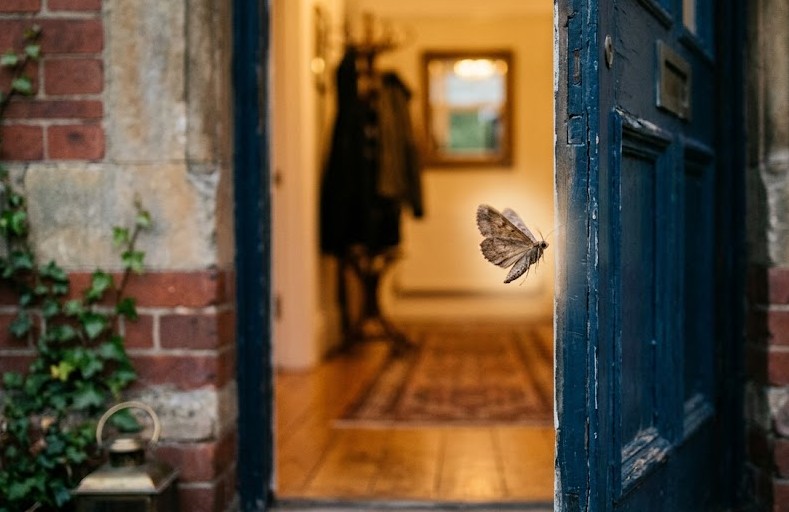
- 🦋 Why do I have small moths?
- Comparing The Culprits: Clothes Moths vs. Pantry Moths
- Why Do I Suddenly Have Moths In My House Out Of Nowhere?
- Identifying The Species: Why Do I Have Small Moths In My House?
- How Do Moths Actually Get Into A Sealed UK Property?
- Why Are They Attracted To My Specific Belongings?
- What Are The Telltale Signs Of A Hidden Moth Infestation?
- How Can I Get Rid Of Small Moths Permanently?
- Final Verdict: Don't Panic, Just Clean
- FAQ About Small Moths In The House
Why do I have small moths in my house? I’ve spent years helping homeowners reclaim their wardrobes from the tiny, fluttering terrors we call moths, and if there is one thing I’ve learned, it’s that they don’t care how clean your house is—they only care how tasty your carpets are.
I remember the first time I found a hole in my favourite cashmere jumper; I felt personally attacked, wondering, “Why do I suddenly have moths in my house when I’ve changed nothing?”
🦋 Why do I have small moths?
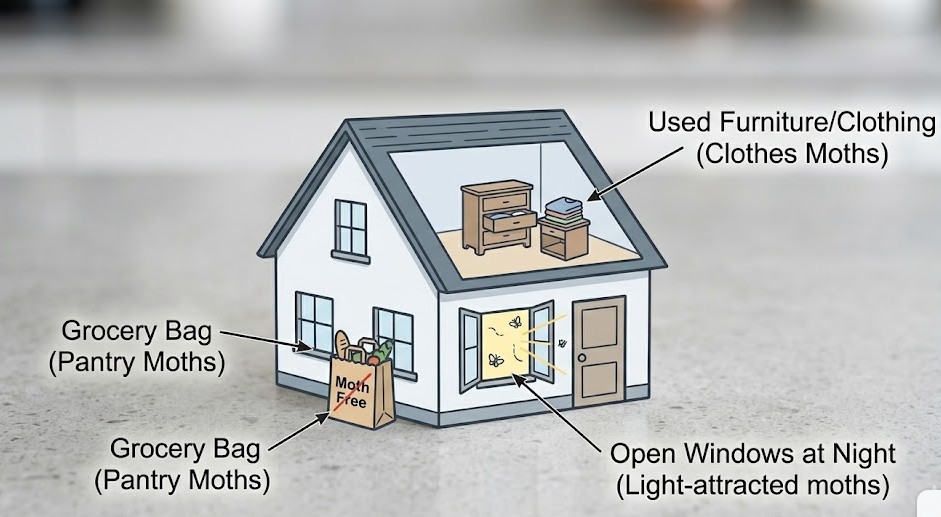
Small moths typically enter UK homes through open windows, chimneys, or by hitchhiking on second-hand clothing and vintage furniture.
They stay to feed on:
- Natural Fibers: Wool, silk, hair, or feathers (keratin).
- Dry Pantry Goods: Flour, grains, and cereals.
While they can be present year-round, sightings often peak during “moth season” (April to October) when warmer temperatures cause a rapid explosion in their population.
Comparing The Culprits: Clothes Moths vs. Pantry Moths
Before you start throwing away your knitwear, you need to know what you are fighting. Not all small moths are the same, and the solution for one won’t work for the other.
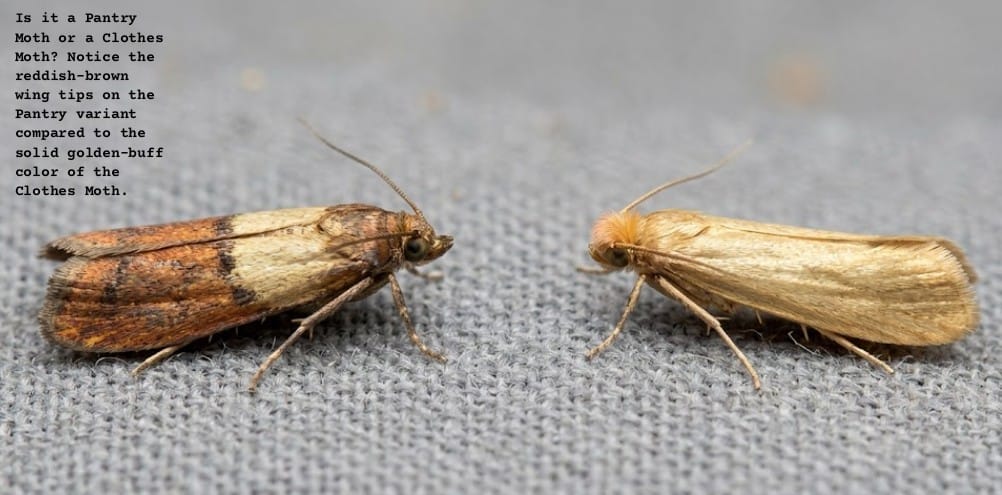
| Feature | Common Clothes Moth (Tineola bisselliella) | Indian Meal Moth (Pantry Moth) |
|---|---|---|
| Appearance | Pale gold/straw-coloured wings | Reddish-brown with a pale band |
| Size | Small (5mm – 8mm) | Slightly larger (8mm – 10mm) |
| Primary Food | Wool, Silk, Hair, Leather, Feathers | Flour, Grains, Dried Fruit, Pet Food |
| Location Found | Wardrobes, Under Sofas, Dark Corners | Kitchen Cupboards, Pantries, Bird Seed |
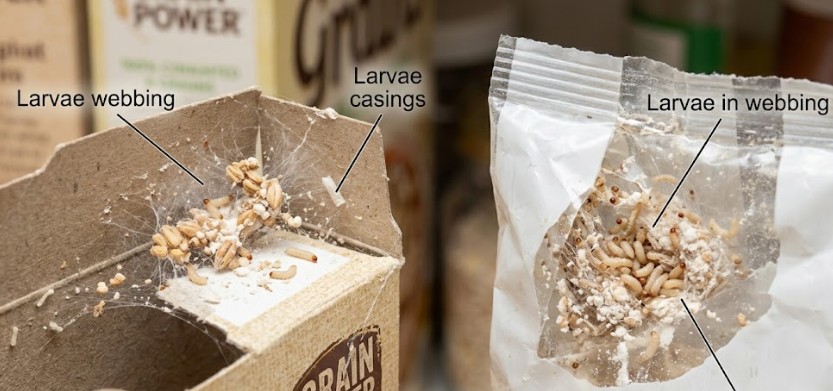
| Larvae Appearance | Tiny creamy caterpillars with brown heads | Larger “maggot-like” worms with webbing |
Why Do I Suddenly Have Moths In My House Out Of Nowhere?
It feels like an overnight invasion, doesn’t it? One day your home is peaceful, the next, three tiny brown triangles are zig-zagging across your TV screen. In my experience, “sudden” moth appearances are rarely random.
Usually, this happens due to a seasonal temperature spike. In the UK, we often see a “spring surge.” As soon as we turn the central heating down and the outside temperature hits 15°C, dormant larvae pupate and emerge as flying adults simultaneously.
Another common reason for a sudden influx is a hidden bird’s nest. If you have a chimney that hasn’t been swept or a nest under the eaves, moths thrive on the feathers and debris. When the birds fly the coop, the moths migrate downward into your living room looking for their next meal.
Kani’s Tip #1: The “Charity Shop Quaratine” I adore a vintage find, but second-hand items are the #1 way moths “hitchhike” into modern homes. Never, ever put a thrifted wool blazer or silk scarf directly into your wardrobe. Seal it in a bag and pop it in the freezer for 48 hours first. This kills the microscopic eggs that even a dry cleaner might miss.
Identifying The Species: Why Do I Have Small Moths In My House?
While there are thousands of moth species in the UK, only a handful want to live with you.
- The Common Clothes Moth: These are the golden-haired villains of the textile world. They hate light and will scuttle away if you move a rug.
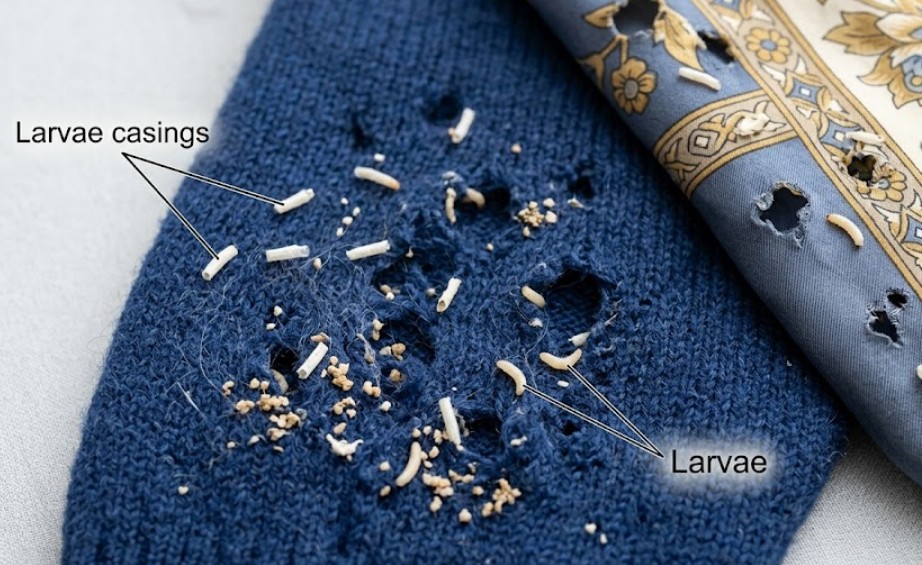
- The Case-Bearing Clothes Moth: These are fascinating but frustrating. The larvae build a little “case” around themselves made of the fiber they are eating. If you see what looks like a grain of rice crawling up your wall, that’s them.
- The White-Shouldered House Moth: These are less destructive to clothes but love to eat the “dust” in the corners of your rooms—which is actually mostly composed of human hair and skin cells.
- The Brown House Moth: Often found in skirting boards and kitchen corners, these are a common nuisance in older UK properties. If you suspect these are your primary guests, you can read our specific how to get rid of brown house moths guide for deep-dive eradication steps.
How Do Moths Actually Get Into A Sealed UK Property?
You might think your double-glazing keeps you safe, but moths are opportunistic.
- Under The Door: They are small enough to crawl under gaps in front doors, especially if you have a porch light that attracts them at night.
- Through The Chimney: Many older UK homes have open fireplaces. Moths living in soot and old nests will simply fly down the flue.
- On Your Pets: I’ve found that moths often “ride” in on long-haired dogs. The moth isn’t interested in the dog, but it uses the fur as a temporary transport.
- The “Vintage” Trap: As I mentioned, that beautiful 1950s rug you bought at the car boot sale could be carrying hundreds of “invisible” eggs.
Why Are They Attracted To My Specific Belongings?
It isn’t actually the adult moths that eat your clothes; they don’t even have mouths! It’s the larvae (the caterpillars). They need keratin, a structural protein found in animal fibres.
However, there is a “flavour” element involved. Larvae prefer “dirty” natural fibres. If a jumper has traces of sweat, skin oil, or a tiny food spill (like milk or juice), the moths will target that spot first because it provides the extra nutrients they need to grow.
Kani’s Tip #2: The “Sweaty Collar” Rule Before storing your winter woollens away for the summer, wash them—even if you only wore them once. Moths are much less likely to attack a clean cashmere jumper than one that has a faint scent of perfume or skin oils. Cleanliness is your best organic deterrent.
What Are The Telltale Signs Of A Hidden Moth Infestation?
If you see a moth flying, the damage is likely already done. You need to look for the “silent” signs:
- “Grazing” on Carpets: Look in the dark corners under your sofa or behind the radiator. If the pile of the carpet looks “shaved” or thin, moths have been feasting.
- Silken Tubes: Small, spider-web-like threads in the corners of your wardrobe or inside your drawers.
- Granular “Dust”: This is often mistaken for sand, but it is actually “frass”—the waste left behind by moth larvae.
- Irregular Holes: Unlike a snag, moth holes are usually clustered together and have ragged edges.
How Can I Get Rid Of Small Moths Permanently?
Getting rid of moths requires a “Search and Destroy” mission. You cannot simply spray a bit of lavender and hope for the best.
- Step 1: Identify the Source. Empty every cupboard. You are looking for the “epicentre” where the larvae are thickest.
- Step 2: Deep Vacuuming. Use the crevice tool to get into the gaps of the floorboards and the edges of the room. This is where the eggs hide. Empty the vacuum outside immediately.
- Step 3: The Heat/Cold Treatment. Wash everything at 60°C if the fabric allows. For delicate silks and woollens, freeze them for 48-72 hours.
- Step 4: Pheromone Traps. These won’t stop an infestation, but they are great for “monitoring.” If the trap stays empty, you’re winning. If it fills up, you still have a hidden source.
Kani’s Tip #3: The “Hidden Baseboard” Hack Most people stop cleaning at the carpet edge. But case-bearing moths love to hide their pupae behind the skirting boards. If you have a persistent problem, take a hairdryer to the gaps in your skirting boards on high heat. The blast of heat can kill eggs and larvae tucked deep where a vacuum can’t reach.
Final Verdict: Don’t Panic, Just Clean
Finding moths in your home doesn’t mean you are a “dirty” person; it means you have a home filled with high-quality natural materials that moths find delicious. By identifying the type of moth, finding the source, and using my “Kani’s Tips” for quarantine and deep cleaning, you can protect your home.
The key is consistency. Check those dark corners once a month, and never let a second-hand item enter your inner sanctum without a stint in the freezer! why do i have small moths in my house
FAQ About Small Moths In The House
1. Do small moths bite humans?
No. Neither the adults nor the larvae have the anatomy to bite humans. Their only “bite” is reserved for your expensive knitwear and carpets.
2. Can they eat through plastic bags?
Standard thin bin liners? Yes, larvae can sometimes chew through them if they smell food inside. It is much better to use heavy-duty Ziploc bags or airtight plastic “tubs” for long-term storage.
3. Will vinegar kill moth eggs?
Yes, a solution of white vinegar and water is excellent for wiping down wardrobes. The acidity kills the eggs on contact and removes the pheromone trails that attract other moths.
4. Why do I have moths in my bedroom but not my kitchen?
This indicates you have Clothes Moths. They are looking for your bedding, pillows (if they contain feathers), and clothes. If they were in the kitchen, they would likely be Pantry Moths looking for your oats and flour.

Home Diagnostics and Technical Standards Specialist at Hello Mag. She provides high-level Expertise in appliance mechanics and scientific pest management, ensuring every guide follows strict safety protocols and manufacturer standards. As a leading Authority on technical home specs, Kanimozhi audits complex data to provide homeowners with the most accurate, verified, and reliable diagnostic solutions available.
0 Comments