
Quick Answer: How to Get Rid of Mice in House
- Seal Entry Points: Fill small gaps in walls, floorboards, and around pipes using steel wool and caulking.
- Remove Food Sources: Store all dry goods in airtight glass or metal containers and clean crumbs daily.
- Use Natural Deterrents: Place cotton balls soaked in peppermint oil near suspected entry points.
- Set Humane Traps: Use live-catch traps with peanut butter and release mice at least one mile away.
- Eliminate Nesting: Clear out clutter in lofts, cupboards, and garden sheds to remove hiding spots.
Finding signs of mice in your home — whether it’s droppings in a cupboard, scratching noises in a wall, or chewed food packaging — can be worrying.
Mice are common in UK homes, especially in autumn and winter when they seek warmth and food. The good news is that you can deal with them effectively using practical, safe methods.
This guide gives you clear, step‑by‑step advice on how to get rid of mice in the house, how to spot where they’re active, and how to stop them coming back.
How to Get Rid of Mice in House?
Getting rid of mice involves a structured approach — identify, remove, seal, clean and prevent.
Step 1: Confirm Infestation Before Acting
Make sure the problem is mice and not something else:
- Mouse Droppings look like small black pellets.
- Scratching noises are usually at night along walls or in lofts.
- Chew marks on food packets, wires, foam and wood.
- Greasy marks along walls where mice rub as they travel.
Once you’re confident mice are present, you can tackle the problem effectively.
Step 2: Locate Entry Points and Activity Areas
Mice move along edges and use the same routes repeatedly. Look for:
- Gaps around pipes, ducts and vents
- Cracks in walls or where floor meets wall
- Spaces under doors or loose skirting
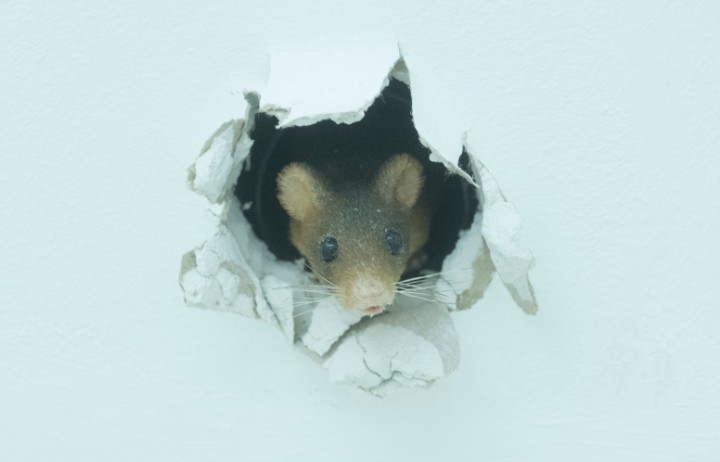
- Crumbling plaster or unused external openings
Mark each potential entry so you can seal them later.
Step 3: Place Traps Strategically and Safely
Trapping is one of the most practical ways to reduce numbers quickly. Don’t just scatter traps randomly — position them where you’ve seen droppings or signs of activity.
Effective Trap Types
| Trap Type | Best For | Pros | Cons |
|---|---|---|---|
| Snap traps | Quick elimination | Fast and effective | Can be unpleasant to check |
| Humane traps | Low‑level infestations | No kill | Requires daily checking & relocating |
| Electronic traps | Clean, tech solution | Quick kill, reusable | Costlier |
| Glue boards | Not recommended for DIY | Easier to set | Inhumane, discouraged in UK DIY |
Best Bait Options:
Peanut butter, chocolate spread, or oats mixed with a bit of honey. Place baited traps perpendicular to walls, with the bait side closest to the wall — this is where mice travel most.
Step 4: Seal Every Entry Point
Even if you catch one or two mice, others will enter if the access points remain open. After you’ve set traps, make sure you seal every possible opening.
Materials that Work Well
- Steel wool or copper mesh: Mice cannot gnaw through it.
- Wire mesh: Good for vents or larger gaps.
- Expanding foam plus mesh: Fills irregular holes effectively.
- Door sweeps or weather‑strips: For gaps under external doors.
Focus on areas around pipework, under sinks, along skirting boards, and around loft or roof openings.
Step 5: Clean Thoroughly to Remove Food and Scent Trails
Mice leave scent trails that guide others to the same food sources or hiding spots. Cleaning eliminates attractants and reduces their ability to navigate.
Clean these areas:
- Worktops, floors and cupboards
- Behind appliances where crumbs collect
- Pet feeding areas and bowls
- Food storage zones
- Garbage bins and waste areas
Always use gloves and a disinfectant. Never sweep or vacuum dry droppings — dust can become airborne and harmful.

Step 6: Monitor and Reassess
After 7–10 days, check:
- Are traps still catching mice?
- Are droppings still appearing?
- Any new scratching noises?
If the signs have disappeared, you’re likely clear. If activity continues, you may need to adjust trap placement or seek professional support.
Why Mice Enter Your House?
Mice are attracted to your home for three main reasons:
- Food: Unsealed food, pet food left down overnight, crumbs and waste all offer easy meals.
- Shelter: Warm spaces, calm night hours and hidden areas like lofts or cupboards are ideal nesting zones.
- Access: Small gaps in walls, floors, pipes or doors allow mice to slip in with ease.
Even tiny gaps — the width of a pencil — can be enough for mice to enter.
Just like mice, rats also exploit small openings around your property. If you’re dealing with larger rodents too, learn how rats get into your house and how to block their entry points.
What are the Common Signs of Mice in Your House?
Mice are shy and mostly active at night, so you might not see them — but the evidence they leave is usually clear:
Table: Quick Reference – Signs, Hiding Spots & Removal Actions
| Category | Details |
|---|---|
| Signs of Mice | Droppings, scratching noises, gnaw marks, grease trails |
| Where They Hide | Behind appliances, lofts, under floorboards, wall cavities, storage areas |
| How to Remove Them | Traps, sealing entry points, thorough cleaning, natural deterrents |
| When to Call a Pro | Persistent activity across rooms, nests or continued signs after removal |
Where Mice Hide in UK Homes?
Mice can squeeze into small spaces and choose hiding spots that are dark and quiet. Check these areas carefully:
- Kitchens: Behind fridges, ovens and in cupboards — especially low units.
- Lofts and attics: Warm and quiet with good nesting material.
- Under floorboards: Gaps around skirting boards and floor edges.
- Wall cavities: Often unseen until you start renovating or fixing.
- Garages and sheds: Around stored items, cardboard boxes and clutter.
Use a torch to inspect dark corners, behind appliances, and around boiler cupboards for signs such as droppings or nesting material.

What are the DIY Ideas to Try at Home?
If you prefer to avoid chemicals or want to support your main strategy, the following DIY methods are worth trying:
- Peppermint oil pads: Place cotton balls with peppermint oil in cupboards and near suspected entry points. Refresh every few days.
- Clove oil or cayenne pepper: Strong smells can make areas less attractive to mice.
- Vinegar spray: Helps to erase scent trails.
- Tidy up outside: Keep compost, wood piles and plant pots away from house walls to reduce shelter for mice.
- Bucket or balance traps: Simple homemade traps can catch mice humanely if checked daily.
My Suggestion
Begin with good trap placement and sealing entry points — these two actions alone often stop infestations quickly.
Use natural deterrents like peppermint oil only as a supplement, not a standalone solution. If signs of mice persist after one to two weeks, call a professional pest controller because hidden nests or complex entry routes can be hard to manage alone — especially in older UK homes.
Conclusion
Doubtful about how to get rid of mice in house and dealing with them can be stressful, but with the right approach, it’s completely manageable.
By identifying signs early, locating hiding spots, applying effective traps, sealing entry routes, and maintaining good hygiene, you can eliminate mice from your home and reduce the risk of them returning.
Stay consistent, keep an eye on problem areas, and don’t hesitate to seek professional help if needed — your home and health are worth it.
What are the FAQs About How to Get Rid of Mice in House?
1. How long does it take to get rid of mice?
Typically 1–2 weeks with consistent trapping, sealing and cleaning.
2. Are ultrasonic repellents effective?
They may help as part of a broader strategy but are not reliable on their own.
3. Can mice make me ill?
Yes — their droppings and urine can carry bacteria. Always use protective gloves when cleaning.
4. Do I need professional help?
If traps aren’t working or you have signs across many rooms, professional pest control is recommended.
5. Is one mouse a problem?
Yes — one often means more. Mice reproduce quickly and leave scent trails that attract others.

Home Diagnostics and Technical Standards Specialist at Hello Mag. She provides high-level Expertise in appliance mechanics and scientific pest management, ensuring every guide follows strict safety protocols and manufacturer standards. As a leading Authority on technical home specs, Kanimozhi audits complex data to provide homeowners with the most accurate, verified, and reliable diagnostic solutions available.
0 Comments