

- Will Grass Seed Germinate on Top of Soil?
- Can grass seed really germinate on top of soil?
- What are my step-by-step method that actually worked?
- What happens if grass seed stays above the soil?
- What conditions help grass seed germinate best in the UK?
- What if I just leave the seed on the surface and do nothing?
- What are Pros and cons of leaving grass seed on top of soil?
- Final thoughts: What I learned
- Conclusion
- What are the FAQs UK gardeners ask me about surface seeding?
Quick Answer:
Will Grass Seed Germinate on Top of Soil?
Yes, grass seed will germinate on top of the soil, provided it has firm seed-to-soil contact and consistent moisture. In the UK, seeds left on the surface are highly vulnerable to birds and drying out, so you must press them into the dirt and water daily to ensure success.
- Best Time: April to May or September.
- Key Step: Rake the soil first and walk over the seeds after scattering.
- Success Rate: Significantly higher if seeds stay damp for 10–14 days.
Like many DIY gardeners in the UK, I found myself wondering — can grass seed actually grow if I just sprinkle it on top of the soil?
I didn’t have the time (or the tools) to dig, rake, or level out the garden. So, I went ahead and experimented with surface seeding. What followed was a mix of results, lessons, and surprisingly green patches of lawn.
If you’re curious whether grass seed will germinate without being buried, this post shares my experience, what worked, and what didn’t — especially under UK conditions.
Can grass seed really germinate on top of soil?
Yes — grass seed can germinate on top of soil, but it’s not the most reliable method unless you follow a few key steps.
Grass seeds don’t require deep planting, but they do need a few non-negotiables: moisture, warmth, and solid seed-to-soil contact.
When I first spread the seeds directly onto my lawn without doing much else, I noticed patchy germination. Some seeds sprouted beautifully, while others never took off.
After doing some digging (both in the garden and online), I learned that contact with soil is what really determines whether seeds survive and grow roots.
What are my step-by-step method that actually worked?
To increase my success rate, I refined my process and took a more intentional approach. Here’s what I did:
| Step | What I Do | Why It Works |
|---|---|---|
| 1. Prepare soil | I rake and loosen the topsoil well | Ensures better seed-to-soil contact |
| 2. Scatter seed | I spread grass seed evenly on top | Prevents patchy growth |
| 3. Press in lightly | I gently walk or roll over the area | Helps the seed grip the soil |
| 4. Water gently | I mist it daily using a spray setting | Keeps the seed moist without washing it away |
| 5. Stay off | I avoid walking on it for 2–3 weeks | Protects delicate sprouting roots |
By following this approach, I didn’t bury the seed — but I made sure it wasn’t just floating on top either. That slight pressing into the soil made all the difference.
What happens if grass seed stays above the soil?
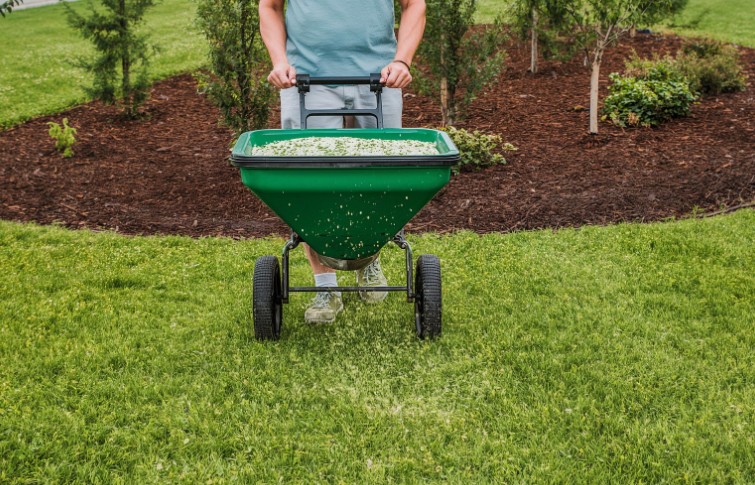
When grass seed is left sitting right on top of compacted soil with no prep, here’s what I observed:
-
Moisture evaporates quickly — seeds dry out within a few hours on sunny or windy days.
-
Birds love easy meals — without any covering, birds had a feast.
-
Rain washed some away — a light rain was fine, but heavy downpours caused seed runoff.
-
Germination was uneven — some areas sprouted, others stayed bare.
In short, surface seeding can work, but the risks are higher — especially if you skip soil prep or watering. Seeds need moisture to swell and sprout. If they’re too exposed, they won’t survive long enough to germinate.
What conditions help grass seed germinate best in the UK?
After trial and error, I realised that the UK’s cool, moist climate can be friendly to surface seeding — but timing and care are crucial.
Moisture
Grass seed must stay moist for at least 7 to 14 days to germinate. I found that a gentle daily misting in the morning helped maintain that balance — not soaked, not dry.
Temperature
Grass seed likes soil temperatures around 10 to 18°C, which in the UK, is most common during spring (April to May) and early autumn (September). I had the best results in late April.
Soil Contact
Even though I didn’t bury the seed, lightly pressing it down helped ensure each seed could absorb moisture and root properly. I did this with my feet and a light roller.
Weather
Cloudy days with light rain actually helped the seedbed stay moist naturally. I avoided seeding right before storms, though — too much water just caused pooling and seed wash-off.
What if I just leave the seed on the surface and do nothing?
I did try this once — just tossed seed across my patchy lawn and left it. Here’s what happened:
-
Around 30 to 40 percent of the seed germinated.
-
Birds took a noticeable share.
-
Some seedlings sprouted, but others dried up or never moved.
Basically, it kind of worked — but the result was uneven and looked messy. Some patches were lush, others were bald. Without that initial prep like raking and pressing in, the seeds had a harder time surviving.
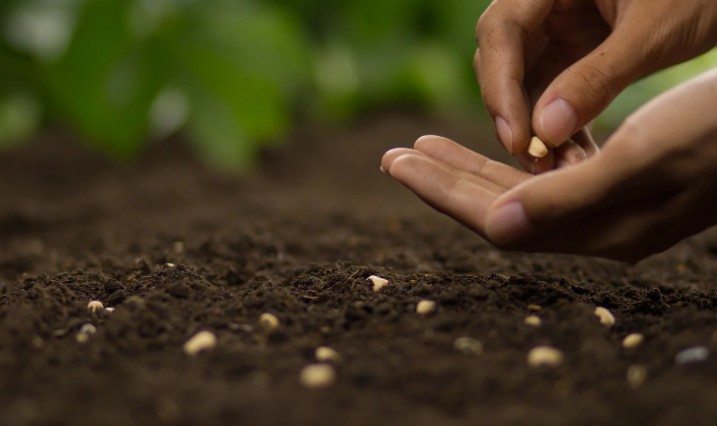
What are Pros and cons of leaving grass seed on top of soil?
Pros:
-
Quick and easy to apply
-
No need for tools or digging
-
Good for touch-ups and overseeding
Cons:
-
Lower germination rate
-
Higher seed loss to birds, wind, and rain
-
Patchier results unless soil is well prepped
If you’re overseeding a lawn or filling in thin areas, surface seeding can be convenient. But if you’re starting from scratch, I’d recommend investing more effort for better results.
Final thoughts: What I learned
From my trials, I learned that grass seed doesn’t need to be buried, but it does need help. Simply throwing it on the surface and hoping for the best won’t cut it — at least not in the unpredictable UK weather.
The key things that worked for me were:
-
Preparing the soil by raking it loose
-
Pressing the seed in lightly
-
Watering daily to keep the area moist
That combo gave me far better results than any of my earlier lazy attempts.
Conclusion
So, will grass seed germinate on top of soil? Yes — but only if you give it the right conditions.
Here’s what worked best for me:
-
Don’t bury the seed deeply — but don’t leave it completely exposed either.
-
Rake, press, and water — that’s the simplest, most effective approach.
-
Time it right in spring or autumn for the best UK results.
If you follow these simple steps, you’ll save time, avoid digging, and still end up with a lush, healthy lawn. Good luck — and don’t forget to keep the watering can handy!
What are the FAQs UK gardeners ask me about surface seeding?
1. Will grass seed grow if I don’t bury it at all?
Yes, it can — if you water it regularly and press it lightly into the soil. Just scattering and forgetting it won’t give you consistent results.
2. How long does it take to germinate on top of soil?
I usually see sprouts in 7 to 14 days, depending on temperature and how well I keep it watered.
3. Can I seed before rain and let nature do the work?
Light rain helps, but too much can wash the seed away. I now prefer to seed a day or two before steady, mild drizzle, not storms.

Home Diagnostics and Technical Standards Specialist at Hello Mag. She provides high-level Expertise in appliance mechanics and scientific pest management, ensuring every guide follows strict safety protocols and manufacturer standards. As a leading Authority on technical home specs, Kanimozhi audits complex data to provide homeowners with the most accurate, verified, and reliable diagnostic solutions available.
0 Comments