by Kanimozhi BV | Jul 25, 2024 | Washing Machine, Appliances
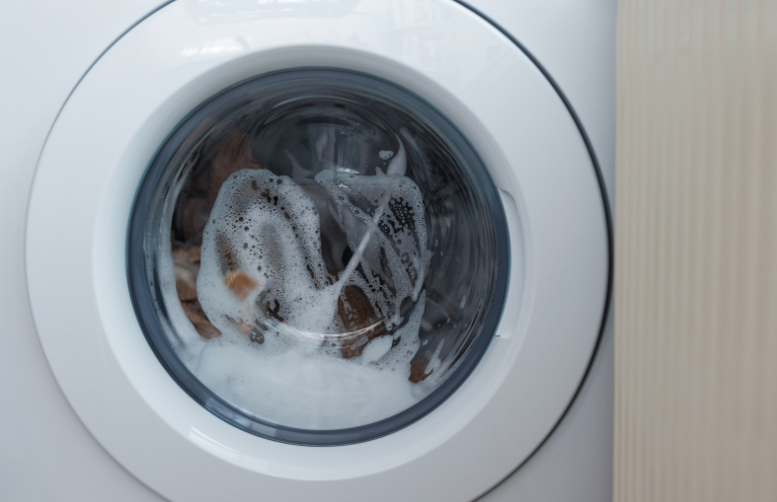
Are you searching for how to remove the drum from a washing machine? Removing the drum from a washing machine is a task that might seem daunting, but with the right guidance, it can be accomplished effectively and safely. Whether you need to replace worn-out bearings, remove foreign objects, or simply conduct maintenance, understanding the proper steps is crucial. This guide will walk you through the entire process, ensuring you can tackle this repair confidently.
Why Might You Need to Remove the Drum?
What are the Common Reasons for Drum Removal?
There are several scenarios where removing the washing machine drum becomes necessary:
- Replacing Worn-Out Bearings: Over time, the bearings that allow the drum to spin smoothly can wear out, causing noise and inefficiency. Replacing these bearings often requires drum removal.
- Removing Foreign Objects: Items such as coins, buttons, or small garments can sometimes get trapped between the drum and the tub. Removing the drum helps retrieve these objects.
- Fixing a Damaged Drum: Physical damage to the drum, like dents or cracks, can affect the machine’s performance and may need replacement or repair.
- Regular Maintenance and Cleaning: Periodically removing the drum allows for thorough cleaning, which can prevent mold and buildup from affecting your laundry.

Before starting the drum removal process, gather the following tools and materials:
- Screwdrivers (Phillips and flathead): For removing various screws.
- Wrenches: To loosen and tighten bolts.
- Pliers: Useful for gripping and pulling.
- Socket Set: For bolts that require a socket wrench.
- Rubber Mallet: To gently tap and dislodge parts without causing damage.
- Towels or Rags: To clean up any water or debris.
- Safety Gloves: To protect your hands during the complete process.
- User Manual: Specific to your washing machine model for reference.
How to Prepare Your Washing Machine?
What are the Safety Precautions?
- Unplug the Machine: Disconnect the washing machine from the electrical outlet to avoid any risk of electric shock.
- Turn Off the Water Supply: Shut off the water valves to prevent any water from flowing into the machine.
- Drain Any Remaining Water: Open the drain pump filter and let any remaining water drain out completely.
How to Position the Machine?
- Move the Machine: Shift the washing machine to an open workspace where you have ample room to maneuver and place the removed parts.
- Secure the Machine: Ensure the washing machine is stable and will not tip over during the disassembly process.
What are the Step-by-Step Process to Remove the Drum?
Step 1: Remove the Top and Back Panels

- Locate Screws: Using a screwdriver, locate and remove the screws holding the top panel in place.
- Detach the Top Panel: Lift the top panel off carefully and set it aside.
- Remove Back Panel Screws: Similarly, unscrew the back panel and remove it to access the internal components.
Step 2: Disconnect the Electrical Components

- Identify Connections: Carefully identify and label all electrical connections to ensure correct reassembly.
- Disconnect Wires: Gently unplug the wires and harnesses connected to the control panel and other components.
Step 3: Detach the Detergent Dispenser & the Control Panel
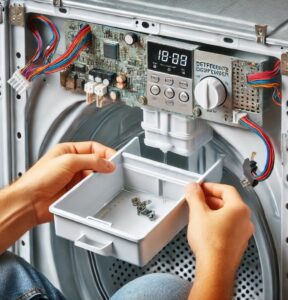
- Take Out the Detergent Tray: Slide out the detergent dispenser tray and remove any screws or clips holding it in place.
- Detach Control Panel: Unscrew and unclip the control panel, carefully setting it aside without damaging the wires.
Step 4: Detach the Door Seal and Front Panel

- Remove Door Seal Clamp: Using pliers, remove the clamp holding the door seal to the front panel.
- Take Off Front Panel: Unscrew and detach the front panel, lifting it away to expose the drum.
Step 5: Disconnect the Drum from the Housing
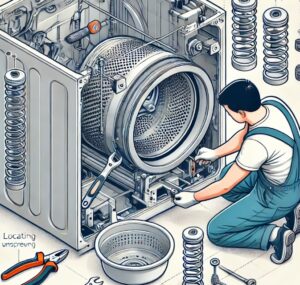
- Remove Drum Support Brackets: Locate and unscrew the brackets supporting the drum.
- Unhook Suspension Springs: Carefully unhook the suspension springs that hold the drum in place.
- Detach Shock Absorbers: Unscrew the shock absorbers connected to the drum.

- Lift the Drum: Carefully lift and maneuver the drum out of the washing machine housing. This may require some wiggling to free it completely.
- Handle with Care: Ensure you handle the drum gently to avoid any damage during removal.
How to Inspect and Maintain the Drum?
Inspecting for Damage
- Check for Cracks or Wear: Examine the drum for any signs of physical damage or wear.
- Assess Bearings: Spin the drum by hand to check the bearings. Any grinding or resistance indicates they need replacement.
Cleaning and Maintenance Tips
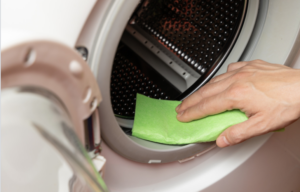
- Remove Lint and Debris: Use a brush or vacuum to remove any lint or debris from the drum.
- Use Cleaning Agents: Clean the drum thoroughly with a mild detergent or a mixture of vinegar and water to remove any mold or buildup.
How to Reassemble Your Washing Machine?
What are the Reassembly Steps After Removing the Drum?
- Reconnect Electrical Components: Carefully reconnect all wires and harnesses, referring to the labels made during disassembly.
- Reattach Front and Top Panels: Secure the front and top panels back in place with screws.
- Secure the Drum: Reconnect the drum’s suspension springs, shock absorbers, and support brackets.
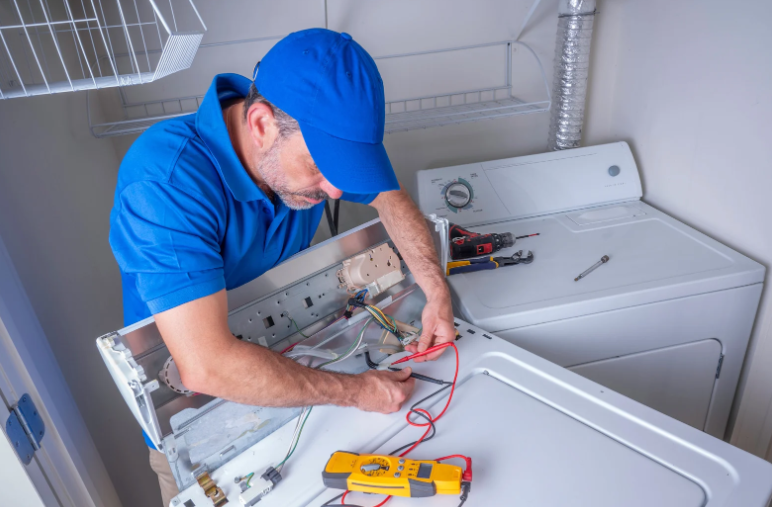
How to Test the Machine After Reassemble?
- Run a Test Cycle: Plug in the washing machine and turn on the water supply. Run a short test cycle to ensure everything is functioning correctly.
- Check for Leaks and Noises: Observe the machine during the test cycle to check for any unusual noises or leaks.
Conclusion
Removing and maintaining the drum in your washing machine is essential for its longevity and performance. By following this step-by-step guide, you can confidently tackle the task, ensuring your machine continues to operate efficiently. Regular maintenance not only extends the life of your washing machine but also ensures your laundry is consistently clean and fresh.
What are the Drum Removal and Maintenance Checklist?
| Task |
Frequency |
Tools Needed |
| Safety Preparation |
Before starting |
Gloves, towels, rags |
| Removing Top and Back Panels |
Once, during repair |
Screwdrivers |
| Disconnecting Electrical Components |
Once, during repair |
Pliers, wrenches |
| Drum Extraction |
Once, during repair |
Rubber mallet, socket set |
| Drum Inspection |
Annually |
Visual inspection, hand spinning |
| Cleaning Drum |
Annually |
Vinegar, detergent |
| Reassembling Machine |
Once, during repair |
Screwdrivers, socket set |
| Test Cycle |
After reassembly |
Water supply, power connection |
By adhering to these guidelines on how to remove the drum from a washing machine, you can maintain your washing machine in top condition, ensuring it serves you well for years to come.
Related Article: How to Remove Agitator From Washing Machine?
Frequently Asked Questions
1. Can I Remove the Drum Myself, or Should I Hire a Professional?
Removing the drum yourself is feasible if you are comfortable with basic tools and have a good understanding of the steps involved. However, if you feel uncertain, it’s always best to consult a professional.
2. How Often Should I Check the Drum for Maintenance?
Regular checks every few months can help you catch any issues early. Thorough cleaning and inspection should be done at least once a year.
3. What Are the Signs That My Washing Machine Drum Needs Attention?
Common signs include unusual noises during operation, visible damage or wear on the drum, and clothes not coming out as clean as they should be.
Home Diagnostics and Technical Standards Specialist at Hello Mag. She provides high-level Expertise in appliance mechanics and scientific pest management, ensuring every guide follows strict safety protocols and manufacturer standards. As a leading Authority on technical home specs, Kanimozhi audits complex data to provide homeowners with the most accurate, verified, and reliable diagnostic solutions available.

by Kanimozhi BV | Jul 25, 2024 | Washing Machine, Appliances
Keeping your washing machine fresh and efficient means paying attention to one often-overlooked part — the rubber seal.
In this guide, I’ll show you how to clean washing machine seal and tackle that nasty mold buildup that can make your laundry smell musty.
Let’s dive into the exact steps I take to keep my washer clean, hygienic, and in top condition.
Why Does Mold Develop on Washing Machine Seals?
If you’ve noticed black spots or unpleasant smells around the door of your washing machine, the rubber seal is probably harbouring mould.
Front-loading machines are especially prone to this problem. The seal traps moisture, detergent residue, and even fabric softener — the perfect breeding ground for mildew and mould.
What Are the Signs of Mold in Your Washing Machine?
Wondering whether your washing machine seal needs attention? Here are the red flags I usually spot:
- A musty or damp smell inside the drum
- Visible black or grey mould spots on the rubber gasket
- Clothes smelling funky after a wash
- Slimy or sticky texture when touching the seal
If any of these sound familiar, it’s time to give that seal a thorough clean.
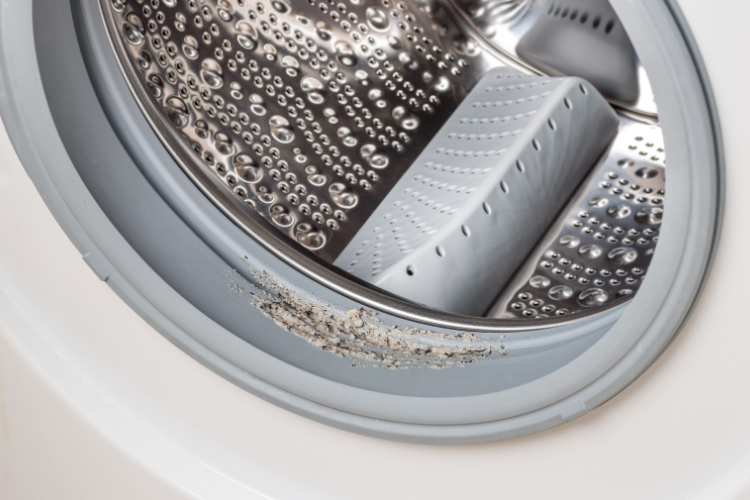
What Causes a Washing Machine Door Seal to Go Black?
Black discolouration is often caused by:
- Mould and mildew growth
- Soap scum and detergent residue
- Hard water mineral deposits
- Lack of air circulation
Over time, these things turn your door seal black and slimy. Regular cleaning prevents this.
How to Prepare for Cleaning the Washing Machine Seal?
Before I start, I always gather the right tools and ingredients. Here’s my go-to list:
- White vinegar or a commercial mildew remover
- Baking soda
- Microfibre cloths
- Soft-bristled brush (an old toothbrush works too)
- Rubber gloves
- Warm water
I also make sure the washing machine is empty and unplugged for safety.
How to Clean Washing Machine Seal?
Step 1: Wipe Away Loose Dirt
I begin by pulling back the rubber seal gently and wiping away any lint, hair, or trapped detergent using a damp cloth.
Step 2: Apply a Cleaning Solution
Next, I mix equal parts white vinegar and warm water. This natural solution works wonders for breaking down grime and killing mould spores. I soak a cloth in the mix and press it against mouldy areas.
Alternatively, for tougher mould, I use a washing machine-safe mildew remover spray.
Step 3: Scrub the Seal
With an old toothbrush or a soft brush, I scrub all the folds and crevices of the seal. It’s where most of the mould hides, so I take my time to get into every corner.
Step 4: Rinse and Dry
After scrubbing, I use a clean cloth to rinse the area with fresh water, then wipe everything dry. This is crucial — moisture is what started the problem in the first place.
How to Perform a Maintenance Wash?
Once I’ve cleaned the seal, I like to give the whole machine a deep refresh.
| Step |
What I Use |
Purpose |
| Add to Drum of the Machine |
2 tablespoons baking soda |
Neutralises smells |
| Add to Drawer of the Machine |
2 cups white vinegar |
Breaks down residue |
| Set Cycle |
Hottest & longest cycle |
Cleans the internal system |
Running this cycle clears out any lingering mould, detergent build-up, or odours.
What Are Alternative Methods for Removing Stubborn Mold?
Sometimes, regular cleaning isn’t enough. Here are a few other things I’ve tried:
How To Use Bleach To Clean Washing Machine Seal?
If natural cleaners don’t cut it, I mix one part bleach with four parts water, apply it carefully with a cloth, and rinse thoroughly.
It’s effective, but I avoid using bleach too often as it can degrade the rubber.
How To Use Baking Soda Paste To Clean Washing Machine Seal?
I make a thick paste of baking soda and water, apply it directly to mouldy areas, leave it for 10–15 minutes, then scrub and rinse.
It’s great for spot treatment.

How to Prevent Mold Growth on Washing Machine Seals?
Prevention is much easier than constant cleaning. Here’s what I do after every wash:
- Wipe the seal dry after each cycle
- Leave the door ajar to let the drum air out
- Use the right amount of detergent — too much creates excess suds and residue
- Clean the seal monthly as part of my appliance care routine
What Is the Grey Sludge in My Washing Machine Seal?
That grey sludge is usually a combination of:
- Detergent build-up
- Fabric softener residue
- Skin oils and dirt from clothes
- Mould and bacteria
It collects in the folds of the seal. I clean it out monthly to avoid bad smells and keep the machine hygienic.
Conclusion
Now that you know how to clean washing machine seal, you can say goodbye to mouldy smells and hello to fresh laundry.
A little effort goes a long way. Regular maintenance keeps your washer running smoothly and your clothes smelling clean.
So, next time you notice that rubber seal looking a bit grimy, follow this guide — your washing machine (and wardrobe) will thank you!
FAQs on How to Clean Washing Machine Seal
1. How often should I clean my washing machine seal?
I clean mine once a month. If you wash heavily soiled clothes or notice smells, you might want to do it more often.
2. Can I use bleach to clean the rubber seal?
Yes, but sparingly. Always dilute it and rinse thoroughly to protect the rubber.
3. What causes black mould on the seal?
Moisture, leftover detergent, and lack of ventilation cause black mould to form inside the seal folds.
4. Is vinegar safe for cleaning washing machine seals?
Absolutely. I use it all the time — it’s a natural mould killer and deodoriser.
5. Why does my machine still smell after cleaning the seal?
The issue may be deeper in the drum or drain. Try a maintenance wash and clean the detergent drawer too.
Home Diagnostics and Technical Standards Specialist at Hello Mag. She provides high-level Expertise in appliance mechanics and scientific pest management, ensuring every guide follows strict safety protocols and manufacturer standards. As a leading Authority on technical home specs, Kanimozhi audits complex data to provide homeowners with the most accurate, verified, and reliable diagnostic solutions available.

by Kanimozhi BV | Jul 25, 2024 | Fencing, Exterior
Are you looking for a cheap way to extend fence height? In creating a private and secure outdoor space, fence height plays a vital role. Whether you want to keep prying eyes away, add an extra layer of security, or simply improve the aesthetics of your garden, extending the height of your fence can be a great solution. In this guide, I’ll share several budget-friendly methods to extend your fence height effectively.
Why Extend Your Fence Height?
Privacy Concerns
Keeping Prying Eyes Away: One of the primary reasons for extending fence height is to enhance privacy. A taller fence creates a barrier that helps keep nosy neighbors and passersby from peeking into your garden.
Creating a Private Outdoor Space: Extending your fence height can help create a secluded sanctuary in your garden where you can relax without feeling exposed.
Security Reasons
Deter Potential Intruders: A higher fence is a deterrent to potential intruders. It makes your property less accessible and more challenging to climb over.
Keeping Pets and Children Safe: If you have pets or small children, a taller fence can prevent them from wandering off or encountering dangers outside your property.
Aesthetic Improvement
Enhancing the Look of Your Garden: Extending your fence can also be an aesthetic choice. It allows you to add decorative elements and greenery, enhancing the overall look of your garden.
Adding Value to Your Property: A well-maintained and attractive fence can add value to your home, making it more appealing to potential buyers.
To extend your fence height, you’ll need some essential tools:
- Measuring Tape: For accurate measurements.
- Saw: To cut wood or other materials.
- Hammer and Nails: Basic tools for attaching new sections.
- Drill: For creating holes and driving screws.
- Screws: For secure attachments.
Common Materials
Depending on the method you choose, you’ll need various materials:
- Wooden Planks: Durable and versatile for height extension.
- Lattice Panels: Decorative and functional for adding height.
- Bamboo or Reed Rolls: Natural and affordable options.
- Fence Post Extensions: To add height to existing posts.
- Cable Ties: For securing materials in place.
Simple and Cheap Ways to Extend Fence Height
Using Wooden Planks
Step-by-Step Guide to Attaching Additional Planks:
- Measure and Cut: Measure the height you want to add and cut the wooden planks accordingly.
- Attach to Existing Fence: Use screws to attach the planks to the existing fence posts.
- Secure the Top: Ensure the top of the extension is level and secure.
Benefits of Using Wood: Wood is durable, easy to work with, and can be painted or stained to match your existing fence.

Installing Lattice Panels
How to Securely Fix Lattice Panels on Existing Fences:
- Measure and Cut: Measure the width and height needed and cut the lattice panels to size.
- Attach with Screws: Secure the panels to the top of your existing fence using screws.
- Reinforce with Posts: If necessary, add additional posts for extra support.
Decorative and Functional Advantages: Lattice panels are attractive and allow light and air to pass through while providing extra height.
Adding Bamboo or Reed Rolls
Instructions for Attaching Bamboo Rolls:
- Unroll and Measure: Unroll the bamboo or reed roll and measure the required length.
- Attach with Cable Ties: Use cable ties or garden wire to attach the roll to your existing fence.
- Secure the Bottom and Top: Ensure the roll is secured tightly at both the bottom and top.
Natural Look and Privacy Enhancement: Bamboo and reed rolls provide a natural, rustic look and are excellent for adding privacy.
Fence Post Extensions
Easy Installation of Post Extensions:
- Select Extensions: Choose extensions that match your existing fence posts.
- Attach with Screws or Bolts: Secure the extensions to the top of your existing posts using screws or bolts.
- Add New Panels: Attach additional fence panels or materials to the extended posts.
Strength and Stability Considerations: Post extensions provide a sturdy foundation for adding height, ensuring the fence remains stable.
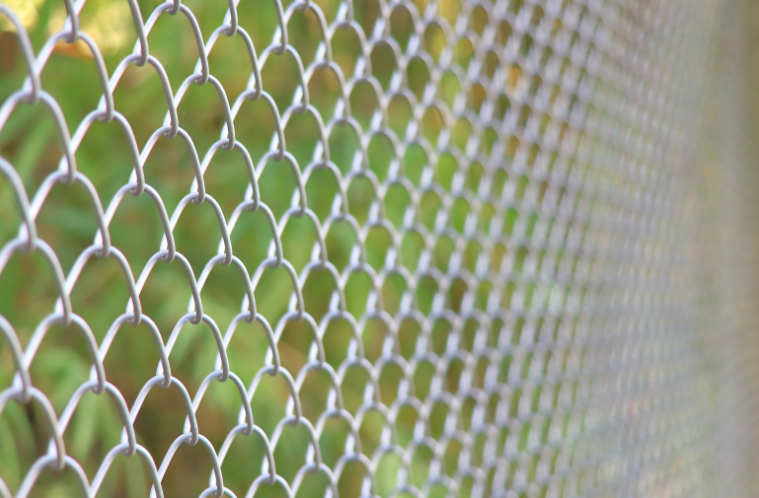
Using Mesh or Wire Fencing
Attaching Mesh or Wire for a Cost-Effective Solution:
- Measure and Cut: Cut the mesh or wire fencing to the desired height.
- Secure to Fence: Attach the mesh or wire to the existing fence using cable ties or staples.
- Ensure Durability: Make sure the mesh is tightly secured to withstand weather and wind.
Tips for Ensuring Durability: Choose galvanized or coated wire to prevent rust and prolong the life of your fence extension.
Creative Ideas for Fence Extension
Vertical Garden Fence
Integrating Plants into Your Fence Extension:
- Attach Planters: Secure planters or pots to the fence extension.
- Choose Suitable Plants: Select climbing plants or trailing vines that will grow upwards.
- Regular Maintenance: Water and prune the plants regularly to keep them healthy.
Benefits for Privacy and Aesthetics: A vertical garden adds greenery and privacy, creating a beautiful, living fence.
Hanging Planters
How to Use Hanging Planters to Increase Fence Height:
- Install Hooks: Attach hooks or brackets to the top of your fence.
- Hang Planters: Hang the planters from the hooks, varying the heights for a layered look.
- Select Plants: Use a mix of flowering and foliage plants for visual interest.
Creating a Green and Lively Fence: Hanging planters add color and life to your fence, enhancing your garden’s appeal.
Decorative Screens
Using Decorative Screens for Added Height:
- Choose Screens: Select decorative screens made of materials like metal, wood, or PVC.
- Attach to Fence: Secure the screens to your existing fence using screws or brackets.
- Ensure Stability: Reinforce with additional posts if necessary.
Combining Functionality with Beauty: Decorative screens not only add height but also enhance the aesthetic appeal of your fence.
Maintenance and Care for Extended Fences
Regular Inspection
Checking for Stability and Wear:
- Inspect Regularly: Check the fence extension for any signs of wear, damage, or instability.
- Tighten Loose Screws: Ensure all screws and attachments are secure.
Addressing Issues Promptly: Fix any problems immediately to prevent further damage and maintain the fence’s integrity.
Weatherproofing Tips
Using Sealants and Paints to Protect Materials:
- Apply Sealant: Use a weatherproof sealant on wooden extensions to protect against moisture.
- Paint or Stain: Apply a coat of paint or stain to wooden materials to prevent rot and enhance appearance.
Ensuring Longevity of the Fence Extension: Regular weatherproofing helps extend the life of your fence extension.

Cleaning and Upkeep
Keeping the Fence Clean and Free of Debris:
- Regular Cleaning: Clean the fence periodically to remove dirt and debris.
- Remove Plant Growth: Trim any overgrown plants or vines that could damage the fence.
Seasonal Maintenance Tips: Perform thorough inspections and maintenance at the change of each season to keep your fence in top condition.
Conclusion
Extending the height of your fence can enhance your privacy, security, and the overall look of your garden without breaking the bank. With a variety of budget-friendly options available, you can easily find a method that suits your needs and style. Remember to regularly maintain and inspect your extended fence to ensure it remains in good condition. Happy fencing!
Fence Extension Methods and Costs
| Method |
Materials Needed |
Estimated Cost |
Difficulty Level |
| Wooden Planks |
Wooden planks, screws, saw |
Moderate (£20-£50) |
Moderate |
| Lattice Panels |
Lattice panels, screws, drill |
Moderate (£30-£70) |
Easy |
| Bamboo or Reed Rolls |
Bamboo rolls, cable ties |
Low (£10-£30) |
Easy |
| Fence Post Extensions |
Post extensions, screws, drill |
Moderate (£20-£60) |
Moderate |
| Mesh or Wire Fencing |
Mesh fencing, cable ties |
Low (£10-£40) |
Easy |
| Vertical Garden Fence |
Planters, hooks, climbing plants |
Variable (£20-£100+) |
Moderate |
| Hanging Planters |
Planters, hooks, various plants |
Low to Moderate (£15-£50) |
Easy |
| Decorative Screens |
Screens, screws, brackets |
Variable (£30-£100+) |
Moderate |
By following these guidelines, you can effectively extend your fence height in a cost-effective manner, enhancing both the privacy and aesthetic appeal of your garden.
Frequently Asked Questions
1. Is It Legal to Extend My Fence Height?
Understanding Local Regulations: Before extending your fence, check local regulations and homeowners’ association rules to ensure you comply with height restrictions and other requirements.
2. How Much Does It Cost to Extend a Fence?
Budget Considerations and Cost Breakdown: The cost depends on the materials and methods used. Simple extensions like bamboo rolls or mesh fencing are usually cheaper, while more elaborate solutions like wooden planks or decorative screens may cost more.
3. Can I Extend a Fence on My Own?
DIY Feasibility and When to Hire a Professional: Many fence extensions can be done as DIY projects with basic tools. However, if the job seems too complex or if you’re unsure, hiring a professional may be the best option.
Home Diagnostics and Technical Standards Specialist at Hello Mag. She provides high-level Expertise in appliance mechanics and scientific pest management, ensuring every guide follows strict safety protocols and manufacturer standards. As a leading Authority on technical home specs, Kanimozhi audits complex data to provide homeowners with the most accurate, verified, and reliable diagnostic solutions available.

by Kanimozhi BV | Jul 25, 2024 | Fencing, DIY Ideas, Exterior
As a dog owner and garden enthusiast, I know firsthand how challenging it can be to keep our furry friends out of the garden. Dogs love to dig, chew, and explore, which can wreak havoc on your carefully planted flowers and vegetables. Thankfully, there are several cost-effective fencing solutions that can help keep dogs out of your garden without breaking the bank. In this guide, I’ll share ten DIY ideas that are both budget-friendly and easy to implement.
Why Do You Need to Keep Dogs Out of the Garden?

Protecting Plants and Flowers
Preventing Digging and Trampling: Dogs have a natural instinct to dig and explore. This can lead to uprooted plants, disturbed soil, and a generally messy garden. By installing a fence, you can protect your plants from being dug up or trampled.
Keeping Plants Safe from Being Chewed On: Many dogs like to chew on plants, which can damage or even kill them. Certain plants can also be toxic to dogs, making it crucial to keep them separate.
Maintaining Garden Aesthetics
Avoiding Damage to Garden Layout: A well-maintained garden takes a lot of effort, and it’s disheartening to see all that hard work go to waste because of a playful dog. Fencing helps preserve the structure and beauty of your garden.
Preserving the Beauty of the Garden: Consistent digging and running can damage the visual appeal of your garden. A fence ensures that your flowers, shrubs, and vegetable beds remain intact and beautiful.
Ensuring Dog Safety
Preventing Dogs from Ingesting Harmful Plants: Some garden plants can be toxic to dogs if ingested. A fence keeps your pets away from these hazards.
Keeping Dogs Away from Garden Tools and Chemicals: Gardening tools and chemicals can pose significant risks to dogs. By fencing off your garden, you can prevent accidental injuries and poisoning.

Before starting any fencing project, gather the following tools:
- Measuring Tape: For accurate measurements to ensure a well-fitted fence.
- Hammer and Nails: Basic tools for assembling wooden fences.
- Screwdriver: Essential for attaching screws and securing panels.
- Wire Cutters: Necessary for cutting chicken wire or mesh fencing.
- Shovel: For digging holes to place stakes or posts.
Common Materials
Depending on the fencing method you choose, you will need:
- Wooden Stakes: Provide support for various types of fencing.
- Chicken Wire: A versatile and affordable option for dog-proof fencing.
- Plastic Mesh: Durable and weather-resistant, suitable for a temporary solution.
- Picket Fence Panels: For a more decorative and permanent solution.
- Bamboo or Reed Fencing: Natural and eco-friendly, blending well with garden aesthetics.
- Garden Netting: Ideal for creating barriers without obstructing the view.
- Zip Ties: Useful for securing materials together quickly and easily.
Best 10 DIY Ideas for Cheap Fencing To Keep Dogs Out
1. Using Chicken Wire

Step-by-Step Guide on Installing Chicken Wire:
- Measure and Cut: Measure the area you want to fence off and cut the chicken wire to the appropriate length.
- Place Stakes: Drive wooden stakes into the ground at regular intervals around the garden.
- Attach Chicken Wire: Use zip ties or staples to attach the chicken wire to the stakes.
- Secure the Bottom: Make sure the bottom of the wire is firmly anchored to the ground to prevent dogs from digging underneath.
Benefits of Using Chicken Wire: Chicken wire is inexpensive, easy to work with, and effective at keeping dogs out of the garden.
2. Plastic Mesh Fencing

How to Set Up Plastic Mesh Fencing:
- Measure and Cut: Determine the amount of plastic mesh you need and cut it to size.
- Install Stakes or Posts: Drive stakes or posts into the ground to support the mesh.
- Attach the Mesh: Secure the mesh to the stakes using zip ties or garden wire.
Durability and Affordability: Plastic mesh is weather-resistant, making it a durable and cost-effective option for garden fencing.
3. Wooden Picket Fence

Building a Basic Picket Fence:
- Measure and Plan: Measure the perimeter of your garden and plan the layout of the fence.
- Cut and Sand the Wood: Cut wooden planks to the desired length and sand any rough edges.
- Install Posts: Dig holes for the fence posts and set them in place with concrete.
- Attach Pickets: Nail or screw the pickets to the posts, leaving small gaps between them for airflow.
Enhancing Garden Aesthetics: A wooden picket fence adds a charming, classic look to your garden while keeping dogs out.
4. Bamboo or Reed Fencing

Attaching Bamboo or Reed Fencing:
- Measure and Cut: Measure the required length of bamboo or reed fencing.
- Install Support Stakes: Drive stakes into the ground to support the fencing.
- Attach the Fencing: Secure the bamboo or reed panels to the stakes using zip ties or wire.
Natural and Eco-Friendly Options: Bamboo and reed fencing blends well with garden surroundings and is environmentally friendly.
5. Garden Netting

Installing Garden Netting for Protection:
- Measure and Cut: Cut the garden netting to the appropriate size.
- Place Support Stakes: Install stakes at intervals around your garden.
- Attach Netting: Use zip ties or garden clips to secure the netting to the stakes.
Versatility and Ease of Installation: Garden netting is lightweight, easy to install, and can be adjusted as needed.
6. Pallet Fencing

Repurposing Wooden Pallets as a Fence:
- Source Pallets: Obtain wooden pallets from local suppliers or businesses.
- Prepare the Pallets: Clean and sand the pallets to remove any rough spots.
- Install Pallets: Stand the pallets upright and secure them together using nails or screws.
Cost-Effectiveness and Availability: Wooden pallets are often free or very cheap and can be easily repurposed into a sturdy fence.
7. Hedge Barriers
Planting and Maintaining Hedge Barriers:
- Choose Hedge Plants: Select fast-growing hedge plants suitable for your climate.
- Plant the Hedges: Space the plants evenly around the garden perimeter.
- Maintain the Hedge: Regularly water, prune, and fertilize the hedge to ensure it grows thick and tall.
Natural Look and Long-Term Solution: Hedge barriers create a living fence that adds natural beauty and provides long-term protection.
8. Wire Fencing with Wooden Stakes

Combining Wire Fencing with Wooden Stakes:
- Measure and Cut Wire: Cut the wire fencing to the desired length.
- Install Wooden Stakes: Drive stakes into the ground at regular intervals.
- Attach Wire to Stakes: Secure the wire fencing to the stakes using staples or zip ties.
Steps for Secure Installation: Ensure the wire is taut and securely fastened to prevent dogs from pushing through or digging under.
9. Portable Dog Playpen Fencing

Setting Up a Portable Dog Playpen:
- Purchase a Playpen: Choose a portable dog playpen that suits your needs.
- Assemble the Playpen: Follow the manufacturer’s instructions to assemble the playpen.
- Place in Garden: Position the playpen around the area you want to protect.
Flexibility and Convenience: Portable playpens can be easily moved and adjusted, providing a flexible fencing solution.
10. DIY Wattle Fence

Crafting a Traditional Wattle Fence:
- Gather Materials: Collect thin branches or saplings for weaving.
- Install Upright Stakes: Drive sturdy stakes into the ground at intervals.
- Weave Branches: Weave the branches in and out of the stakes to form a fence.
Rustic Charm and Functionality: A wattle fence adds a rustic touch to your garden while effectively keeping dogs out.
How to Choose the Right Fencing for Your Garden?
Considering Your Garden Layout
Assessing the Garden Space and Layout: Measure your garden and consider its shape and size when choosing a fencing solution. Ensure the fence fits well with the existing layout.
Choosing a Fence That Complements Your Garden: Select a fence that enhances the aesthetic appeal of your garden. Consider the materials and design that best suit your garden’s style.
Evaluating Dog Behaviour
Understanding Your Dog’s Habits and Behaviour: Observe your dog’s behaviour to determine the best type of fence. Some dogs are jumpers, while others are diggers. Choose a fence that addresses these tendencies.
Selecting a Fence Based on Your Dog’s Tendencies: If your dog likes to dig, opt for a fence that extends below ground. For jumpers, choose a taller fence to prevent them from leaping over.
Balancing Budget and Durability
Finding a Balance Between Cost and Durability: While it’s important to stay within budget, consider investing in durable materials that will last longer and provide better protection.
Investing in Materials That Last: Look for materials that are weather-resistant and require minimal maintenance, ensuring your fence remains effective for years to come.
Maintenance and Care for Your Garden Fence
Regular Inspection
Checking for Damage or Wear: Regularly inspect your fence for any signs of damage or wear. Look for loose posts, broken wires, or gaps that need repair.
Making Necessary Repairs Promptly: Address any issues immediately to prevent further damage and maintain the effectiveness of your fence.
Cleaning and Upkeep
Keeping the Fence Clean and Free of Debris: Clean your fence periodically to remove dirt, leaves, and other debris that can accumulate.
Seasonal Maintenance Tips: Perform seasonal maintenance, such as applying weatherproofing treatments to wooden fences and checking for damage after storms.
Cheap Fence Options and Costs To Keep Dogs Out Of Garden
| Method |
Materials Needed |
Estimated Cost |
Difficulty Level |
| Chicken Wire |
Chicken wire, stakes, zip ties |
Low (£10-£30) |
Easy |
| Plastic Mesh Fencing |
Plastic mesh, stakes, zip ties |
Low (£15-£40) |
Easy |
| Wooden Picket Fence |
Wood planks, nails, posts |
Moderate (£30-£70) |
Moderate |
| Bamboo or Reed Fencing |
Bamboo/reed panels, zip ties |
Low to Moderate (£20-£50) |
Easy |
| Garden Netting |
Garden netting, stakes, zip ties |
Low (£10-£30) |
Easy |
| Pallet Fencing |
Wooden pallets, nails, screws |
Very Low (Free-£20) |
Moderate |
| Hedge Barriers |
Hedge plants, soil, water |
Variable (£20-£100+) |
Moderate |
| Wire Fencing with Stakes |
Wire fencing, wooden stakes, staples |
Low (£15-£40) |
Easy |
| Portable Dog Playpen Fencing |
Playpen panels, connectors |
Moderate (£30-£80) |
Easy |
| DIY Wattle Fence |
Branches, stakes |
Low (£10-£30) |
Moderate |
By following these guidelines and choosing the right fencing solution, you can enjoy a beautiful, dog-proof garden that keeps both your plants and pets safe.
Conclusion
Creating a dog-proof garden doesn’t have to be expensive. With these ten DIY fencing ideas, you can keep your furry friends out of your garden while enhancing the beauty and functionality of your outdoor space. Whether you choose chicken wire, bamboo fencing, or a wooden picket fence, there’s a solution to fit every budget and garden style. Regular maintenance and thoughtful planning will ensure your fence remains effective for years to come. Happy gardening!
Frequently Asked Questions
Can I Install a Garden Fence by Myself?
Yes, many garden fences can be installed as DIY projects with basic tools and materials. Follow the step-by-step guides provided for each fencing method.
How Much Does It Cost to Build a Cheap Garden Fence?
The cost depends on the materials and size of your garden. Simple solutions like chicken wire or garden netting are usually more affordable, while wooden picket fences or bamboo fencing may cost more.
What Is the Best Type of Fence to Keep Dogs Out?
The best type of fence depends on your specific needs and your dog’s behaviour. For diggers, a fence that extends below ground is ideal. For jumpers, choose a taller fence. Options like chicken wire, plastic mesh, and wooden picket fences are effective and budget-friendly.
Home Diagnostics and Technical Standards Specialist at Hello Mag. She provides high-level Expertise in appliance mechanics and scientific pest management, ensuring every guide follows strict safety protocols and manufacturer standards. As a leading Authority on technical home specs, Kanimozhi audits complex data to provide homeowners with the most accurate, verified, and reliable diagnostic solutions available.

by Kanimozhi BV | Jul 25, 2024 | Gutters, DIY Ideas, Exterior
Maintaining clean rain gutters is essential for protecting your home from water damage. Clogged gutters can lead to overflow, causing issues like foundation erosion, landscape damage, and even interior leaks. However, cleaning gutters can be a daunting task, especially if you’re not comfortable using a ladder. Fortunately, there are several effective ways to clean your gutters from the ground. In this guide, I’ll share 12 DIY methods to help you keep your gutters clear without ever having to leave the safety of solid ground.
Why Clean Rain Gutters from the Ground?
Safety Considerations
Avoiding the Risks Associated with Ladder Use: Climbing a ladder to clean gutters can be dangerous, especially if you’re not used to working at heights. Falls from ladders are a common cause of injuries. Cleaning gutters from the ground eliminates this risk.
Preventing Falls and Injuries: By using ground-level cleaning methods, you reduce the chance of accidents and injuries, making the task safer for everyone involved.

Convenience and Accessibility
Easier for Those with Mobility Issues: For individuals with mobility issues or those who find climbing ladders challenging, ground-level cleaning methods provide a practical solution to maintain their gutters.
Quick and Hassle-Free Cleaning: Ground-level cleaning tools and methods can often make the job quicker and less labor-intensive, allowing you to clean your gutters more frequently and efficiently.
Regular Maintenance Benefits
Preventing Blockages and Water Damage: Regular gutter cleaning helps prevent blockages that can lead to water overflow and damage to your home’s structure and foundation.
Extending the Life of Your Gutters: Keeping gutters free of debris reduces wear and tear, extending their lifespan and saving you money on repairs and replacements.
Before starting, gather the following basic tools:
- Telescopic Pole: Extendable poles that can reach your gutters from the ground.
- Gutter Cleaning Attachment: Various attachments like brushes and scoops designed to fit on telescopic poles.
- Garden Hose: A standard garden hose for rinsing gutters.
Additional Materials
Depending on your chosen method, you might also need:
- Gutter Vacuum: A vacuum system specifically designed for cleaning gutters.
- Leaf Blower: A leaf blower with a gutter attachment to blow out debris.
- Pressure Washer: A pressure washer with a gutter cleaning wand.
- Gutter Cleaning Scoops: Tools designed to scoop out debris from the gutter.
- Safety Gear: Gloves and goggles to protect yourself during cleaning.

Top 12 DIY Methods for Cleaning Gutters from the Ground
1. Telescopic Pole with Gutter Cleaning Attachment
Step-by-Step Guide:
- Extend the Pole: Adjust the telescopic pole to the desired length.
- Attach the Cleaner: Secure the gutter cleaning attachment to the end of the pole.
- Scrape and Scoop: Use the attachment to scrape and scoop debris from the gutter.
Benefits: This method is straightforward and effective for removing most debris. It’s also relatively inexpensive and doesn’t require any special equipment.
2. Gutter Vacuum System
How to Set Up and Use a Gutter Vacuum:
- Assemble the Vacuum: Attach the gutter cleaning nozzle to the vacuum system.
- Position the Nozzle: Use the vacuum’s telescopic pole to position the nozzle in the gutter.
- Vacuum the Debris: Turn on the vacuum and remove debris from the gutter.
Effectiveness and Ease of Use: Gutter vacuums are powerful and can handle wet and dry debris. They are efficient and minimize the mess.
3. Leaf Blower with Gutter Attachment
Instructions for Attaching and Using a Leaf Blower:
- Attach the Gutter Kit: Connect the gutter cleaning attachment to your leaf blower.
- Position the Nozzle: Extend the nozzle into the gutter.
- Blow Out Debris: Turn on the leaf blower and blow debris out of the gutter.
Advantages: This method is quick and effective, especially for dry leaves and lightweight debris.
4. Pressure Washer with Gutter Cleaning Wand
Setting Up a Pressure Washer for Gutter Cleaning:
- Attach the Gutter Wand: Connect the specialized gutter cleaning wand to your pressure washer.
- Adjust the Pressure: Set the pressure to a safe level for your gutters.
- Rinse the Gutters: Use the wand to rinse out debris from the gutters.
Safety Tips and Effectiveness: Ensure you don’t use too high a pressure to avoid damaging the gutters. This method is highly effective for thoroughly cleaning gutters.
5. Water Fed Pole System
How to Use a Water Fed Pole:
- Connect to Water Source: Attach the water fed pole to a garden hose or water tank.
- Extend the Pole: Adjust the pole to reach your gutters.
- Clean with Water: Use the water jets to rinse out the gutters.
Benefits and Best Practices: This method combines the reach of a telescopic pole with the cleaning power of water, making it efficient and thorough.

6. Gutter Cleaning Scoops and Tongs
Using Scoops and Tongs with a Telescopic Pole:
- Attach the Scoops: Connect the scoops or tongs to the end of a telescopic pole.
- Scoop Out Debris: Use the tool to scoop debris from the gutters.
- Dispose of Debris: Safely dispose of the debris collected.
Detailed Guide and Advantages: Scoops and tongs are excellent for removing larger debris and can be very precise.
7. Garden Hose with Gutter Cleaning Nozzle
Attaching a Nozzle to a Garden Hose for Cleaning:
- Connect the Nozzle: Attach a specialized gutter cleaning nozzle to your garden hose.
- Position the Nozzle: Extend the hose to reach the gutters.
- Rinse the Gutters: Turn on the water and rinse debris from the gutters.
Tips for Effective Use: Use a high-pressure nozzle for best results. Ensure you have a good water flow for efficient cleaning.
8. Rotary Gutter Cleaning System
Setting Up and Using a Rotary System:
- Assemble the System: Connect the rotary brush to the telescopic pole.
- Extend the Pole: Adjust the pole to reach your gutters.
- Clean the Gutters: Use the rotating brush to scrub debris from the gutters.
Pros and Cons: Rotary systems are effective at scrubbing away tough debris but can be more expensive than other methods.
9. Foam Gutter Guard Inserts
Installing and Maintaining Foam Inserts:
- Measure the Gutter Length: Cut the foam inserts to fit your gutters.
- Insert the Foam: Place the foam inserts into the gutters.
- Maintain the Inserts: Periodically check and clean the inserts as needed.
How They Help in Reducing Debris Build-Up: Foam inserts allow water to flow through while blocking debris, reducing the need for frequent cleaning.
10. Gutter Flusher
Using a Gutter Flusher with a Telescopic Pole:
- Attach the Flusher: Connect the gutter flusher to a telescopic pole.
- Connect to Water Source: Attach the flusher to a garden hose.
- Flush the Gutters: Use the flusher to rinse out debris from the gutters.
Step-by-Step Guide: This method uses water pressure to flush out debris, making it effective for removing smaller particles.
11. Gutter Cleaning Robots
Overview of Robotic Gutter Cleaners:
- Position the Robot: Place the robot at one end of the gutter.
- Activate the Robot: Turn on the robot and let it clean the gutter.
- Monitor the Progress: Ensure the robot is functioning correctly and cleaning effectively.
How to Operate and Benefits: Robotic cleaners are convenient and can handle tough cleaning tasks autonomously.
Creating Your Own Gutter Cleaning Tools:
- Gather Materials: Use items like PVC pipes, brushes, and duct tape to create cleaning tools.
- Assemble the Tools: Construct your DIY tools to fit your gutter cleaning needs.
- Use the Tools: Clean the gutters with your custom tools.
Innovative and Budget-Friendly Solutions: DIY tools can be customized to fit your specific needs and are often very cost-effective.
Additional Tips for Effective Gutter Cleaning
Regular Cleaning Schedule
How Often to Clean Your Gutters: Clean your gutters at least twice a year, typically in the spring and autumn, to prevent blockages and water damage.
Seasonal Considerations: Adjust your cleaning schedule based on local weather conditions and the amount of foliage around your home.
Inspecting for Damage
Checking for Signs of Wear and Tear: Regularly inspect your gutters for cracks, rust, and loose fittings. Address any issues promptly to prevent further damage.
Repairing Minor Damages: Use gutter sealant to fix minor leaks and reinforce any weak spots to ensure your gutters remain in good condition.

Ensuring Proper Water Flow
Testing Gutters After Cleaning: After cleaning, run water through your gutters to ensure they are clear and water flows properly to the downspouts.
Making Adjustments as Needed: Adjust the pitch of the gutters if necessary to ensure optimal water flow and prevent standing water.
Conclusion
Cleaning rain gutters from the ground is a safe and effective way to maintain your home’s drainage system. With these 12 DIY methods, you can keep your gutters clear without the risks associated with ladder use. Regular maintenance not only prevents blockages and water damage but also extends the life of your gutters. By following these tips and using the right tools, you can ensure your gutters remain in top condition year-round. Happy cleaning!
Ground-Level Gutter Cleaning Methods Without Ladder
| Method |
Tools Needed |
Estimated Time |
Difficulty Level |
| Telescopic Pole with Attachment |
Telescopic pole, cleaning attachment |
30-60 minutes |
Easy |
| Gutter Vacuum System |
Gutter vacuum, telescopic pole |
30-45 minutes |
Moderate |
| Leaf Blower with Attachment |
Leaf blower, gutter cleaning kit |
20-30 minutes |
Easy |
| Pressure Washer with Wand |
Pressure washer, gutter cleaning wand |
30-60 minutes |
Moderate |
| Water Fed Pole System |
Water fed pole, garden hose |
30-45 minutes |
Easy |
| Scoops and Tongs |
Telescopic pole, scoops, or tongs |
45-60 minutes |
Easy |
| Garden Hose with Nozzle |
Garden hose, gutter cleaning nozzle |
30-45 minutes |
Easy |
| Rotary Cleaning System |
Rotary brush, telescopic pole |
30-60 minutes |
Moderate |
| Foam Gutter Guard Inserts |
Foam inserts, scissors |
60-90 minutes |
Easy |
| Gutter Flusher |
Gutter flusher, telescopic pole |
30-45 minutes |
Easy |
| Gutter Cleaning Robots |
Robotic gutter cleaner |
45-60 minutes |
Easy |
| DIY Gutter Cleaning Tools |
PVC pipes, brushes, duct tape |
45-60 minutes |
Moderate |
By following these methods and tips, you can effectively clean your gutters from the ground, ensuring they remain clear and functional throughout the year.
Frequently Asked Questions
How Often Should I Clean My Gutters?
You should clean your gutters at least twice a year, typically in the spring and autumn. However, if you have a lot of trees around your home, you might need to clean them more frequently.
Are There Any Risks to Cleaning Gutters from the Ground?
While cleaning gutters from the ground is generally safer than using a ladder, it’s still important to use tools properly and wear safety gear to protect yourself from debris and potential hazards.
What Are the Signs That My Gutters Need Cleaning?
Common signs that your gutters need cleaning include water overflowing during rain, sagging gutters, the presence of pests, and visible debris buildup.
Home Diagnostics and Technical Standards Specialist at Hello Mag. She provides high-level Expertise in appliance mechanics and scientific pest management, ensuring every guide follows strict safety protocols and manufacturer standards. As a leading Authority on technical home specs, Kanimozhi audits complex data to provide homeowners with the most accurate, verified, and reliable diagnostic solutions available.