
by Kanimozhi BV | Jul 25, 2024 | Tumble Dryer, Appliances, DIY Ideas
Home Diagnostics and Technical Standards Specialist at Hello Mag. She provides high-level Expertise in appliance mechanics and scientific pest management, ensuring every guide follows strict safety protocols and manufacturer standards. As a leading Authority on technical home specs, Kanimozhi audits complex data to provide homeowners with the most accurate, verified, and reliable diagnostic solutions available.

by Kanimozhi BV | Jul 24, 2024 | Kitchen, Interior
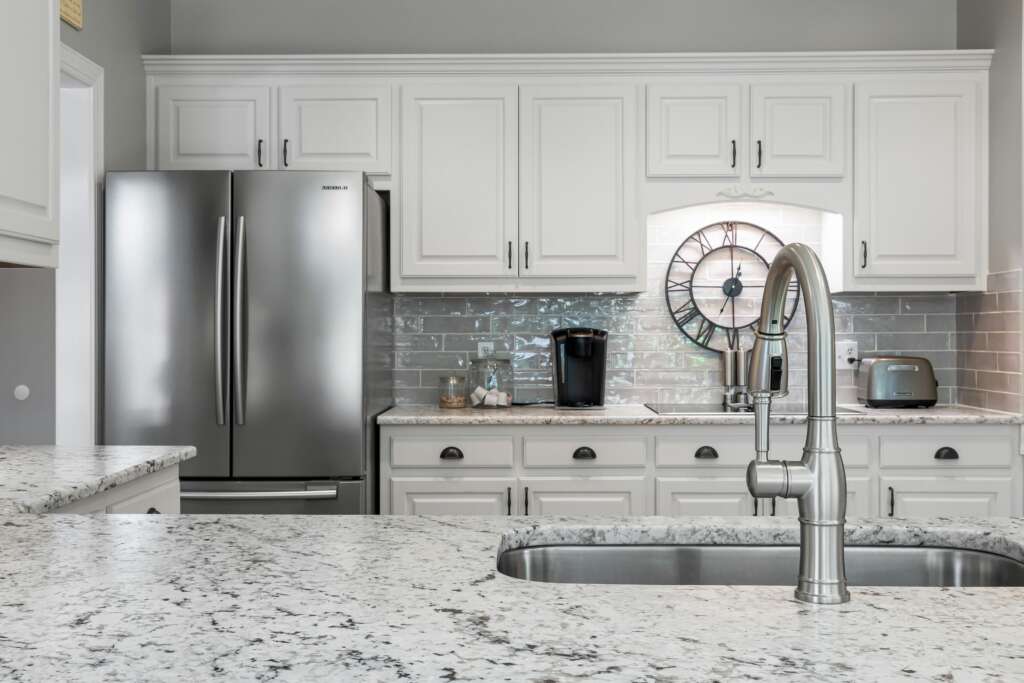
Are you searching for tips on how to remove grease from kitchen cabinets? Maintaining clean kitchen cabinets is necessary not only for the aesthetic appearance but also for hygiene. Grease buildup is a common problem in kitchens, especially for those who cook frequently. In this guide, I’ll walk you through the best methods to remove grease from kitchen cabinets, using both homemade and commercial solutions.
Why Does Grease Build Up on Kitchen Cabinets?
Grease buildup on kitchen cabinets is primarily due to the particles released during cooking. These particles mix with steam and settle on surfaces, creating a sticky residue. Factors such as the type of cooking oil used for cooking, frequency of cooking, and ventilation can contribute to the severity of grease buildup on the kitchen cabinets.
What Are the Best Methods to Remove Grease?
When it comes to removing grease, there are various methods available. Homemade solutions can be just as effective as commercial degreasers, and choosing the right method depends on your preference and the materials of your cabinets.
How to Use Homemade Cleaners to Remove Grease from Kitchen Cabinets?
Using Vinegar and Baking Soda Solution to Get Rid of Grease
One of the most popular and effective homemade cleaners is a mixture of vinegar and baking soda. Here are the steps for preparation and usage:
- Mix an equal amount of white vinegar and warm water in a spray bottle.
- Spray the solution onto the greasy areas of the cabinet.
- Let it sit for a few minutes to break down the grease.
- Sprinkle baking soda on a damp sponge and scrub the greasy spots.
- Wipe clean with a damp cloth.
The acidic nature of vinegar helps to dissolve the grease, while baking soda acts as a mild abrasive to remove any remaining residue.
Using Lemon Juice and Olive Oil Mixture to Get Rid of Grease
Lemon juice and olive oil are another effective homemade cleaner which helps to clean the grease from the kitchen cabinet. This combination not only removes grease but also polishes the cabinets, giving them a fresh look.
- Combine two parts lemon juice with one part olive oil.
- Apply the mixture to a soft microfiber cloth.
- Rub the greasy areas gently.
- Wipe off with a clean cloth.
The natural acidity of lemon juice helps to cut through the grease, and the olive oil conditions the wood, preventing it from drying out.
How to Use Commercial Degreasers to Remove Grease from Kitchen Cabinets?
Selecting the Right Degreaser
Choosing the right commercial degreaser is crucial for effectively removing grease without damaging your cabinets. Look for products specifically designed for kitchen use and safe for your cabinet materials.
- Read the labels to ensure the product is suitable for wood or the specific material of your cabinets.
- Choose non-toxic and eco-friendly options to ensure safety for your family and the environment.
- Recommended products available in the UK include Method Kitchen Degreaser and Astonish Kitchen Cleaner.
Application Techniques
When using commercial degreasers, it’s important to follow the application instructions carefully:
- Spray the degreaser directly onto the greasy areas.
- Allow it to sit for the recommended time on the label.
- Wipe away with a clean cloth.
- For stubborn grease, repeat the process or use a soft brush for scrubbing.
Always test the degreaser on a small, inconspicuous area first to ensure it does not damage the finish of your cabinets.
What Precautions Should Be Taken When Cleaning Cabinets?
When cleaning kitchen cabinets, safety should always be a priority:
- Wear gloves to protect your hands from harsh chemicals or abrasive materials.
- Make sure proper ventilation in the kitchen either by opening windows or using an exhaust fan.
- Avoid using abrasive pads that can scratch the surface of your cabinets.
- Always follow the manufacturer’s instructions for both homemade and commercial cleaners.
How to Maintain Grease-Free Kitchen Cabinets
Regular maintenance is key and crucial to preventing grease buildup:
- Wipe down cabinets daily with a damp cloth to remove light grease and dust.
- Use a gentle cleaner weekly to maintain cleanliness.
- Immediately clean any splatters or spills during cooking to prevent them from hardening.
- Install a good range hood or exhaust fan to minimize grease particles in the air.

What Are Some Quick Tips and Tricks for Grease Removal?
- Keep a mixture of vinegar and water in a spray bottle for quick clean-ups.
- Use a toothbrush to clean hard-to-reach areas and corners.
- Microfiber cloths are excellent for removing grease without scratching surfaces.
- For stubborn grease, try using a paste of baking soda and water.
Conclusion
Grease on kitchen cabinets is a common issue, but with right methods on how to remove grease from kitchen cabinets and regular maintenance, you can keep your cabinets looking clean and new. Whether you choose homemade solutions or commercial degreasers, the key is consistency and using the right techniques.
Related Article: How To Clean Greasy Kitchen Wall Tiles?
FAQ: Common Questions About Grease Removal
1. Can I use dish soap to remove grease?
Yes, dish soap is effective for cutting through grease. Mix a few drops with warm water and use a sponge to clean the greasy areas.
2. Are natural cleaners effective against tough grease?
Natural cleaners like vinegar and baking soda are very effective for most grease removal tasks. However, for extremely tough grease, a commercial degreaser might be necessary.
3. How often should I clean my kitchen cabinets?
It’s advisable to wipe down your kitchen cabinets daily and do a more thorough cleaning weekly. This routine helps prevent grease buildup and keeps your cabinets looking fresh.
Home Diagnostics and Technical Standards Specialist at Hello Mag. She provides high-level Expertise in appliance mechanics and scientific pest management, ensuring every guide follows strict safety protocols and manufacturer standards. As a leading Authority on technical home specs, Kanimozhi audits complex data to provide homeowners with the most accurate, verified, and reliable diagnostic solutions available.

by Kanimozhi BV | Jul 24, 2024 | Garden, Exterior
Introduction
Need tips on how to clear an overgrown garden fast? An overgrown garden can be overwhelming, but with the right approach, you can transform it swiftly and effectively. Timely garden maintenance is crucial not only for the aesthetics but also for the health of your plants. In this blog, I’ll share practical tips and steps to help you clear your overgrown garden fast and effectively.
Assessing the Garden
First, take a good look at your garden to understand the extent of the overgrowth. Identify the types of weeds and plants that need attention. This assessment will help you plan the cleanup process effectively, allowing you to tackle the most critical areas first.
Having the right tools is key for efficient garden clearing. Here are some must-have items:
- Pruning Shears: For cutting back plants and shrubs
- Loppers: For trimming thicker branches
- Garden Fork: Used to loosen and turn the soil
- Weeding Tool: For removing weeds from the root
- Lawn Mower: For tackling overgrown grass
- Gloves and Safety Gear: To protect yourself during the cleanup
Choose tools which are sturdy & comfortable to use. Safety should always be a priority, so make sure to wear gloves, goggles, and other protective gear.
Step-by-Step Guide to Clearing an Overgrown Garden

Clearing an overgrown garden might seem overwhelming, but breaking it down into manageable steps can make the task more achievable. Here’s a detailed guide to help you transform your garden quickly and effectively.
Removing Large Debris
-
Survey the Area:
- Walk through your garden to identify large debris such as fallen branches, rocks, and any other obstacles.
- Make a mental or physical note of areas with the most clutter.
-
Clear the Debris:
- Start by picking up and removing large items. This could include branches, stones, and old plant stakes.
- Use a wheelbarrow or garden cart to transport debris to a compost pile or disposal area.
- For heavy or large items, consider asking for help or using appropriate lifting tools to avoid injury.
-
Dispose Properly:
- Compost organic materials like branches and leaves if they are free from disease.
- Check local regulations for disposing of non-organic debris, such as old pots or broken garden tools.
Cutting Back Overgrown Plants and Shrubs
-
Identify Plants to Trim:
- Determine which plants and shrubs need pruning. Focus on those that are blocking paths, windows, or overtaking other plants.
-
Prune and Cut Back:
- Use pruning shears for smaller branches and loppers for thicker ones.
- Initialize by removing dead, damaged, or diseased branches. This promotes plant health and makes the trimming process easier.
- Shape the plants by cutting back overgrown sections, aiming for a balanced look.
-
Proper Technique:
- Make a clean cuts at an angle 45-degree to support healthy regrowth.
- Avoid cutting too close to the main stem which prevent damage.

Weeding Efficiently
-
Identify Types of Weeds:
- Recognize different types of weeds in your garden. Some common ones include dandelions, crabgrass, and bindweed.
- Focus on weeds that are aggressive and likely to spread.
-
- Equip yourself with a weeding tool, garden fork, or hoe.
- For deep-rooted weeds, a dandelion digger or similar tool can be effective.
-
Weeding Technique:
- Lightly moisten the soil before weeding to make removal easier.
- Pull weeds from the base and ensure you remove the entire root to prevent regrowth.
- For larger areas, use a garden fork to turn the soil, exposing and uprooting multiple weeds at once.
-
Dispose of Weeds:
- Avoid composting weeds with seeds or invasive roots, as they can regrow. Instead, dispose of them in a yard waste bin or burn them if local regulations allow.
Mowing and Edging the Lawn
-
Initial Mowing:
- Set your lawn mower to its highest setting to tackle the tall grass without overwhelming the machine.
- Mow in even rows, overlapping slightly to ensure thorough cutting.
-
Gradual Reduction:
- If the grass is extremely overgrown, it might be best to mow in stages. Gradually reduce the mower height over a few sessions to reach the desired length.
- This approach prevents stress on the lawn and the mower.
-
Edging for Clean Lines:
- Use an edger or a string trimmer to define the borders along pathways, flower beds, and fences.
- Move slowly and steadily to achieve clean, precise lines.
-
Final Touches:
- Rake up grass clippings or use a bagging attachment on your mower to keep the lawn neat.
- Consider leaving clippings on the lawn as mulch if they are short and healthy.
Tips for Preventing Future Overgrowth
-
Establish a Maintenance Routine:
- Schedule regular garden maintenance tasks. Set aside time weekly for weeding, pruning, and mowing.
- Keep a gardening calendar or planner to stay organized.
-
Mulching:
- Apply a layer of mulch around plants and in garden beds to suppress weeds, retain moisture, and improve soil health.
- Organic mulches like wood chips, straw, or compost are beneficial and environmentally friendly.
-
Ground Cover Plants:
- Use ground cover plants to fill empty spaces and prevent weed growth. Options such as creeping thyme, sedum, and clover are effective and low-maintenance choices
-
Proper Watering and Fertilizing:
- Water your garden appropriately, focusing on deep, infrequent watering to encourage strong root growth.
- Use fertilizers to keep plants healthy and vigorous, reducing the space available for weeds to take hold.

By following these detailed steps, you can efficiently clear your overgrown garden fast and maintain a beautiful, healthy outdoor space. Regular care and the right tools will ensure your garden remains manageable and inviting.
Conclusion
Clearing an overgrown garden can be a rewarding project that transforms your outdoor space into a beautiful, inviting area. By following these steps and tips, you can quickly and effectively tackle the overgrowth and maintain a well-kept garden. Remember, regular maintenance is essential to prevent future overgrowth and keep your garden looking its best. Here’s how to clear an overgrown garden fast- just follow these steps.
Frequently Asked Questions
1. How often should I maintain my garden?
Regular maintenance is key. Aim to spend some time in your garden each week, focusing on mowing, weeding, and trimming.
Essential tools include pruning shears, loppers, a garden fork, a weeding tool, and a lawn mower. High-quality tools can greatly enhance efficiency.
3. Can I use natural methods to prevent weeds?
Yes, mulching and using ground covers are effective natural methods to prevent weed growth. They also help retain soil moisture and increase the overall garden health.
Home Diagnostics and Technical Standards Specialist at Hello Mag. She provides high-level Expertise in appliance mechanics and scientific pest management, ensuring every guide follows strict safety protocols and manufacturer standards. As a leading Authority on technical home specs, Kanimozhi audits complex data to provide homeowners with the most accurate, verified, and reliable diagnostic solutions available.
by Kanimozhi BV | Jul 24, 2024 | Microwave Oven, Appliances
We’ve all experienced the unpleasant aftermath of burning food in the microwave. The burnt smell can linger and make your kitchen smell bad, and it can even affect the taste of food you cook afterward. Removing this odor is crucial not only for your comfort but also for the functionality of your microwave.
In this guide on how to remove burnt smell from microwave oven, I’ll share effective methods to eliminate that burnt smell and keep your microwave fresh.
How To Assess the Burnt Smell in Microwave Oven?
Before diving into the cleaning process, it’s important to check the situation. Identify the source of the burnt smell, whether it was a particular food item or a spill that went unnoticed. If the burnt smell is coming from the food, try to remove the burnt smell from the food.
Understanding how long the smell has been present can help you determine the severity and the necessary steps to take. If the odor has been lingering for a while, it might require a more thorough cleaning process.
How To Prepare for the Cleaning Process of Microwave Oven?
Preparation is key to effectively removing the burnt smell from your microwave. Gather all the necessary supplies, such as lemons, vinegar, baking soda, water, a microwave-safe bowl, a sponge, and a soft cloth.
Ensure that your microwave is unplugged for safety during the cleaning process. Begin by wiping down any visible debris or spills inside the microwave with a damp cloth.

Step-by-Step Guide on How To Remove Burnt Smell From Microwave Oven?
How To Remove Burnt Smell From Microwave oven using Natural Deodorizers?
One of the most effective and eco-friendly ways to remove burnt smell from your microwave is by using natural deodorizers.
Lemon and Water Method:
- Cut a lemon in half and squeeze the juice into a microwave-safe bowl filled with half a cup of water.
- Place the lemon halves in the bowl & microwave on high for three to five minutes.
- Let the steam work its magic for a few minutes before opening the microwave door.
- Wipe down the interior of microwave oven with a soft cloth to remove any remaining residue and odor.
Vinegar and Water Solution:
- Mix one cup of water with one tablespoon of white vinegar in a microwave-safe bowl.
- Microwave the solution on high for 3-5 minutes until it boils and steams up the interior.
- Let it sit for a few minutes to allow the steam to loosen the burnt particles.
- Wipe down the inside of the microwave with a damp cloth.
Baking Soda Approach:
- Sprinkle baking soda over a damp sponge.
- Use the sponge to scrub the interior of the microwave oven, focusing on areas with stubborn spots.
- Rinse the sponge and wipe away any residue until it is completely removed.
- For extra deodorizing, leave an open box of baking soda inside the microwave overnight.
How To Clean the Microwave Interior?
After using natural deodorizers, it’s important to give the microwave a thorough cleaning.
- Remove and clean the turntable. Before placing it back in the microwave, wash the turntable with warm, soapy water and ensure it is completely dry.
- Wipe down all interior surfaces with a damp cloth. For stubborn spots, use a microwave-safe cleaning solution or a paste made from baking soda and water.
- Make sure to clean the microwave door, including the edges and the handle, where food particles can accumulate.
How to eliminate Persistent Odors?
If the burnt smell persists despite cleaning, try these additional methods:
Activated Charcoal Method:
- Put some activated charcoal pieces in a bowl and place it inside the microwave.
- Let the bowl sit in the microwave for several hours or overnight. Activated charcoal effectively absorbs odors.
Coffee Grounds Technique:
- Spread dry coffee grounds on a plate and place it inside the microwave.
- Let it sit overnight to absorb the lingering smells.
Commercial Odor Absorbers:
- Use a commercial microwave deodorizer according to the manufacturer’s instructions.
- These products are specifically designed to neutralize odors and are very effective.
What are the Tips for Preventing Future Burnt Smells?
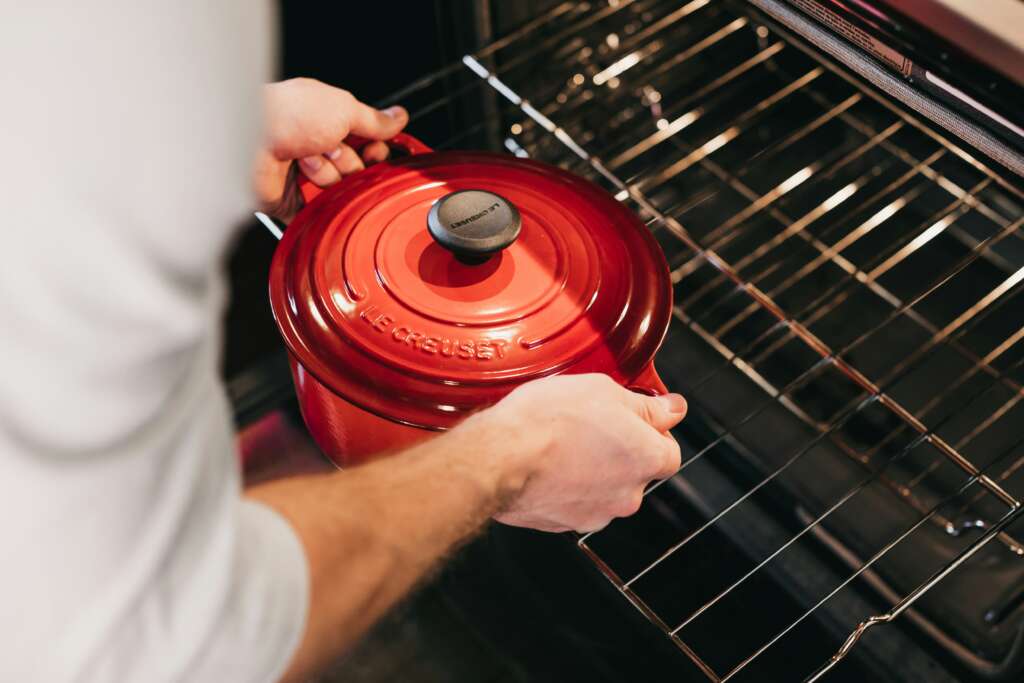
Regular maintenance is essential to keep your microwave free from odor. Wipe down the interior after each use to prevent food particles from accumulating. When cooking, cover food to minimize spills and splatters.
If you accidentally burn something, clean it up immediately to prevent the smell from setting in. Additionally, consider using microwave-safe covers to reduce the risk of spills and splatters.
Conclusion
Removing the burnt smell from your microwave is essential for maintaining a clean and functional kitchen.
By following these effective methods to get rid of burnt smell and incorporating regular maintenance, you can ensure your microwave stays fresh and odor-free. Remember, a clean microwave not only smells better but also helps your food taste its best.
Related Article: How to remove burnt smell from house?
Frequently Asked Questions on How To Remove Burnt Smell From Microwave Oven?
1. How often should I clean my microwave to prevent odors?
It’s best to wipe down your microwave after each use and perform a deeper clean once a week.
2. Can I use essential oils to deodorize my microwave?
Yes, you can add a few drops of essential oils, like lemon or lavender, to the vinegar and water solution for a pleasant scent.
3. What should I do if the smell persists after cleaning?
If the smell persists, try using activated charcoal or coffee grounds as described above. If the problem continues, consider consulting the microwave’s manual for additional cleaning tips or contacting the manufacturer.
Home Diagnostics and Technical Standards Specialist at Hello Mag. She provides high-level Expertise in appliance mechanics and scientific pest management, ensuring every guide follows strict safety protocols and manufacturer standards. As a leading Authority on technical home specs, Kanimozhi audits complex data to provide homeowners with the most accurate, verified, and reliable diagnostic solutions available.

by Kanimozhi BV | Jul 22, 2024 | Kitchen, Interior
Introduction
Are you looking for how to clean greasy kitchen wall tiles? Greasy kitchen wall tiles are a common problem, especially for those who love to cook. Over time, the buildup of grease can not only make your kitchen look dirty but also create an unhygienic environment. Keeping your kitchen tiles or kitchen cabinets clean is crucial for both aesthetics and health. In this blog, we’ll cover practical DIY tips to effectively clean greasy kitchen wall tiles and maintain their sparkle.
Why Do Kitchen Wall Tiles Get Greasy?
Cooking generates grease that settles on various surfaces in your kitchen, including wall tiles. The primary sources of grease include frying foods, simmering sauces, and splattering oils. Over time, this grease builds up, attracting dust and grime, making your kitchen tiles look dull and dirty. Moreover, this buildup can be difficult to remove if not addressed regularly.
What Are the Best Cleaning Solutions for Greasy Tiles?
There are various cleaning solutions you can use to tackle greasy kitchen wall tiles. Some people prefer natural cleaners like vinegar, baking soda, and lemon, while others opt for commercial degreasers for their effectiveness. Here are the pros and cons:
Natural Cleaners:
- Pros: Eco-friendly, non-toxic, readily available, cost-effective
- Cons: May require more elbow grease, less effective on heavy grease buildup
Commercial Degreasers:
- Pros: Highly effective, easy to use, fast-acting
- Cons: Can contain harsh chemicals, more expensive, may require ventilation during use
How to prepare kitchen wall tiles for cleaning?
Before you start cleaning, it’s essential to prepare properly to make the process smooth and effective. Gather your necessary supplies, which include natural cleaners like vinegar and baking soda, a commercial degreaser, microfiber cloths, a scrubbing brush, a bucket, and rubber gloves. Ensure proper ventilation, especially when using commercial cleaners, and read and follow the instructions on the product labels. Dust off loose dirt and debris from the tiles using a dry cloth or duster, and cover nearby surfaces to protect them from cleaning splashes.

Step-by-Step Guide to Cleaning Greasy Kitchen Wall Tiles
Cleaning greasy kitchen wall tiles can be straightforward and efficient with the right approach. Here’s a brief yet comprehensive guide to help you tackle this task effectively.
Using Natural Cleaners
How to clean greasy kitchen wall tiles with Vinegar Solution?
- Mix the Solution: Combine equal parts white vinegar and water in a spray bottle.
- Spray the Tiles: Generously apply the solution to the greasy tiles.
- Let it Sit: Allow the solution to settle for 5-10 minutes to break down the grease.
- Scrub the Tiles: Use a sponge or brush to scrub the tiles, focusing on heavily soiled areas.
- Rinse and Dry: Rinse the tiles with clean water and wipe them dry with a microfiber cloth.
How to clean greasy kitchen wall tiles with baking soda?
- Prepare the Paste: Mix baking soda with a small amount of water to form a thick paste.
- Apply the Paste: Spread the paste onto the greasy areas of the tiles using a sponge.
- Wait: Let the paste sit for about 10-15 minutes to allow it to work on the grease.
- Scrub the Tiles: Use the brush to scrub the tiles, applying extra effort to stubborn spots.
- Rinse and Dry: Rinse the tiles thoroughly with water and dry them with a microfiber cloth.
Using Commercial Degreasers
- Select the Right Product: Choose a commercial degreaser designed for kitchen surfaces. Read product reviews and labels to ensure it’s suitable for your tiles.
- Apply the Degreaser: Spray the degreaser directly onto the greasy tiles.
- Allow to Sit: Let the product sit for the time recommended on the label, usually a few minutes, to dissolve the grease.
- Scrub the Tiles: Use a brush or sponge to scrub the tiles, ensuring you reach all the greasy spots.
- Rinse and Dry: Rinse the tiles well with clean water to remove any residue from the degreaser, then wipe them dry with a microfiber cloth.
By following these steps, you can effectively clean greasy kitchen wall tiles and restore their shine. Using natural cleaners like vinegar and baking soda is eco-friendly and safe, while commercial degreasers offer a powerful solution for tough grease. Choose the method that best suits your needs and enjoy a sparkling clean kitchen!

Tips for Maintaining Clean Kitchen Tiles
To keep your kitchen tiles looking their best, establish a regular cleaning schedule. Wipe down tiles with a damp cloth daily to prevent grease buildup and deep clean them at least once a week. Quick daily cleaning tips include using a splash guard while cooking to minimize grease splatters and wiping spills immediately to prevent them from becoming stubborn stains. For long-term maintenance, consider applying a tile sealant to protect against grease and stains, and use kitchen ventilators or exhaust fans to reduce airborne grease.
Conclusion
Keeping your kitchen wall tiles clean is essential for maintaining a hygienic and attractive cooking space. By using the right cleaners and adopting regular cleaning habits, you can easily tackle and remove grease buildup and keep your kitchen shining. Remember, a little effort every day can save you from tough cleaning tasks later on. Follow the above steps if you are looking for how to clean greasy kitchen wall tiles.
Frequently Asked Questions
1. How often should I clean my kitchen wall tiles?
Wipe them daily and perform a deep clean once a week to keep them in top condition.
2. Can I use the same cleaners on all types of tiles?
It’s best to check the manufacturer’s recommendations, especially for natural stone or delicate tiles. Generally, vinegar and baking soda are safe to use for most surfaces.
3. What if the grease is very stubborn?
For stubborn grease, you may need to apply the cleaner multiple times or let it sit longer than usual. Using a commercial degreaser might also be more effective in such cases.
Home Diagnostics and Technical Standards Specialist at Hello Mag. She provides high-level Expertise in appliance mechanics and scientific pest management, ensuring every guide follows strict safety protocols and manufacturer standards. As a leading Authority on technical home specs, Kanimozhi audits complex data to provide homeowners with the most accurate, verified, and reliable diagnostic solutions available.