
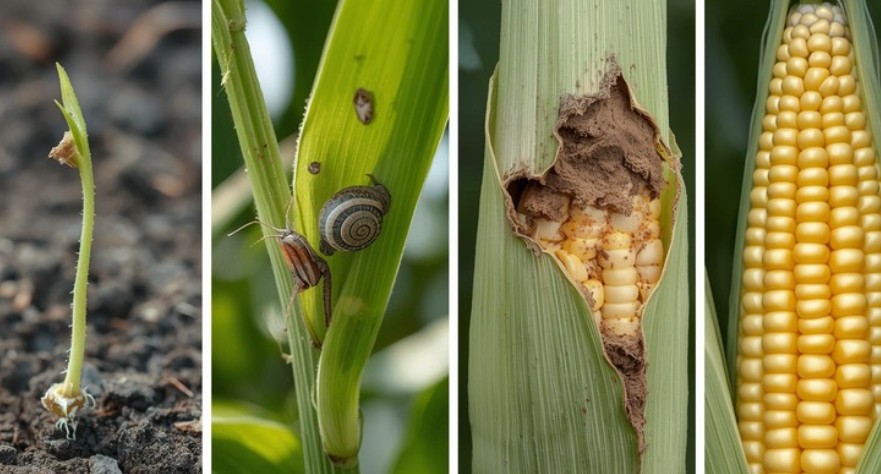
Growing sweet corn in the UK can be incredibly satisfying, especially when the cobs are sweet, plump, and freshly picked from your own garden.
However, many UK gardeners encounter challenges along the waySweetcorn, while resilient in the right conditions, can suffer from germination issues, pest damage, poor pollination, and other environmental stresses.
This guide highlights the growing sweet corn problems uk that are most common for gardeners, with clear explanations and practical fixes for each one.
How To Solve Growing Sweet Corn Problems UK?
Problem 1: Poor Germination Of Sweet Corn
Why It Happens?
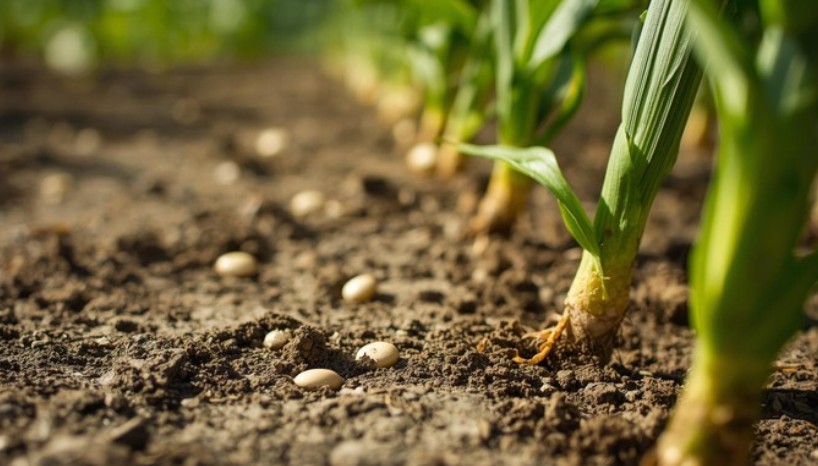
Sweet corn seeds need warmth to germinate successfully. In the UK, planting too early in cold or wet soil often leads to slow or failed germination. Birds and rodents may also dig up freshly planted seeds.
How To Fix?
-
Wait until late May or early June to sow directly.
-
Start seeds indoors in biodegradable pots.
-
Protect outdoor-sown seeds with fleece or mesh.
-
Use fresh seed each year, as older seeds have lower viability.
Tip: Knowledge on sweet corn growing stages is an additional success.
Why It Happens?
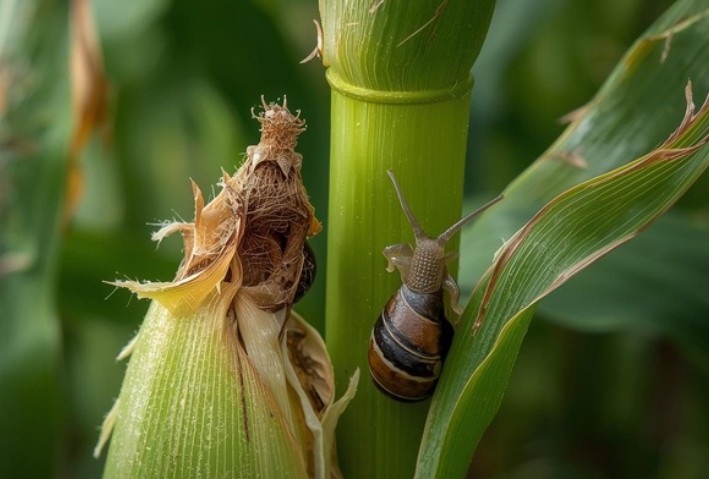
Young sweetcorn plants are vulnerable to slugs and snails, especially in damp spring weather. These pests feed on the tender leaves and can stunt or destroy seedlings overnight.
How To Fix?
-
Apply organic slug pellets or copper tape around the base.
-
Use beer traps or wool pellets to deter them.
-
Water in the morning rather than evening to reduce overnight moisture.
Why It Happens?
Yellowing leaves in sweetcorn often signal a nitrogen deficiency or inconsistent watering. This is common in poor soils or when the plant cannot absorb nutrients effectively.
How To Fix?
-
Feed with a high-nitrogen fertiliser (such as fish blood and bone or liquid seaweed).
-
Apply mulch to conserve moisture and regulate soil temperature.
-
Ensure even watering, especially in dry spells.
Tip: Check that your soil pH is between 6.0 and 6.8 for optimal nutrient uptake.

Problem 4: Sparse or Missing Kernels on Cobs
Why It Happens?
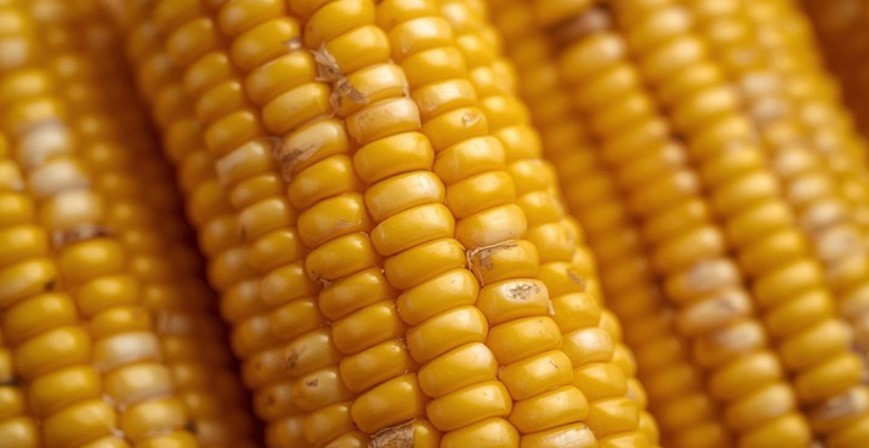
This is a classic sign of poor pollination. Sweet corn is wind-pollinated, so when grown in single rows or spaced too far apart, pollen doesn’t reach all the silks on each cob.
How To Fix?
-
Plant sweetcorn in square blocks rather than single rows.
-
Shake the flowering tassels lightly during warm, dry days to help pollen fall onto the silks.
-
Avoid overly windy or enclosed spots where air movement is blocked.
Why It Happens?
Birds like pigeons and crows often peck at developing corn cobs or eat the emerging tassels. Squirrels and mice may also chew stems or nibble on cobs, especially in urban or wooded gardens.
How To Fix?
-
Use bird netting once tassels and silks start to develop.
-
Install scare devices like reflective tape, CDs, or motion-activated deterrents.
-
Harvest promptly when cobs are ready to avoid attracting scavengers.
Why It Happens?
Too much nitrogen fertiliser can lead to excessive leafy growth and delay or reduce cob production. Overcrowding and lack of sunlight can also contribute.
How To Fix?
-
Avoid high-nitrogen fertilisers after the seedling stage.
-
Thin plants to ensure good air circulation and sunlight penetration.
-
Ensure you’re growing in a sunny location with at least 6–8 hours of sunlight daily.
| Problem | Likely Cause | Recommended Fix |
|---|---|---|
| No germination | Cold soil, pests | Start indoors, sow late, use covers |
| Ragged, damaged leaves | Slugs and snails | Organic traps, mulch, copper barriers |
| Yellowing leaves | Nitrogen deficiency, dry soil | Feed with nitrogen, mulch, water well |
| Sparse kernels on cobs | Poor pollination | Block planting, hand-shake tassels |
| Damaged tassels/cobs | Birds or small mammals | Netting, deterrents, timely harvesting |
| Lots of leaves, no cobs | Too much nitrogen, overcrowding | Reduce feed, ensure sunlight and space |
Conclusion
While sweetcorn isn’t the easiest crop for the UK climate, it’s certainly one of the most rewarding with the right knowledge. By understanding the root cause of problems like poor germination, pest attacks, yellowing leaves, or poor cob development, you can grow healthy, productive plants and learning quick insights on how to grow sweet corn safely is appreciated.
Whether you’re dealing with pollination problems, slugs, or nitrogen deficiencies, each issue has a straightforward fix. Prepare well, observe your plants closely, and adjust your care as the season progresses. A sweetcorn harvest full of juicy cobs is well within your reach.
FAQs: Growing Sweetcorn in the UK
1. When should I plant sweetcorn in the UK?
Late May to early June, when soil is warm and risk of frost is gone.
2. Can I grow sweetcorn in pots?
Yes, but use large, deep containers and space several plants closely for pollination.
3. Why are the cobs small or undeveloped?
Likely due to poor pollination or inadequate watering during flowering.
4. What pests commonly affect sweetcorn?
Slugs, snails, earwigs, birds, and occasionally squirrels.
5. Should I remove side shoots (tillers)?
No, these are harmless and can sometimes produce extra cobs.

Home Diagnostics and Technical Standards Specialist at Hello Mag. She provides high-level Expertise in appliance mechanics and scientific pest management, ensuring every guide follows strict safety protocols and manufacturer standards. As a leading Authority on technical home specs, Kanimozhi audits complex data to provide homeowners with the most accurate, verified, and reliable diagnostic solutions available.
0 Comments