

- Quick Note: How Often to Water Grass Seed?
- What Happens After You Sow Grass Seed?
- How Often to Water Grass Seed? - A Step‑by‑Step Guide
- How Much Water Does New Grass Seed Need?
- When is the Best Times of Day to Water Your Lawn?
- How Weather & Soil Type Affect Watering Schedules?
- What are the Signs Your Grass Seed Needs Water?
- What are the Mistakes That Can Ruin Your Watering Efforts?
- When to Transition to Regular Lawn Watering?
- Quick Troubleshooting: Common Grass‑Seeding Issues
- Conclusion
- What are the FAQs About How Often To Water Grass Seed in the UK?
Quick Note: How Often to Water Grass Seed?
For a successful UK lawn, follow this moisture-first schedule:
-
- Sowing Day: Water for 5–10 minutes with a fine mist spray.
- Weeks 1–2: Water 2–4 times per day to keep topsoil moist.
- Week 3: Reduce to once per day as sprouts appear.
- Week 4+: Transition to 2–3 deep sessions per week for root growth.
Pro Tip: Never let the soil dry out during germination, but avoid puddling!
A healthy, green lawn begins with something deceptively simple: water. If you’ve just sown grass seed in your garden, you may be wondering how often to water grass seed to give it the best chance of becoming a thriving, lush lawn.
In this guide, you’ll learn exactly when, how, and how often to water new grass seed—all tailored to typical UK climate conditions. Whether you’re working with loamy soil in London or clay-heavy ground in Yorkshire, this article will help you create a garden you’re proud of.
What Happens After You Sow Grass Seed?
Once you scatter the seed, it enters a delicate phase: germination. During this period (usually 7–21 days), the seed needs consistent moisture to sprout. Without proper watering, seeds can dry out and fail to grow.
You won’t see results overnight. Under UK conditions, germination typically starts within 10–14 days, but that timeline depends on the type of seed, temperature, and how moist the soil stays.
If the topsoil dries out during grass seed germination, the seedlings could die before they even break through.
Proper soil contact is crucial at this stage—if you’re unsure whether grass seed can successfully sprout without being covered, read our guide on will grass seed germinate on top of soil.
How Often to Water Grass Seed? – A Step‑by‑Step Guide
1. On the Day You Sow
After sowing your grass seed:
-
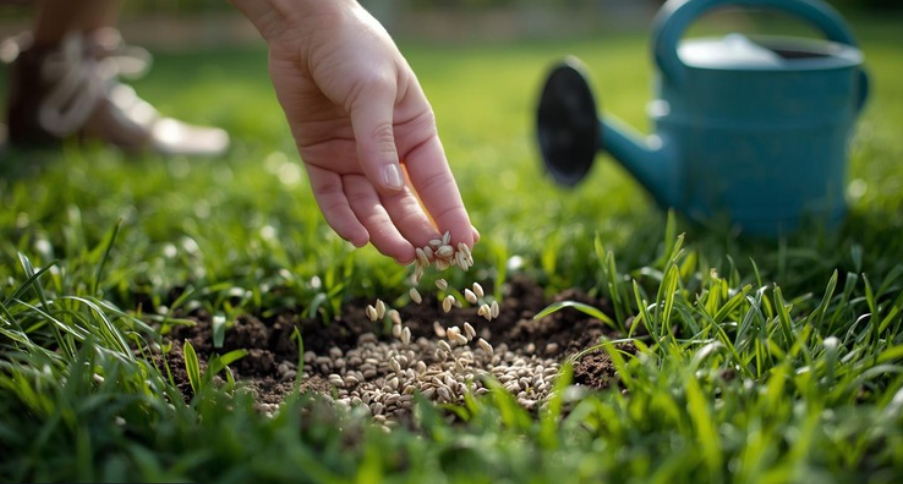
Lightly water the area for 5–10 minutes.
-
Ensure the seed is in good contact with the soil without creating puddles.
-
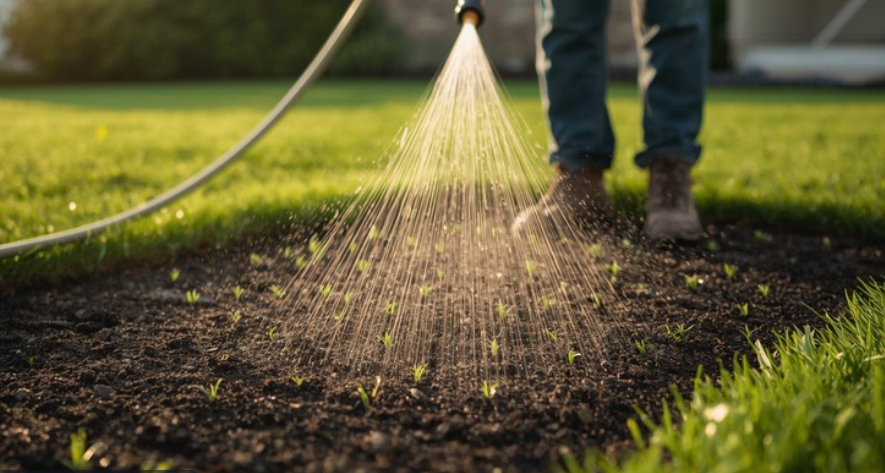
Use a fine spray or mist to avoid washing seeds away.
2. During Germination (First 1–2 Weeks)
This stage is critical.
Water 2–4 times per day, especially if:
-
The weather is dry or sunny
-
The soil feels dry to the touch
Best Times to Water:
-
Early morning (6am–9am)
-
Late afternoon or early evening (4pm–6pm)
Goal: Keep the top 1–2 cm of soil moist, not soggy.
3. After Germination
Once sprouts appear:
-
Water once per day, then reduce to every other day after a week.
-
After 3 weeks, you can switch to 2–3 deep watering sessions per week.
How Much Water Does New Grass Seed Need?
You want your soil to be damp, not drenched. On average:
-
Apply ⅛ to ¼ inch (3–6 mm) of water per session
-
Use a rain gauge or even a tuna can test to measure
What are the Watering Tips?
-
Mist rather than soak
-
Don’t let the topsoil crust over
-
Avoid puddling, which may cause rot
When is the Best Times of Day to Water Your Lawn?
Time of day plays a huge role in success. Here’s a quick reference:
| Time of Day | Recommended? | Why |
|---|---|---|
| Early Morning | Yes | Cooler temperatures, less evaporation |
| Midday | No | Water evaporates quickly |
| Late Afternoon | Yes | Still warm, gives time to absorb |
| Night | Risky | Increases risk of disease (fungus/mould) |
How Weather & Soil Type Affect Watering Schedules?
Not all gardens are the same. Adjust your routine based on:
What are the UK Soil Types?
-
Sandy Soil: Drains quickly → more frequent watering
-
Clay Soil: Retains water → less frequent watering
-
Loamy Soil: Ideal mix → stick with standard schedule
How is the Weather Considerations?
-
Rainy Days: You may skip watering entirely
-
Dry/Windy Days: Consider an extra session to compensate
What are the Signs Your Grass Seed Needs Water?
Watch your garden closely. These signs tell you when to water:
-
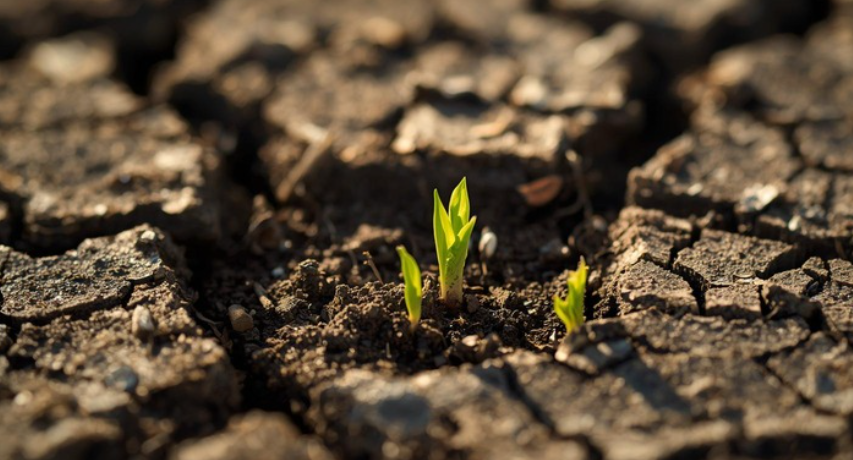
Soil looks dry, cracked or dusty
-
Seedlings are wilting or dull green
-
You leave footprints on the soil — a sign it’s too dry
What are the Mistakes That Can Ruin Your Watering Efforts?
Here are common watering errors to avoid:
-
Overwatering: Causes seeds to rot or wash away
-
Underwatering: Delays germination or kills sprouts
-
Inconsistent schedule: Leads to patchy growth
-
Watering during peak heat: Leads to quick evaporation
When to Transition to Regular Lawn Watering?
Once your grass reaches 2–3 cm and has rooted:
-
Switch to twice-weekly deep watering
-
Encourage deeper root growth for resilience
-
Start mowing once it hits 5–7 cm, then water after each mow
Quick Troubleshooting: Common Grass‑Seeding Issues
-
Patchy Germination: Uneven watering or poor soil contact
-
Weeds Growing: Use a pre-seed weed treatment or weed by hand
-
Moss Appearing: Overwatering or poor drainage
-
Seeds Washed Away: Rainfall too soon after sowing
Conclusion
If you’re aiming for a rich, green UK lawn, mastering how often to water grass seed is essential. Stick to a schedule, adapt to the weather, and observe your soil. With a little patience and care, you’ll transform bare ground into a lush outdoor space.
Keep the soil moist, not soaked, and your grass seed will reward you with thick, vibrant growth.
What are the FAQs About How Often To Water Grass Seed in the UK?
1. Can I water grass seed too much?
Yes. Overwatering leads to seed rot, fungus, and seed displacement. Always aim for consistent moisture, not soaked soil.
2. What if it rains after I plant grass seed?
Light rain is helpful. Heavy rain? It might wash away seeds. Use a straw mulch or light netting if rain is expected.
3. Can I use a sprinkler system?
Absolutely. Just make sure it delivers water evenly. A timed system helps keep consistency.
4. Should I water grass seed every day?
During the first 1–2 weeks: yes, multiple times a day. After that: reduce frequency as roots grow deeper.
5. How long does grass seed take to fully establish?
You’ll see sprouts within 2 weeks. Full establishment takes 6–8 weeks. During this period, consistent watering is key.

Home Diagnostics and Technical Standards Specialist at Hello Mag. She provides high-level Expertise in appliance mechanics and scientific pest management, ensuring every guide follows strict safety protocols and manufacturer standards. As a leading Authority on technical home specs, Kanimozhi audits complex data to provide homeowners with the most accurate, verified, and reliable diagnostic solutions available.
0 Comments