by Kanimozhi BV | Feb 3, 2026 | Garden, Exterior
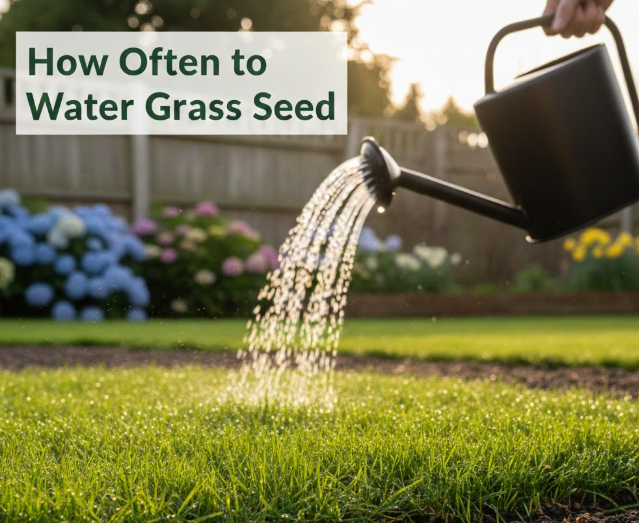
Quick Note: How Often to Water Grass Seed?
For a successful UK lawn, follow this moisture-first schedule:
-
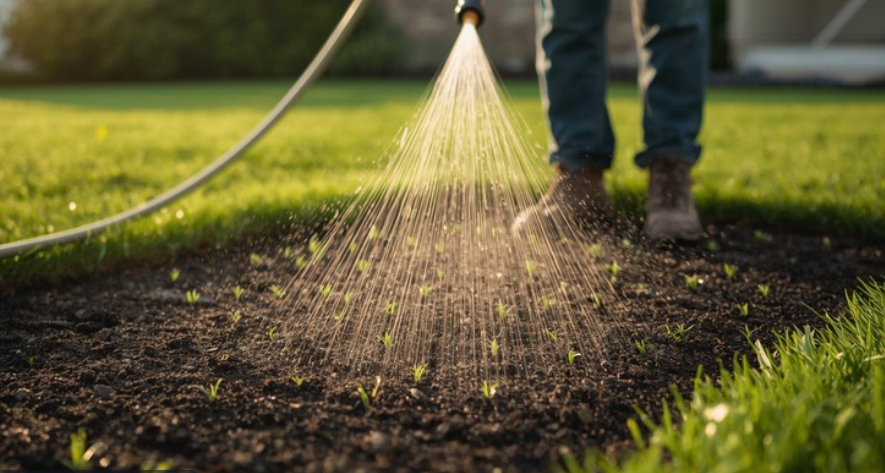
- Sowing Day: Water for 5–10 minutes with a fine mist spray.
- Weeks 1–2: Water 2–4 times per day to keep topsoil moist.
- Week 3: Reduce to once per day as sprouts appear.
- Week 4+: Transition to 2–3 deep sessions per week for root growth.
Pro Tip: Never let the soil dry out during germination, but avoid puddling!
A healthy, green lawn begins with something deceptively simple: water. If you’ve just sown grass seed in your garden, you may be wondering how often to water grass seed to give it the best chance of becoming a thriving, lush lawn.
In this guide, you’ll learn exactly when, how, and how often to water new grass seed—all tailored to typical UK climate conditions. Whether you’re working with loamy soil in London or clay-heavy ground in Yorkshire, this article will help you create a garden you’re proud of.
What Happens After You Sow Grass Seed?
Once you scatter the seed, it enters a delicate phase: germination. During this period (usually 7–21 days), the seed needs consistent moisture to sprout. Without proper watering, seeds can dry out and fail to grow.
You won’t see results overnight. Under UK conditions, germination typically starts within 10–14 days, but that timeline depends on the type of seed, temperature, and how moist the soil stays.
If the topsoil dries out during grass seed germination, the seedlings could die before they even break through.
Proper soil contact is crucial at this stage—if you’re unsure whether grass seed can successfully sprout without being covered, read our guide on will grass seed germinate on top of soil.
How Often to Water Grass Seed? – A Step‑by‑Step Guide
1. On the Day You Sow
After sowing your grass seed:
-
Lightly water the area for 5–10 minutes.
-
Ensure the seed is in good contact with the soil without creating puddles.
-
Use a fine spray or mist to avoid washing seeds away.

2. During Germination (First 1–2 Weeks)
This stage is critical.
Water 2–4 times per day, especially if:
Best Times to Water:
Goal: Keep the top 1–2 cm of soil moist, not soggy.
3. After Germination
Once sprouts appear:
-
Water once per day, then reduce to every other day after a week.
-
After 3 weeks, you can switch to 2–3 deep watering sessions per week.
How Much Water Does New Grass Seed Need?
You want your soil to be damp, not drenched. On average:
What are the Watering Tips?
When is the Best Times of Day to Water Your Lawn?
Time of day plays a huge role in success. Here’s a quick reference:
| Time of Day |
Recommended? |
Why |
| Early Morning |
Yes |
Cooler temperatures, less evaporation |
| Midday |
No |
Water evaporates quickly |
| Late Afternoon |
Yes |
Still warm, gives time to absorb |
| Night |
Risky |
Increases risk of disease (fungus/mould) |
How Weather & Soil Type Affect Watering Schedules?
Not all gardens are the same. Adjust your routine based on:
What are the UK Soil Types?
-
Sandy Soil: Drains quickly → more frequent watering
-
Clay Soil: Retains water → less frequent watering
-
Loamy Soil: Ideal mix → stick with standard schedule
How is the Weather Considerations?
What are the Signs Your Grass Seed Needs Water?
Watch your garden closely. These signs tell you when to water:
-
Soil looks dry, cracked or dusty
-
Seedlings are wilting or dull green
-
You leave footprints on the soil — a sign it’s too dry
What are the Mistakes That Can Ruin Your Watering Efforts?
Here are common watering errors to avoid:
-
Overwatering: Causes seeds to rot or wash away
-
Underwatering: Delays germination or kills sprouts
-
Inconsistent schedule: Leads to patchy growth
-
Watering during peak heat: Leads to quick evaporation
When to Transition to Regular Lawn Watering?
Once your grass reaches 2–3 cm and has rooted:
-
Switch to twice-weekly deep watering
-
Encourage deeper root growth for resilience
-
Start mowing once it hits 5–7 cm, then water after each mow
Quick Troubleshooting: Common Grass‑Seeding Issues
-
Patchy Germination: Uneven watering or poor soil contact
-
Weeds Growing: Use a pre-seed weed treatment or weed by hand
-
Moss Appearing: Overwatering or poor drainage
-
Seeds Washed Away: Rainfall too soon after sowing

Conclusion
If you’re aiming for a rich, green UK lawn, mastering how often to water grass seed is essential. Stick to a schedule, adapt to the weather, and observe your soil. With a little patience and care, you’ll transform bare ground into a lush outdoor space.
Keep the soil moist, not soaked, and your grass seed will reward you with thick, vibrant growth.
What are the FAQs About How Often To Water Grass Seed in the UK?
1. Can I water grass seed too much?
Yes. Overwatering leads to seed rot, fungus, and seed displacement. Always aim for consistent moisture, not soaked soil.
2. What if it rains after I plant grass seed?
Light rain is helpful. Heavy rain? It might wash away seeds. Use a straw mulch or light netting if rain is expected.
3. Can I use a sprinkler system?
Absolutely. Just make sure it delivers water evenly. A timed system helps keep consistency.
4. Should I water grass seed every day?
During the first 1–2 weeks: yes, multiple times a day. After that: reduce frequency as roots grow deeper.
5. How long does grass seed take to fully establish?
You’ll see sprouts within 2 weeks. Full establishment takes 6–8 weeks. During this period, consistent watering is key.
Home Diagnostics and Technical Standards Specialist at Hello Mag. She provides high-level Expertise in appliance mechanics and scientific pest management, ensuring every guide follows strict safety protocols and manufacturer standards. As a leading Authority on technical home specs, Kanimozhi audits complex data to provide homeowners with the most accurate, verified, and reliable diagnostic solutions available.
by Kanimozhi BV | Feb 2, 2026 | Pest Control
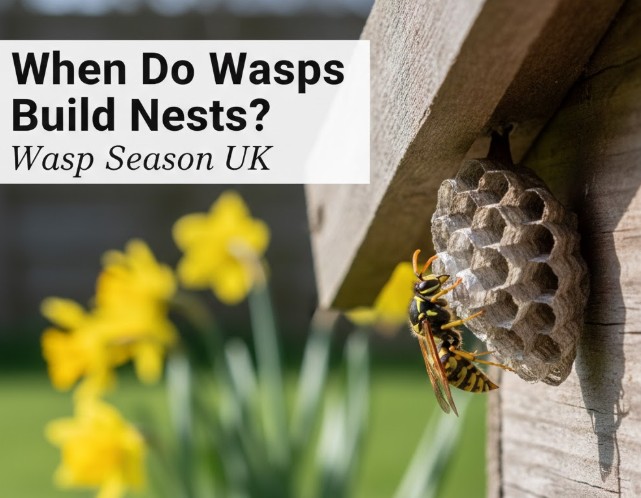
🐝 Quick Answer: When Do Wasps Build Nests?
In the UK, wasps typically begin building nests in April or May, as queen wasps emerge from hibernation. The nesting season follows this timeline:
- Spring (April–May): Queen starts the nest (golf-ball size).
- Summer (July–August): Peak activity and maximum colony size.
- Autumn (October–November): Colony dies off; nest becomes inactive.
When is the Wasp Nesting Season in the UK?
If you’ve spotted wasps buzzing around your loft, shed, or garden early in the year, you might be wondering: when do wasps actually build nests?
In the UK, spring is the official start of the wasp nesting season. This is when hibernating queens wake up and begin searching for suitable nesting spots. The earlier you understand this cycle, the better chance you have of preventing a full-blown infestation later in the summer.
When Do Wasps Build Nests? – Wasp Nest Activity by Month (UK)
Here’s a month-by-month breakdown of what wasps are doing during the year:
| Month |
Wasp Activity |
| March |
Queens begin waking from hibernation |
| April–June |
Nest building starts, first batch of workers emerge |
| July–August |
Nest population peaks; high wasp activity outdoors |
| September |
Queen stops laying; colony starts declining |
| October |
Colony collapses; new queens leave to hibernate |
| November–Feb |
Nests inactive; old nests are abandoned |
Understanding this timeline helps you know when to inspect, when to take preventive steps, and when wasp activity is at its peak.
Why Do Wasps Build Nests in Spring?
During winter, only the fertilised queen survives, hibernating in sheltered locations like bark, roof spaces, or compost heaps. When spring temperatures rise in April or May, she becomes active and starts looking for a safe, dry place to build a new nest.
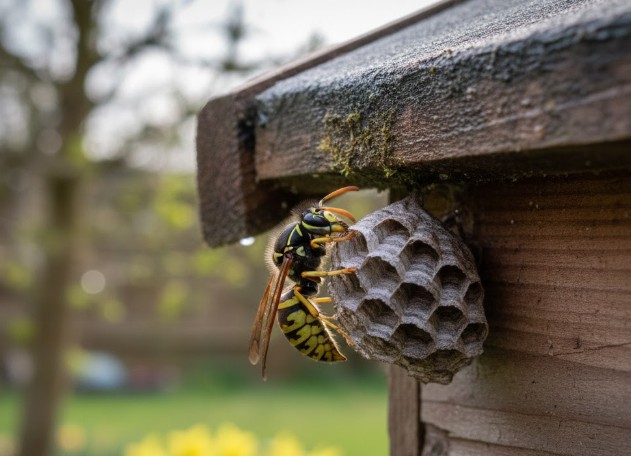
She begins construction using chewed wood mixed with saliva — forming the familiar papery nest structure. Once the first generation of worker wasps matures (within a few weeks), they take over nest-building duties while the queen continues to lay eggs.
Where Do Wasps Build Nests?
In the UK, wasps are opportunistic and adaptable. Common nesting spots include:
-
Loft spaces and roof eaves
-
Garden sheds and garages
-
Wall cavities or under decking
-
Bird boxes or compost bins
They prefer dry, undisturbed, enclosed areas that are sheltered from wind and rain.
How Fast Do Wasp Nests Grow?
A wasp nest starts off very small — roughly the size of a golf ball — but can expand rapidly. By midsummer, some nests can house over 5,000 wasps. You may not even notice a nest in spring, but by July or August, wasp numbers and activity can become overwhelming.
What are the Signs That a Wasp Nest Is Being Built?
Early detection is key. You might notice:
-
Increased wasp activity in and out of a particular hole or roof edge
-
Buzzing sounds from within a wall or loft
-
Small papery structures forming near entry points
-
Chewed wood on fences or garden furniture (used for nest material)
If you notice these signs in April or May, the nest is likely in early stages and easier to control.
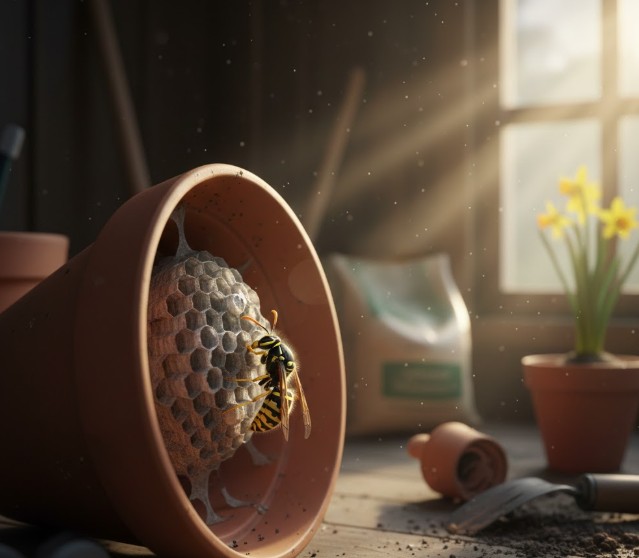
What Happens to a Wasp Nest in Autumn?
From September, the queen stops laying eggs, and the colony begins to decline. New queens are produced and fly off to hibernate, while the remaining worker wasps die out by October.
By winter, nests are completely inactive and will not be reused the following year.
Can You Prevent Wasps From Nesting?
Yes, prevention in early spring is key to avoiding a full-blown infestation. Here’s what you can do:
-
Seal small holes or gaps in lofts, sheds, and eaves
-
Inspect previous nesting areas (wasps may favour the same conditions)
-
Limit food sources outdoors, including bins and sugary drinks
-
Install fine mesh over vents and air bricks
Once a nest is active and populated, professional removal is often safest. Are they really distrube you more, then removal of wasp is the only solution.
What Should You Do If You Discover a Nest?
If the nest is small and early in development, you may consider DIY options like wasp sprays or foams. However:
-
Avoid disturbing large or active nests.
-
Keep children and pets away.
-
Contact a licensed pest control service for safe and effective removal — especially in lofts, walls, or other confined spaces.
Attempting to remove a mature nest without protection can result in multiple stings.

Conclusion
In the UK, wasps typically begin building nests in April or May, following the queen’s emergence from hibernation. The nest then grows rapidly through summer, peaking in activity around July and August. By October, most nests die off naturally.
Knowing when and where wasps build nests allows you to take early action — preventing larger problems later in the season. Whether through regular inspections, sealing entry points, or calling pest control early, staying alert in spring makes a real difference in keeping your home and garden wasp-free.
What are FAQs about When Do Wasps Build Nests in the UK?
1. When is the earliest wasps start nesting?
Some queens become active in March, but most nesting starts in April or May.
2. Do wasps use the same nest every year?
No, nests are never reused. Each nest is abandoned by late autumn.
3. How long does it take for a wasp nest to get big?
Within 6–8 weeks of the queen starting, a nest can support hundreds of wasps.
4. Can I remove an old nest in winter?
Yes. Once the colony is dead (typically by November), old nests can be safely removed.
5. Why are wasps so aggressive in late summer?
By late August, food becomes scarce and the workers become more erratic and protective of the nest.
Home Diagnostics and Technical Standards Specialist at Hello Mag. She provides high-level Expertise in appliance mechanics and scientific pest management, ensuring every guide follows strict safety protocols and manufacturer standards. As a leading Authority on technical home specs, Kanimozhi audits complex data to provide homeowners with the most accurate, verified, and reliable diagnostic solutions available.
by Kanimozhi BV | Feb 2, 2026 | Garden, Exterior
Growing sweet corn in the UK can be incredibly satisfying, especially when the cobs are sweet, plump, and freshly picked from your own garden.
However, many UK gardeners encounter challenges along the waySweetcorn, while resilient in the right conditions, can suffer from germination issues, pest damage, poor pollination, and other environmental stresses.
This guide highlights the growing sweet corn problems uk that are most common for gardeners, with clear explanations and practical fixes for each one.
How To Solve Growing Sweet Corn Problems UK?
Problem 1: Poor Germination Of Sweet Corn
Why It Happens?
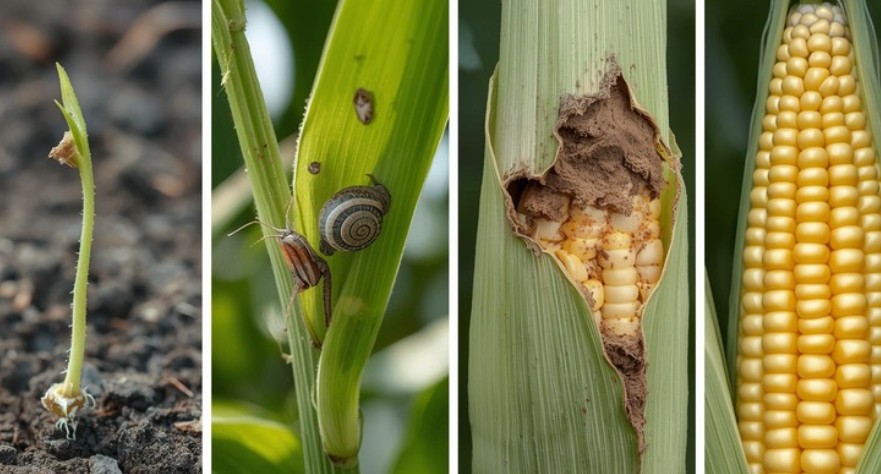
Sweet corn seeds need warmth to germinate successfully. In the UK, planting too early in cold or wet soil often leads to slow or failed germination. Birds and rodents may also dig up freshly planted seeds.
How To Fix?
-
Wait until late May or early June to sow directly.
-
Start seeds indoors in biodegradable pots.
-
Protect outdoor-sown seeds with fleece or mesh.
-
Use fresh seed each year, as older seeds have lower viability.
Tip: Knowledge on sweet corn growing stages is an additional success.
Problem 2: Slug and Snail Damage
Why It Happens?
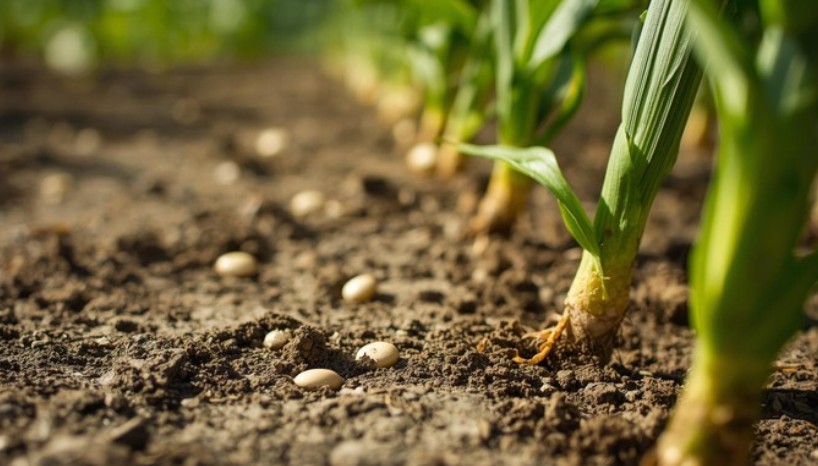
Young sweetcorn plants are vulnerable to slugs and snails, especially in damp spring weather. These pests feed on the tender leaves and can stunt or destroy seedlings overnight.
How To Fix?
-
Apply organic slug pellets or copper tape around the base.
-
Use beer traps or wool pellets to deter them.
-
Water in the morning rather than evening to reduce overnight moisture.
Problem 3: Yellow or Pale Leaves
Why It Happens?
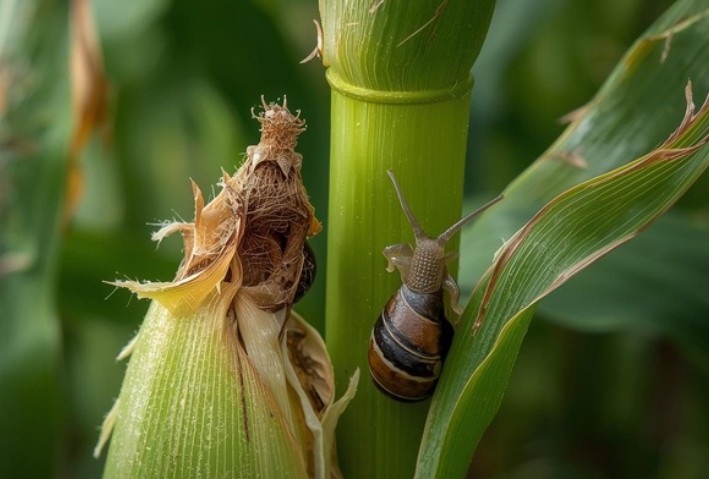
Yellowing leaves in sweetcorn often signal a nitrogen deficiency or inconsistent watering. This is common in poor soils or when the plant cannot absorb nutrients effectively.
How To Fix?
-
Feed with a high-nitrogen fertiliser (such as fish blood and bone or liquid seaweed).
-
Apply mulch to conserve moisture and regulate soil temperature.
-
Ensure even watering, especially in dry spells.
Tip: Check that your soil pH is between 6.0 and 6.8 for optimal nutrient uptake.

Problem 4: Sparse or Missing Kernels on Cobs
Why It Happens?
This is a classic sign of poor pollination. Sweet corn is wind-pollinated, so when grown in single rows or spaced too far apart, pollen doesn’t reach all the silks on each cob.
How To Fix?
-
Plant sweetcorn in square blocks rather than single rows.
-
Shake the flowering tassels lightly during warm, dry days to help pollen fall onto the silks.
-
Avoid overly windy or enclosed spots where air movement is blocked.

Problem 5: Wildlife Damage (Birds and Mammals)
Why It Happens?
Birds like pigeons and crows often peck at developing corn cobs or eat the emerging tassels. Squirrels and mice may also chew stems or nibble on cobs, especially in urban or wooded gardens.
How To Fix?
-
Use bird netting once tassels and silks start to develop.
-
Install scare devices like reflective tape, CDs, or motion-activated deterrents.
-
Harvest promptly when cobs are ready to avoid attracting scavengers.

Problem 6: Stunted or Leafy Plants with No Cobs
Why It Happens?
Too much nitrogen fertiliser can lead to excessive leafy growth and delay or reduce cob production. Overcrowding and lack of sunlight can also contribute.
How To Fix?
-
Avoid high-nitrogen fertilisers after the seedling stage.
-
Thin plants to ensure good air circulation and sunlight penetration.
-
Ensure you’re growing in a sunny location with at least 6–8 hours of sunlight daily.
Quick Reference Table: Problems and Solutions
| Problem |
Likely Cause |
Recommended Fix |
| No germination |
Cold soil, pests |
Start indoors, sow late, use covers |
| Ragged, damaged leaves |
Slugs and snails |
Organic traps, mulch, copper barriers |
| Yellowing leaves |
Nitrogen deficiency, dry soil |
Feed with nitrogen, mulch, water well |
| Sparse kernels on cobs |
Poor pollination |
Block planting, hand-shake tassels |
| Damaged tassels/cobs |
Birds or small mammals |
Netting, deterrents, timely harvesting |
| Lots of leaves, no cobs |
Too much nitrogen, overcrowding |
Reduce feed, ensure sunlight and space |
Conclusion
While sweetcorn isn’t the easiest crop for the UK climate, it’s certainly one of the most rewarding with the right knowledge. By understanding the root cause of problems like poor germination, pest attacks, yellowing leaves, or poor cob development, you can grow healthy, productive plants and learning quick insights on how to grow sweet corn safely is appreciated.
Whether you’re dealing with pollination problems, slugs, or nitrogen deficiencies, each issue has a straightforward fix. Prepare well, observe your plants closely, and adjust your care as the season progresses. A sweetcorn harvest full of juicy cobs is well within your reach.
FAQs: Growing Sweetcorn in the UK
1. When should I plant sweetcorn in the UK?
Late May to early June, when soil is warm and risk of frost is gone.
2. Can I grow sweetcorn in pots?
Yes, but use large, deep containers and space several plants closely for pollination.
3. Why are the cobs small or undeveloped?
Likely due to poor pollination or inadequate watering during flowering.
4. What pests commonly affect sweetcorn?
Slugs, snails, earwigs, birds, and occasionally squirrels.
5. Should I remove side shoots (tillers)?
No, these are harmless and can sometimes produce extra cobs.
Home Diagnostics and Technical Standards Specialist at Hello Mag. She provides high-level Expertise in appliance mechanics and scientific pest management, ensuring every guide follows strict safety protocols and manufacturer standards. As a leading Authority on technical home specs, Kanimozhi audits complex data to provide homeowners with the most accurate, verified, and reliable diagnostic solutions available.
by Kanimozhi BV | Jan 31, 2026 | Garden, Exterior
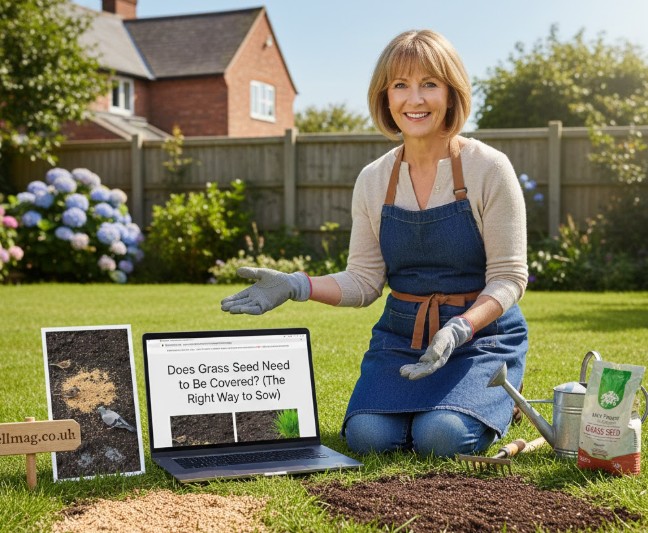
Quick Answer: Does Grass Seed Need to Be Covered With Soil?
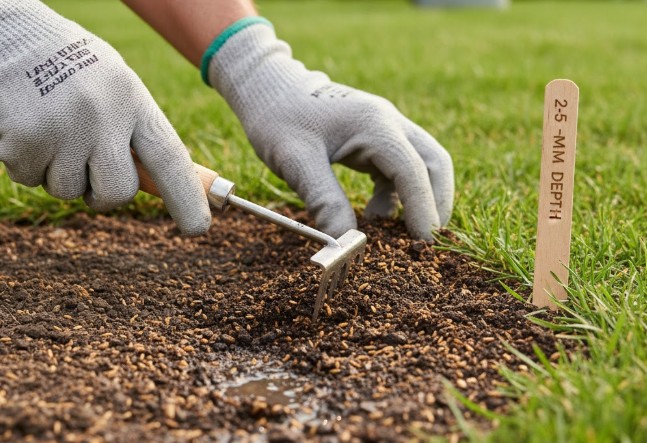
Yes, but only lightly. For the best results, grass seed should be covered with 2–5mm of fine topsoil or compost.
- Why: It improves seed-to-soil contact, retains moisture, and protects the seed from birds and wind.
- The Risk: Burying seed deeper than 5mm can prevent it from germinating as it lacks access to light and oxygen.
Pro Tip: If you aren’t adding soil, use a rake to gently work the seed into the surface for better “soil contact.”
If you’re sowing a new lawn or overseeding patches in your garden, you’re probably wondering: does grass seed need to be covered? It’s a common question among UK homeowners and weekend gardeners — and thankfully, the answer is quite straightforward.
Let’s dive into whether you should cover grass seed with soil, what happens if you don’t, and how to do it the right way.
Should You Cover Grass Seed With Soil?
Yes — lightly covering grass seed with soil is generally recommended if you want stronger, healthier germination. But here’s the catch: it’s all about light coverage, not deep burial.
When you apply a small layer of topsoil or compost (around 2–5mm thick), you:
- Improve seed-to-soil contact, which is vital for germination.
- Help retain moisture, giving seeds the hydration they need.
- Protect seeds from birds and surface runoff (especially in the UK’s rainy climate).
Important: You don’t have to bury the seed, but you do need to press it lightly into the soil or dust a thin layer on top — otherwise, your results might be patchy or poor.
What Happens if You Don’t Cover Grass Seed?
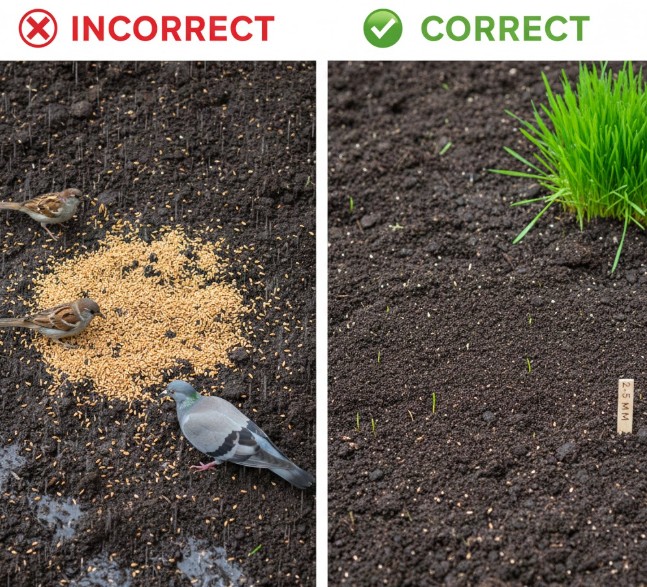
It’s possible to grow grass without covering the seed, but in the UK’s outdoor conditions, that’s often a gamble. Here’s what can go wrong:
- Birds eat the seed — it’s a free buffet when left exposed
- Wind can blow it away, especially in open or elevated gardens
- Rain can wash it off the surface, leaving bare patches
- Seed fails to root properly without enough soil contact
In short: Exposed seed might grow, but not reliably.
What are Best Ways to Cover Grass Seed (Without Overdoing It)?
When it comes to covering grass seed, a light touch goes a long way. You want to protect the seed, not suffocate it.
Here’s a handy comparison table:
| Method |
Coverage Depth |
Best For |
Avoid If |
| Light topsoil dusting |
2–5 mm |
General protection & moisture |
Topsoil is clumpy or compacted |
| Rake-in method |
Mixed into surface |
Overseeding existing lawns |
Soil is too hard or dry |
| Straw or mulch layer |
Very thin layer |
Protection from birds & drying |
Mulch is thick or weed-prone |
Pro Tip: Use seed-starting compost or screened topsoil. Avoid thick layers that block sunlight or hold too much water.
What are the Common Mistakes to Avoid When Covering Grass Seed?
Even a well-intentioned gardener can make these slip-ups:
- Burying seeds too deep — they won’t get enough light or air
- Using heavy topsoil that compacts easily and traps moisture
- Overwatering after sowing, which can wash seed away
- Skipping soil preparation, leading to poor contact and patchy results
Remember, grass seed isn’t like flower bulbs — it needs the right balance of coverage, air, moisture, and warmth.
Final Verdict — Should You Cover Grass Seed or Not?
Yes, you should cover grass seed — but only lightly.
A shallow dusting of soil or a gentle rake-in helps lock in moisture, keeps birds off, and ensures proper seed-to-soil contact for strong germination.
For best results in the UK climate, keep it simple: prep the ground, sow the seed, lightly cover, and keep it moist.
A little covering now can save you from a patchy lawn later.
What are the FAQs About Does Grass Seed Need to Be Covered?
1. Can you grow grass seed on top of soil without covering it?
Yes, but success is less consistent. Moisture evaporates faster and birds are more likely to eat it.
2. How much soil should cover grass seed?
No more than 5 mm — just enough to hold it in place and protect it without blocking sunlight.
3. What’s better — soil or mulch for covering?
A fine layer of topsoil is ideal. Mulch (like straw or paper-based products) can help in large open areas or sloped gardens where bird activity is high.
Home Diagnostics and Technical Standards Specialist at Hello Mag. She provides high-level Expertise in appliance mechanics and scientific pest management, ensuring every guide follows strict safety protocols and manufacturer standards. As a leading Authority on technical home specs, Kanimozhi audits complex data to provide homeowners with the most accurate, verified, and reliable diagnostic solutions available.
by Kanimozhi BV | Jan 30, 2026 | Garden, Exterior
When to Plant Potatoes for Christmas?
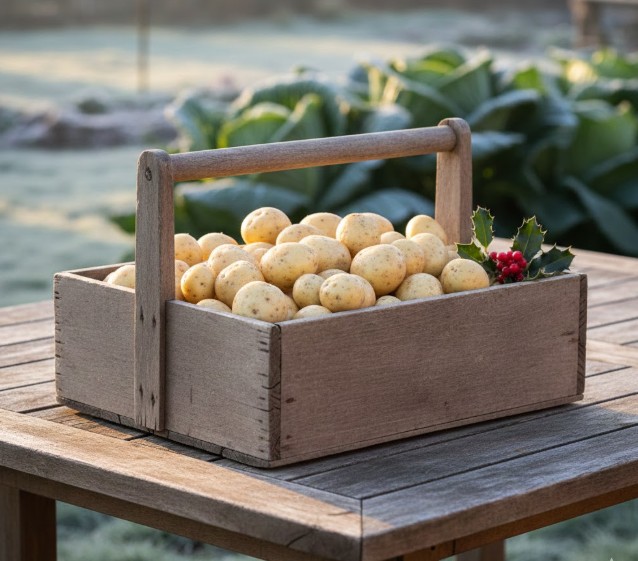
To harvest fresh potatoes for Christmas dinner, you should plant your seed potatoes between late July and late August. This 10–12 week growing window ensures tubers mature before the first hard frosts. If planting in a greenhouse or using containers in Southern England, you can plant as late as early September, provided you offer frost protection.
If you’re dreaming of fresh, homegrown potatoes on your Christmas dinner plate, the question that matters most is: when to plant potatoes for Christmas in the UK?
Getting the timing right is the difference between a festive feast and a failed crop. Whether you’re growing in containers, soil, or under cover, this guide will walk you through the exact window you need to hit — so your potatoes are perfectly mature by the holiday season.
When Should You Plant Potatoes for Christmas in the UK?
You should plant potatoes for Christmas in the UK between late July and August. This window gives the tubers enough time — around 10 to 12 weeks — to develop before winter sets in.
Why this timing works:
- Soil temperature is still warm enough for root growth
- Daylight hours are sufficient for photosynthesis
- You avoid the risk of autumn frosts, which can destroy the plants
If you’re planting in containers or using a greenhouse, you can stretch this to early September in some parts of the UK, particularly in the south. However, the later you plant, the more you’ll need to protect your crop from cold.
What Happens If You Plant Christmas Potatoes Too Early or Too Late?
You might wonder, can you plant earlier to get ahead — or later if you’re running behind? Here’s what happens:
Too Early (June or Early July):
- Potatoes may mature too soon, well before December
- You’ll need to store them for months, risking sprouting or spoilage
Too Late (Mid-September Onwards):
- Plants may not develop full-sized tubers
- They’re highly vulnerable to frost damage
- Low light conditions slow growth significantly
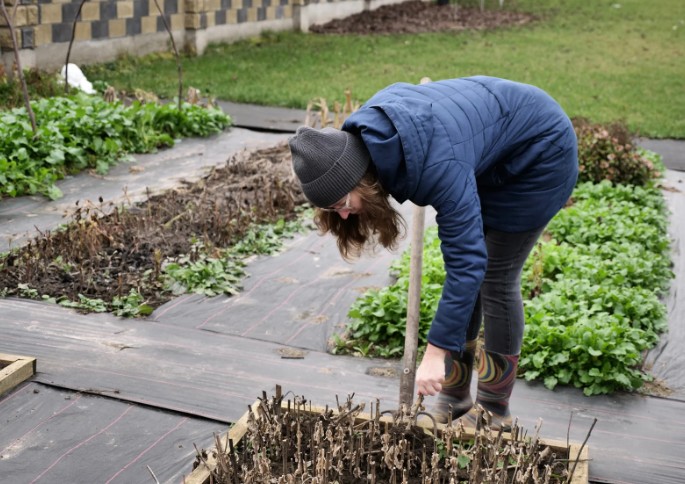
Smart tip: Count backwards 12 weeks from your intended harvest date (e.g. planting in late July for a mid-December harvest).
How Long Do Christmas Potatoes Take to Grow?
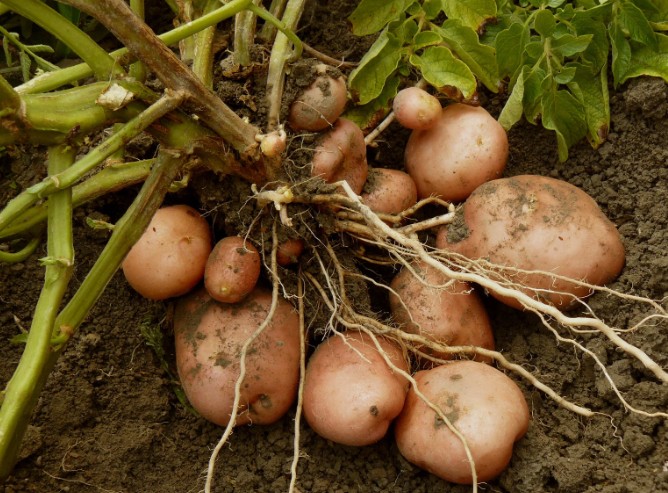
Christmas potatoes — often second cropping varieties — typically take 10 to 12 weeks to mature.
Here’s a rough schedule:
| Planting Date |
Harvest Date |
| 25 July |
Mid October |
| 1 August |
Late October |
| 10 August |
Early November |
| 20 August |
Mid November |
| 1 September* |
Early December* |
Note: September planting is only viable in greenhouses or warm southern gardens with protection.
This schedule ensures you’re harvesting just in time for Christmas — with enough wiggle room to allow for storage or late maturing.
What Are the Ideal Conditions During the Planting Window?
Late July through August offers a sweet spot for growing conditions in the UK:
- Soil and air temperatures are high enough to encourage rapid sprouting
- Sunlight hours remain productive for leaf and root development
- Rainfall is usually manageable, but consistent watering is key in dry spells
If you’re planting in grow bags or containers, place them in a sunny, sheltered spot and plan ahead to move them indoors as cold nights return.
What are Month-by-Month Potato Planting Guide?
Here’s a quick guide to know what’s safe and what’s not:
| Month |
Can You Plant Potatoes? |
Best For |
Notes |
| July (Late) |
Yes |
Outdoor, containers |
Start chitting early to gain a head start |
| August |
Yes |
All methods |
Best month for most UK gardeners |
| September |
With protection |
Greenhouse only |
Use fleece or tunnel to avoid frost |
| October |
Not recommended |
– |
Too cold, not enough light |
How to Plan Your Christmas Potato Crop Perfectly?
Here’s a quick checklist to help you get it right:
- Start chitting seed potatoes by early July
- Plant between 25 July – 31 August depending on your region
- Use second cropping varieties like Charlotte or Maris Peer
- Monitor forecasts and prepare fleece or move containers indoors
- Harvest in early to mid-December, depending on your goal
Quick Reference Planting Schedule by UK Region
| UK Region |
Outdoor Planting Time |
Greenhouse Planting Time |
| Southern England |
Late July – mid August |
August – early September |
| Midlands/Wales |
Late July – early August |
August |
| Northern England |
July – early August |
Late July – August |
| Scotland/N. Ireland |
Mid – late July |
Late July – early August |
Final Thoughts: Why Timing is the Key to Christmas Potatoes?
Growing potatoes for Christmas is entirely achievable in the UK — but only if you get the timing right. The sweet spot is between late July and the end of August, when conditions are ideal and tubers have time to mature. Avoid planting too early, or you’ll harvest long before Christmas. Plant too late, and frost will ruin your crop.
If you stick to the right window and protect your plants when needed, your reward will be fresh, delicious potatoes that add a personal, homegrown touch to your festive meal.
What are the Frequently Asked Questions (FAQ) About When to Plant Potatoes for Christmas in the UK?
1. When should I plant potatoes for Christmas in the UK?
You should plant potatoes for Christmas between late July and August. Early September is still acceptable if using containers or greenhouses with frost protection.
2. Is it too late to plant Christmas potatoes in September?
It depends. You can plant in early September in southern UK or with a greenhouse, but planting after that is not advised.
3. Can I plant potatoes in October for Christmas?
No. October is too late for successful tuber development in UK conditions — daylight is low, and cold nights can kill your crop.
4. How long do potatoes for Christmas take to grow?
Around 10 to 12 weeks. Count backwards from your desired harvest date — typically mid to late December.
5. What type of potatoes should I plant for Christmas?
Use second cropping seed potatoes like Charlotte, Maris Peer, or Nicola — these varieties are bred to perform well in late summer planting.
Home Diagnostics and Technical Standards Specialist at Hello Mag. She provides high-level Expertise in appliance mechanics and scientific pest management, ensuring every guide follows strict safety protocols and manufacturer standards. As a leading Authority on technical home specs, Kanimozhi audits complex data to provide homeowners with the most accurate, verified, and reliable diagnostic solutions available.